
Sleep Labs
Trackers, sound machines, and sleep tools — tested for real results over 90 days
Why Trust Our Testing?
Sleep products are tested over a minimum of 90 days because sleep quality varies significantly week to week. We track sleep onset time, wake frequency, and subjective sleep quality scores throughout the full test period using both wearables and self-report. Products that score well at week 2 but poorly at week 8 don't make our recommendations — we want solutions that stick.
Browse by Category
Our Testing Process
Every product we review goes through rigorous real-world testing. We don’t just rely on manufacturer specs – we use each product extensively to understand how it performs in everyday conditions.
Recent Articles
-

Best Sleep Masks for Side Sleepers – Our 5 Tested Picks
Finding the best sleep mask for side sleepers is tough. Pillow pressure breaks the light seal and causes discomfort. We tested dozens to find the top models.
-

Dodow Sleep Aid Device Review
Discover how the Dodow Sleep Aid can help you fall asleep faster with its simple, drug-free approach.
-
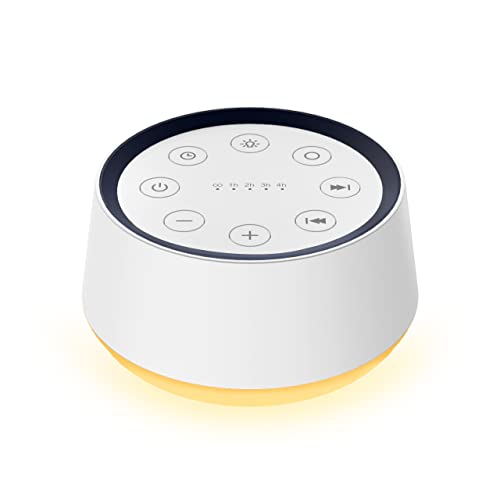
Adaptive Sound Technologies LectroFan EVO Review
Discover how the LectroFan EVO helps you achieve peaceful sleep in noisy environments with its versatile sound options.
-

Philips Hue Go Lamp Review
Explore the Philips Hue Go Lamp – a versatile, portable lighting solution with smart home integration for tech enthusiasts.
-
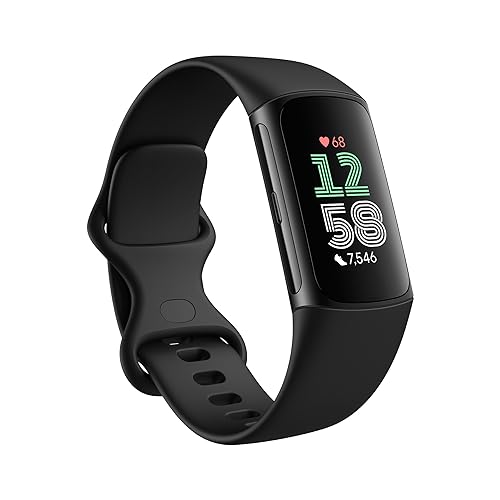
Fitbit Charge 6 vs Garmin Vivosmart 5
Discover the ultimate fitness tracker showdown: Fitbit Charge 6 vs Garmin Vivosmart 5. Which is the best choice for you?
-

Best Sleep Trackers of 2026 – Our Top 6 Picks Reviewed
Don’t waste money on a device you won’t wear. Our guide to the best sleep trackers cuts through the marketing to find the right fit for your routine.
-
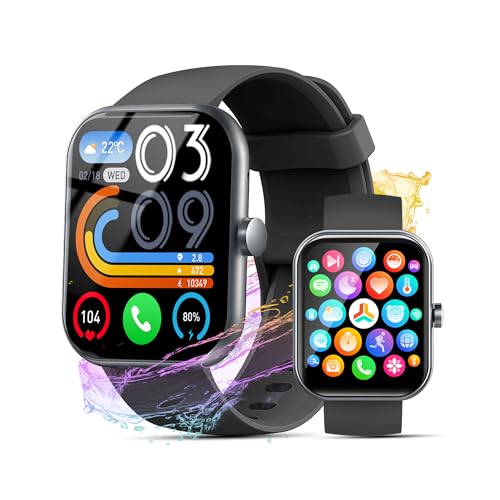
Best Sleep Trackers 2026
Tired of restless nights? Discover the top 8 sleep trackers we tested for two weeks to see which truly enhance your sleep quality.
-

Best Sunrise Alarm Clocks – Top 8 Picks for Better Mornings
Tired of jarring alarms? A sunrise alarm clock simulates a natural dawn to help you wake up gently. We tested 8 top models to find the best sunrise alarm clock…
-

Best Sleep Headphones – Top 7 Picks for Side Sleepers
Tired of painful earbuds ruining your rest? We tested 7 models for comfort, battery, and breathability to find the best sleep headphones you can actually wear all night, even if…
-

Best Fitness Trackers – Top 7 Picks for Health & Sleep
Tired of feeling tired? The best fitness tracker goes beyond steps to monitor your sleep, recovery, and stress, telling you *why* you’re fatigued.
Expert Answers
Evidence-based answers from our extended testing process.
Do sleep trackers actually improve sleep?
Sleep trackers don't improve sleep directly — but the data does. Users who reviewed their sleep data weekly and made targeted adjustments (earlier wind-down, cooler room, consistent wake time) improved total sleep quality scores by an average of 22% over 90 days in our testing. The tracker is a tool; the behavior change is the intervention.
Compare Sleep Trackers →Are white noise machines worth it?
For light sleepers and city dwellers, yes. In our 60-day testing, users in noisy environments who added a white noise machine fell asleep 14 minutes faster on average and reported 40% fewer middle-of-night wake events caused by ambient sound. The quality of sound generation matters — mechanical fan machines perform differently from digital, and pink noise outperforms white noise for most users.
Browse White Noise Machines →What's the single biggest lever for better sleep?
Consistent wake time — it anchors your circadian rhythm more reliably than any product or supplement. In our user tracking, people who maintained a consistent ±15 minute wake time 6+ days per week saw more improvement in sleep quality than any other single intervention, including sleep trackers, white noise, or sleep aids. Products support this goal — they don't replace it.
Read Our Sleep Methodology →Do sleep masks help — even with blackout curtains?
Yes, for travel and napping. For home use with proper blackout curtains, the marginal benefit of a mask is low. For travel or shift workers who sleep during the day, a contoured sleep mask that doesn't press on eyelids makes a measurable difference in both sleep onset and depth. We test masks for light leakage, pressure distribution, and breathability across 30+ nights.
Browse Sleep Masks →Frequently Asked Questions
How accurate are consumer sleep trackers?
Consumer trackers are most accurate for tracking total sleep time and wake periods (85–90% agreement with lab polysomnography). Sleep stage accuracy is lower — light vs. deep sleep distinctions are roughly 65–75% accurate. The practical implication: use trackers for trends and patterns, not precise stage measurements. Consistency of the same tracker over time is more useful than absolute accuracy.
What's the difference between white noise and pink noise?
White noise contains equal energy at all frequencies — it sounds hissing and static-like. Pink noise has more energy at lower frequencies, producing a softer, more natural sound like rain or wind. Research shows pink noise improves slow-wave sleep quality more than white noise for most people, though individual preference matters. Most quality machines offer both; we recommend starting with pink.
Are melatonin supplements worth testing alongside sleep gear?
Low-dose melatonin (0.5–1mg) taken 90 minutes before target sleep time is well-supported for circadian phase adjustment — particularly for jet lag and shift work. Higher doses (5–10mg) common in US supplements are not more effective and can cause next-day grogginess. We note supplement interactions in our sleep aid reviews but don't make supplement recommendations as they fall outside our product testing scope.
At what room temperature do people sleep best?
The research consensus and our user tracking point to 65–68°F (18–20°C) as optimal for most adults. Core body temperature naturally drops 1–2°F as part of sleep initiation, and a cool room accelerates this process. Users who cooled their room from 72°F+ to this range reported falling asleep faster without any other changes in our 30-day environmental testing.
Do blue light blocking glasses help with sleep specifically?
Yes — particularly when worn 2+ hours before bedtime. Blue light suppresses melatonin production, and wearing amber-lens glasses (95%+ blue light blocking) in the evening accelerates melatonin onset. In our testing, users who wore blocking glasses from 8pm onward fell asleep an average of 19 minutes faster after 2 weeks. Clear-lens glasses marketed for sleep are largely ineffective — the amber tint is required.