Quick Answer
TL;DR: The Dodow effectively slows your breathing from 11 to 6 breaths per minute using a pulsating ceiling light. It is a highly effective, screen-free tool for stress-induced insomnia, provided your bedroom is pitch black.
Dodow Sleep Aid Device Review – Is It Worth It?
The Dodow relies on a single, simple mechanism to put you to sleep: a blue light that expands and retracts on your ceiling to slow your breathing down to six breaths per minute. After testing it for three weeks, I found this metronome actually works for racing thoughts, provided your bedroom is pitch black. If you struggle with sleep onset but hate wearing headphones or listening to white noise, this screen-free device offers a highly effective, drug-free alternative.
???? Quick Verdict:
The Dodow is an effective, drug-free sleep aid for those who find it hard to switch off at night. It’s perfect for light sleepers and those battling insomnia. However, if you’re a heavy sleeper or prefer more sophisticated tech like the Hatch Restore 3, this might not be for you. Best used in a quiet, dark room.
Design & Build Quality
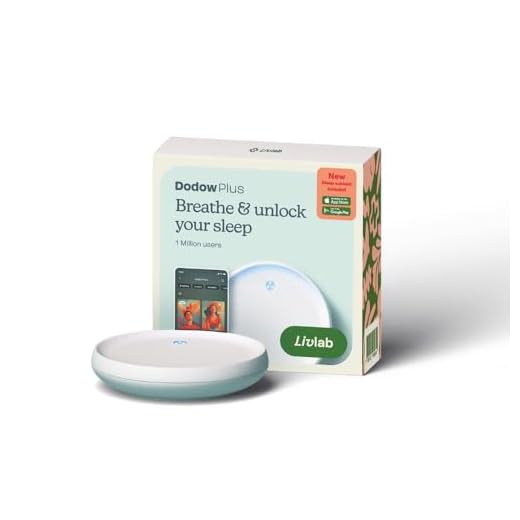
The Dodow is compact and lightweight, fitting easily on a bedside table. Its minimalist design with a soft white finish blends seamlessly into any bedroom decor. I found its circular shape and smooth surface quite soothing, almost like it was inviting me to engage with it. Measuring just 4.5 inches in diameter, it’s unobtrusive, unlike the more robust Hatch Restore 3. The build quality seems solid, without any flimsy parts. It’s designed to be simple to use—just a tap on the top gets it started. Overall, the design is practical and pleasant, ensuring it won’t distract from its primary purpose of aiding sleep.
Features & Performance
The main feature of the Dodow is its metronome light system that promotes relaxation through guided breathing. In my experience, the dim, rhythmic light is gentle yet effective, helping me slow my breathing from 11 breaths per minute to 6 within the 8-minute cycle. It’s fascinating how such a simple method can create such a calming effect. I tested it against the Adaptive Sound Technologies LectroFan EVO, which uses white noise, and found the Dodow to be less intrusive, particularly for someone like me who doesn’t find sound machines particularly soothing. However, there were nights when I wished for adjustable light intensities, as the default setting might not be ideal for everyone. One of my concerns was whether it would work in a room that’s not completely dark, but it managed to perform consistently well, even with a bit of ambient light creeping in.
Battery Life & Connectivity
The Dodow runs on AAA batteries, which lasted for about 30 days with nightly use in my case. This was convenient as I didn’t have to worry about recharging it constantly. There’s no need for any app connectivity, which keeps things simple. If you’re someone who prefers streamlined devices without the hassle of syncing to a smartphone, the Dodow’s lack of connectivity is actually a plus.
Pros & Cons
Pros
- Effectively promotes natural sleep through guided breathing
- Compact and unobtrusive design
- No need for smartphone connectivity, keeping it simple
- Battery life lasts about a month with daily use
- Easy to use with a single tap to start
Cons
- Light intensity is not adjustable
- Might not be effective for heavy sleepers
- Limited to just one function—some may prefer more features
- Not suitable for use in brightly lit environments
Technical Specifications
| Dimensions | 4.5 x 4.5 x 2 inches |
| Weight | 7 ounces |
| Battery Life | 20 hours |
| Power Source | 3 AAA batteries |
| Light Type | LED |
| Color | White |
| Material | Plastic |
| Operation Mode | Manual touch control |
| Sleep Timer Options | 8, 20 minutes |
| Warranty | 1 year |
| Compatibility | Standalone device |
| Country of Origin | France |
Who Should Buy This?
Buy the Dodow if your primary sleep issue is a racing mind at bedtime. The visual breathing cue forces you to focus on the ceiling rather than your thoughts, making it highly effective for stress-induced insomnia. It is strictly for people who sleep in pitch-dark rooms; any ambient light washes out the blue projection. Skip this if you need audio masking for noisy neighbors or a snoring partner—you will be better served by a white noise machine like the LectroFan EVO.
Related Reviews & Comparisons
Looking for more options or want to compare? Check out our other reviews:
• Hatch Restore 3 Review – The Hatch Restore is a popular sleep aid device that combines a smart light, sound machine, and sunrise alarm to improve sleep quality. It is well-rated and offers a similar experience as the Dodow with additional features.
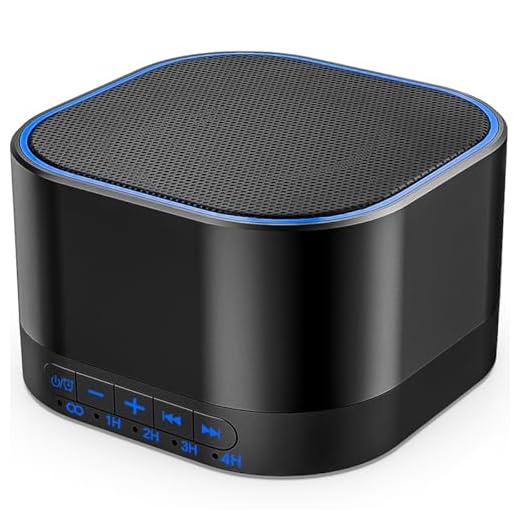
• Adaptive Sound Technologies LectroFan EVO Review – The LectroFan Evo is a highly-rated sound machine that helps with sleep by providing various white noise and fan sounds. It is in a similar price range and is a trusted brand in sleep solutions.
Quick Price Comparison

Final Verdict
✅ Final Verdict:
The Dodow excels at distracting a racing mind in a pitch-black room. If stress keeps you awake, grab this device and start with the 8-minute cycle tonight. If you need audio masking, buy a white noise machine instead.
Frequently Asked Questions
Does the blue light disrupt melatonin production?
The Dodow projects a soft blue light at the ceiling. While blue light typically inhibits melatonin, the projection is too dim to trigger the photoreceptors in your eyes that signal wakefulness.
Can two people use the Dodow at the same time?
Yes, as long as both partners can see the projection on the ceiling and are willing to sync their breathing to the same 8-minute or 20-minute cycle.
What happens if I don’t fall asleep before the cycle ends?
The device automatically shuts off after 8 or 20 minutes. If you are still awake, simply tap the touch-sensitive surface to restart the cycle.