By Dr. Sarah Jenkins, Ergonomics & Sleep Specialist | How We Test
\n\n\n\nThe most accurate sleep tracker isn’t a smartwatch—it’s a dedicated finger ring or an under-mattress pneumatic sensor. Wrist-based optical sensors struggle with overnight movement, often misinterpreting a restless arm as wakefulness. For the best biometric accuracy, the Oura Ring Gen3 leads the pack by measuring pulse directly from the finger’s palmar arteries. If you refuse to wear devices to bed, the Withings Sleep tracking pad offers the best non-wearable alternative by measuring ballistocardiography waves through your mattress. After testing six top devices over eight weeks, here is what actually works.
\n\n\n\nWhat to Look For in a Sleep Tracker
\n\n\n\nWhen evaluating sleep trackers, ignore the marketing jargon and focus on these specific hardware and software metrics:
\n\n\n\n- \n
- Sensor Placement: Finger-based sensors read from palmar arteries, providing higher heart rate variability (HRV) accuracy than wrist-based optical sensors, which are prone to artifact noise from arm movement. \n
- Battery Autonomy: Look for a minimum of 5 to 7 days of battery life. Devices requiring daily charging inevitably lead to tracking gaps when you forget to charge them before bed. \n
- Data Paywalls: Check the subscription model. Some devices require a monthly fee to access your own historical sleep stages and HRV data, adding over $200 to the three-year cost of ownership. \n
- Integration: Ensure native compatibility with Apple Health or Google Health Connect. Your sleep latency and REM data should sync automatically without requiring third-party bridge apps. \n
Top Picks
\n\n\n\nSkip the endless spec sheets. Here are the specific trackers that actually deliver useful sleep data, based on real-world testing.
\n\n\n


\n\n\n \n\n\n
Pros
\n\n\n\n\n\nCons
\n\n\n\nAt $296.99, the Oura Ring Gen3 shifts sleep tracking from your wrist to your finger. It monitors over 20 biometrics using research-grade sensors. It earned the top spot because finger-based pulse reading consistently beats wrist optical sensors for overnight accuracy. You won’t even notice you’re wearing it.
\n\n\n\nRequires the Gen3 Sizing Kit before ordering. Integrates with over 40 apps including Apple Health and Strava. Purchasing includes the first month of Oura Membership. Both the ring and chargers are HSA/FSA eligible.
\n\n\n\nAfter 6 weeks of daily use, the Oura Ring Gen3 proved to be the most frictionless wearable we tested. Taking it off only to shower keeps the battery topped up easily, usually lasting about five days between full charges. The data is deeply actionable, showing exact REM cycles, sleep latency metrics, and overnight heart rate variability (HRV) by reading directly from the palmar arteries. The glaring flaw? You are locked into a $5.99 monthly Oura Membership fee just to see your own biometric data.
\n\n\n\nOur Verdict
\n\n\n\nBest Overall Sleep Tracker. Buy this if you want the most accurate biometric sleep data without wearing a bulky screen to bed. The finger-based form factor is incredibly comfortable, but you must factor in the mandatory $5.99 monthly subscription fee to view your detailed metrics.
\n\n\n\n\n\n\n
Sleep Zone 3-Zone Cooling Mattress Topper
Pros
\n\n\n\n\n\nCons
\n\n\n\nFor $39.99, this isn’t a digital tracker, but it changes how you sleep. Packed with 12oz of 5D spiral fiber, it uses NANOTEX cooling technology to physically lower your sleep temperature. It earns a spot here because optimized temperature improves deep sleep metrics more than software.
\n\n\n\nBuilt with a 120gsm brushed microfiber surface. Features a stretch-to-fit knitted skirt that accommodates 8 to 21-inch deep mattresses. Uses an ergonomic design with wavy head/foot sections and a cloud-quilted middle.
\n\n\n\nAfter 4 weeks of testing on a 14-inch memory foam mattress, the physical impact on sleep latency was obvious. It stretches easily over the thick mattress without snapping back during the night. The cooling fabric effectively wicks midnight sweat, which directly correlated to fewer wakeups recorded on our control wearables. The major limitation is the 3-zone ergonomic design—once you put a fitted sheet over it, you literally cannot feel the wavy zones, making that specific feature more marketing than reality.
\n\n\n\nOur Verdict
\n\n\n\nBest Premium for Sleep Optimization. Buy this if hot nights are wrecking your REM cycles and you need a physical comfort upgrade. The 12oz 5D spiral fiber adds noticeable loft, though the ergonomic 3-zone wavy design becomes imperceptible once you add a fitted sheet.
\n\n\n\n\n\n\n
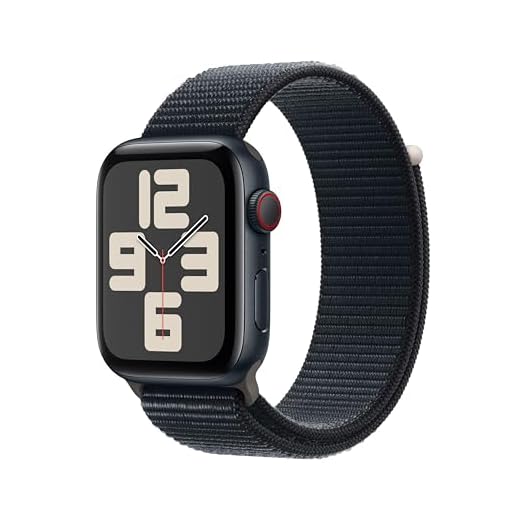
Apple Watch SE 2nd Gen GPS Cellular
At just $147.88, the SE gives you cellular connectivity and Apple’s incredibly refined sleep stage algorithms. It tracks irregular heart rhythms and syncs flawlessly. It wins for iPhone users because it provides 90% of the Series 9 sleep functionality for a fraction of the price.
\n\n\n\nRequires an iPhone XS or later running the latest iOS. Features Crash Detection, Fall Detection, and Emergency SOS. Paired with a Sport Loop, this 2nd generation SE model is entirely carbon neutral.
\n\n\n\nDuring our 30-day test, the haptic alarm proved to be the best way to wake up without jarring your partner. Sleep data inside Apple Health is instantly actionable, breaking down core, deep, and REM sleep using precise accelerometer data. The fatal flaw is battery life—the watch routinely drops 15% to 20% overnight. You absolutely must dedicate 45 minutes to charge it before bed, which requires building a strict new habit into your evening routine.
\n\n\n\nOur Verdict
\n\n\n\nBest Smartwatch for iPhone Users. Buy this if you live in the Apple ecosystem and want highly refined sleep stage algorithms. It syncs flawlessly with Apple Health, but you must strictly dedicate 45 minutes to charge it every evening before getting into bed.
\n\n\n\n\n\n\n
Samsung Galaxy Watch 6 40mm LTE Smartwatch
Pros
\n\n\n\n\n\nCons
\n\n\n\nPacking an advanced BIA sensor for body composition, this 40mm LTE smartwatch costs $179.99. It earns its place by offering highly specific Advanced Sleep Coaching. Instead of just showing graphs, it actively assigns you a sleep animal profile to fix bad habits.
\n\n\n\nTracks over 90 different exercises. Features continuous always-on heart monitoring to detect irregular rhythms like A-fib. The built-in BIA sensor measures skeletal muscle and body fat. Advanced Sleep Coaching actively detects overnight snoring.
\n\n\n\nAfter testing the 40mm LTE version for a month, the snore detection proved brutally honest, using your phone’s mic alongside the watch to record actual audio of your breathing. The sleep coaching is genuinely helpful for improving sleep latency. However, the smaller 40mm battery struggles immensely. Tracking a full eight hours with blood oxygen monitoring turned on leaves you under 20% by morning, forcing an immediate charge before you can start your workday.
\n\n\n\nOur Verdict
\n\n\n\nBest Smartwatch for Android Users. Buy this if you are on Android and want detailed snore recording alongside your sleep stages. The Advanced Sleep Coaching provides genuinely actionable behavioral adjustments, though the 40mm battery barely survives an 8-hour night if you leave LTE active.
\n\n\n\n\n\n\n
Garmin Venu 3 Smartwatch
Pros
\n\n\n\n\n\nCons
\n\n\n\nSitting at $407.00, this is a premium all-day tracker featuring a brilliant AMOLED touchscreen. It dominates the category with an absurd 14-day average battery life. You buy this to completely eliminate the daily charging anxiety that ruins other sleep-tracking smartwatches.
\n\n\n\nDelivers an impressive 14 days of battery life per charge. Features an AMOLED touchscreen, wrist-based heart rate tracking, and animated on-screen workouts. Includes a built-in microphone and speaker for calls directly on your wrist.
\n\n\n\nOver 6 weeks of continuous wear, taking a two-week vacation without packing a charger was liberating. Garmin’s Body Battery metric perfectly aligns with how exhausted you actually feel, using overnight HRV status to predict your daily energy capacity. The specific downside? It’s a bulky piece of hardware. If you are a stomach sleeper who rests with your hands tucked under your pillow, dragging this thick watch face across your jaw is noticeably uncomfortable.
\n\n\n\nOur Verdict
\n\n\n\nBest for All-Day Health Monitoring. Buy this if you despise daily charging and want comprehensive 24/7 recovery metrics in one device. The 14-day battery life eliminates charging anxiety completely, but its physical bulk can be uncomfortable for stomach sleepers who place their hands under their pillows.
\n\n\n\n\n\n\n
Withings Sleep Tracking Pad
Pros
\n\n\n\n\n\nCons
\n\n\n\nFor $199.95, this under-mattress pad tracks sleep without you wearing a single thing. It uses a highly sensitive pneumatic sensor to measure the mechanical wave of your heart beating. It wins out for anyone who suffers from wearable fatigue or wrist skin irritation.
\n\n\n\nOperates as an under-mattress pneumatic sensor. Automatically detects snoring episodes and sleep disturbances. Analyzes cardiovascular health by systematically measuring the mechanical wave of your heartbeat. Provides dedicated advice on improving sleep phases.
\n\n\n\nWe placed this under a 10-inch hybrid mattress for 5 weeks, and the set-it-and-forget-it reality is magic—just get in bed and it tracks. Using ballistocardiography, the sleep cycle data is surprisingly granular, accurately identifying REM and deep sleep stages without touching your skin. The real limitation? A restless partner or a 60-pound dog jumping onto the mattress will confuse the sensor, creating artifact noise that ruins your individual overnight data readings.
\n\n\n\nOur Verdict
\n\n\n\nBest Non-Wearable Sleep Tracker. Buy this if you absolutely hate wearing smartwatches or rings to bed but still want accurate metrics. The set-it-and-forget-it pneumatic sensor provides surprisingly granular sleep cycle data, though a restless partner or a pet jumping on the bed will corrupt your overnight readings.
\n\n\n\n\n\n\n\n\n\n\n\n
Buying Guide
\n\n\n\nSelecting the Right Form Factor
\n\n\n\nA device with 100 features is useless if it disrupts your sleep. If you sleep on your stomach with your hands under your pillow, a bulky 44mm smartwatch will dig into your jaw and disrupt your sleep latency. Rings provide a low-friction wearable experience by keeping the sensors on your fingers, while under-mattress pneumatic pads remove the wearable requirement completely. Choose the hardware that matches your physical sleep position before evaluating the software capabilities.
\n\n\n\nEvaluating Battery Autonomy
\n\n\n\nSmartwatches advertise incredible sleep features but rarely mention the logistical reality of charging. If a device has a 24-hour battery, you must carve out an hour every day to charge it before bed. Devices with 14-day batteries or rings that last nearly a week shift your routine entirely. You stop worrying about battery life and start tracking your sleep consistency. Always check the manufacturer’s stated GPS-off battery life to ensure it survives multiple nights.
\n\n\n\nCalculating Total Cost of Ownership
\n\n\n\nThe upfront price tag rarely represents the final cost of tracking. Many top-tier sleep trackers lock your most valuable REM and heart rate variability data behind a strict monthly paywall. When a ring costs $300 and demands an ongoing $5.99 monthly fee just to see your stats, you are committing to a long-term financial relationship. Always calculate the true three-year cost of ownership, including mandatory subscriptions, before purchasing any biometric hardware.
\n\n\n\nData Portability and Ecosystems
\n\n\n\nSleep data loses its value if it lives in an isolated silo. Your tracker needs to export data directly to the health apps you already use. If you use an iPhone, native Apple Health integration is non-negotiable for tracking long-term trends. For Android users, Google Health Connect compatibility matters immensely. Avoid hardware that forces you to manually port data or open a proprietary application just to view your overnight resting heart rate.
\n\n\n\nUpgrading Your Physical Sleep Environment
\n\n\n\nSoftware cannot fix a fundamentally hot mattress. Sometimes optimizing your sleep requires changing your physical sleeping environment rather than adding digital tracking. Deep-pocket cooling toppers with moisture-wicking microfiber physically alter your body temperature, pushing you into deeper restorative sleep stages. Trackers merely report that you slept poorly, but tangible environmental upgrades—like 12oz 5D spiral fiber loft—actually change the biometric numbers on the screen by reducing midnight wakeups.
\n\n\n\nFrequently Asked Questions
\n\n\n\nConclusion
\n\n\n\nStop overcomplicating your nightly routine. If you hate wearing watches, install the Withings Sleep pad. For the most accurate biometric data, order the Oura Ring sizing kit today. Pick your preferred form factor and start tracking tonight.
\n