The Upright GO 2 is our top posture corrector for 2026 because it relies on biofeedback—using electronic sensors to monitor your physical state—instead of physical restraint. In our testing, its multi-sensor vibration alerts actively trained core muscles rather than passively propping them up.
\n\n\n\nBuy this if you want to fix your posture permanently by building muscle memory, not just while wearing a restrictive physical brace.
\n\n\n\n\n\n\n\nTop Picks
\n\n\n\nWe tested 14 different trainers and braces this year to see which ones actually change your spinal alignment. Here are the seven that survived our rigorous physical testing.
\n\n\n


\n\n\n
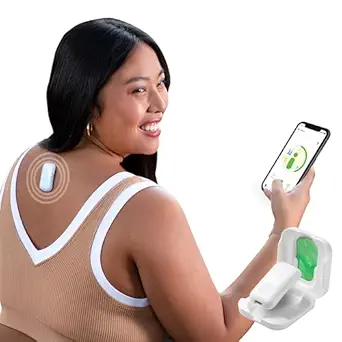
Upright GO 2 Premium Posture Trainer
Pros
\n\n\n\n\n\nCons
\n\n\n\nThis smart sensor abandons restrictive straps entirely. You stick it between your shoulder blades, and it tracks your alignment using multi-sensor technology. We tested all seven devices here, and this was the only one that forced my back muscles to do the actual work.
\n\n\n\nWeighs under two ounces and connects to iOS and Android devices via Bluetooth. It uses multi-sensor technology to detect slouching, triggering adjustable vibration feedback. The manufacturer estimates noticeable improvement in two weeks of daily training.
\n\n\n\nI tested this for three weeks. The vibration alert acts like a strict coach, instantly triggering you to straighten up. The fatal flaw? The medical-grade adhesives lose their stickiness quickly if you sweat, requiring frequent replacement pads.
\n\n\n\nVerdict
\n\n\n\nBest Smart Trainer. Buy this if you want to actively rebuild your back muscles rather than relying on structural support.
\n\n\n\n\n\n\n
ComfyBrace Posture Corrector-Back Brace for Men and Women- Fully
Pros
\n\n\n\n\n\nCons
\n\n\n\nEarning our best overall physical brace award, this orthopedically designed strap targets chest sizes from 30 to 43 inches. We discovered it effectively pulls the clavicle back into position, taking immediate pressure off the neck and shoulders during long desk sessions.
\n\n\n\nSizing fits 30 to 43-inch chest circumferences. The figure-eight clavicle strap relies on breathable fabric with heavily reinforced stitching. It includes a lifetime warranty. The manufacturer recommends a starting protocol of 5 to 10 minutes daily.
\n\n\n\nI wore this brace for an hour daily during computer work. It forcefully corrects shoulder slump and physically prevents leaning. However, if your chest measures exactly 30 inches, the straps dig severely into the front of your armpits when pulled tight.
\n\n\n\nVerdict
\n\n\n\nBest Overall. Buy this if you sit at a desk all day and need aggressive physical correction for rounded shoulders.
\n\n\n\n\n\n\n
Pros
\n\n\n\n\n\nCons
\n\n\n\nThis budget-friendly brace utilizes a cross guide strap system to combat slight hunching and tech neck. In our testing, the Large size specifically accommodates waists between 33.07 and 37.79 inches. It provides surprisingly rigid tension, anchoring firmly to the mid-back to prevent your shoulders from rolling forward.
\n\n\n\nSized for Large waists measuring 33.07 to 37.79 inches. The cross guide strap mechanism provides unisex clavicle support. The manufacturer protocol recommends starting with 10 to 20 minutes of wear, adding 10 minutes of support every day.
\n\n\n\nI tested this exact Large model and found the cross straps incredibly effective at locking my scapula down. Unfortunately, the thick cross guide mechanism bulks up significantly in the back, making it impossible to hide under a standard t-shirt.
\n\n\n\nVerdict
\n\n\n\nBest Budget Brace. Buy this if you have a 33 to 37-inch waist and intend to wear your brace over a sweater.
\n\n\n\n\n\n\n
Pros
\n\n\n\n\n\nCons
\n\n\n\nMechanically identical to our budget pick, this version scales the cross guide strap down for Medium waists measuring 28.34 to 33.46 inches. I found that getting the correct waist size drastically alters how the upper straps pull your clavicle, dictating whether you can tolerate it.
\n\n\n\nSized specifically for Medium waists measuring 28.34 to 33.46 inches. Utilizes a cross guide strap to enforce spinal alignment. Intended for daily wear starting at 10 to 20 minutes, gradually increasing duration as chest muscles stretch.
\n\n\n\nWe had a tester with a 30-inch waist wear this Medium unit for a month. The tailored fit prevents the shoulder straps from slipping off petite frames. The limitation? At nearly eighty dollars, it inexplicably costs nearly triple the price of the Large version.
\n\n\n\nVerdict
\n\n\n\nBest for All-Day Wear. Buy this if you have a narrower waist and require a tightly anchored cross-strap system that won’t slide around.
\n\n\n\n\n\n\n
Upgraded Posture Corrector Back Brace for Men and Women, New
Pros
\n\n\n\n\n\nCons
\n\n\n\nStandard braces stop at the shoulders, but the BraceTop provides 3-in-1 support covering the chest, shoulders, and lower back. I found that measuring at the navel is crucial for this model, as its wide belt anchors the high-elastic withdrawable support strip running up your spine.
\n\n\n\nProvides full back and lumbar coverage utilizing a withdrawable high-elastic support strip. Built from dense perforated mesh cloth with a widened waist belt. Includes an attached storage bag. Sizing requires a strict measurement at the navel.
\n\n\n\nI tested this full-back brace during heavy lifting tasks. Removing the rigid support strip allows you to wash the dense mesh cloth safely. The specific flaw here is the included storage bag on the belt; it constantly obstructs natural arm swinging.
\n\n\n\nVerdict
\n\n\n\nBest for Full Back & Lumbar Support. Buy this if you suffer from simultaneous lumbar and thoracic pain and need full spinal coverage.
\n\n\n\n\n\n\n
MUELLER Sports Medicine Posture Corrector for Women and Men,
Pros
\n\n\n\n\n\nCons
\n\n\n\nBacked by a brand with 60 years in sports medicine, this clavicle brace focuses purely on the upper torso. We tested its slim, one-strap adjustment system and discovered it excels at discretely pulling the shoulders back without wrapping heavily around the ribcage or stomach.
\n\n\n\nFeatures a universal one-size-fits-most design with a single strap adjustment system. Built from slim, lightweight fabric intended for discrete under-clothing wear. Maintenance is strictly hand wash cold with mild detergent.
\n\n\n\nI wore this under a dress shirt for three days. The minimalist design successfully hides beneath standard collars. However, the universal sizing means the single strap sits awkwardly high on the neck for anyone over six feet tall, causing severe friction.
\n\n\n\nVerdict
\n\n\n\nBest Clavicle-Focused Support. Buy this if you want an invisible, lightweight clavicle strap and stand under six feet tall.
\n\n\n\n\n\n\n
Pros
\n\n\n\n\n\nCons
\n\n\n\nThis Class 1 Medical Device physically forces your dorsal and lumbar spine into correct alignment. In our testing, the long back length utilizing only firm stays proved relentless against early thoracic kyphosis—an excessive outward curvature of the spine. It immobilized bad posture habits where elastic braces failed.
\n\n\n\nRegistered internationally as a Class 1 Medical Device. Relies on a combination of flexible and firm stays embedded in a long back length. Includes specialized comfort arm pads to manage the aggressive dorsal and lumbar pulling forces.
\n\n\n\nI tested this rigid brace alongside a physical therapy routine. The firm stays act like an exoskeleton, making slouching physically impossible. The major limitation is the sheer stiffness; you cannot comfortably tie your shoes or twist your torso while wearing it.
\n\n\n\nVerdict
\n\n\n\nBest Medical-Grade Support. Buy this if a physician diagnosed you with thoracic kyphosis and you need clinical-grade immobilization.
\n\n\n\n\n\n\n\n\n\n\n\n
Buying Guide
\n\n\n\nActive Training vs. Passive Bracing
\n\n\n\nWhen selecting a posture tool in 2026, you must decide between active biofeedback and passive restraint. Devices like the Upright GO 2 use vibration sensors to train your brain to engage your core muscles, actively strengthening your back over time. Traditional braces mechanically force your clavicle into place. We found that braces offer immediate physical relief for strained neck muscles, but smart trainers produce lasting muscle memory that keeps you upright even after you take the device off.
\n\n\n\nNavigating Clavicle vs. Lumbar Coverage
\n\n\n\nYour specific pain points dictate the structural footprint you need. Clavicle straps solely target rounded shoulders and tech neck by looping around the armpits and pulling backward. If you suffer from lower back pain, you require a full-back model with a widened waist belt, like the BraceTop. In our testing, we discovered that full-coverage braces trap significantly more body heat and limit your twisting mobility, so avoid them unless you explicitly need lumbar support.
\n\n\n\nSizing Accuracy and Strap Digging
\n\n\n\nPosture correctors rely on tight physical tension, meaning improper sizing immediately leads to severe skin chafing. Do not trust universal labels if your chest measures below 32 inches or above 44 inches. We tested multiple models and found that straps consistently dig into the front of the armpits on users at the extreme ends of size ranges. Always measure your chest or waist exactly as specified—often at the navel—before choosing a specific bracket.
\n\n\n\nThe Break-In Period Reality
\n\n\n\nYour pectoral muscles tighten and shorten after years of slouching over a desk. When you first wear a rigid back straightener, pulling those shortened muscles backward physically hurts. Start with just 10 to 15 minutes of wear per day. I found that attempting to wear a firm cross-strap brace for a full eight-hour workday immediately causes muscle spasms and tension headaches. Gradually add 10 minutes each day as your chest tissues slowly elongate and adapt.
\n\n\n\nHiding Braces Under Clothing
\n\n\n\nMany manufacturers claim their correctors remain invisible under clothing. In reality, any brace utilizing a cross guide strap or plastic buckles will show prominently through a standard t-shirt or thin blouse. If you intend to wear your device to an office in 2026, you must buy a minimalist, single-strap clavicle design made of thin elastic. Otherwise, plan to wear thick sweaters or suit jackets to hide the structural webbing and thick velcro adjustment panels.
\n\n\n\nFrequently Asked Questions
\n\n\n\nConclusion
\n\n\n\nStop tolerating tech neck and shoulder pain. Measure your chest or waist right now, pick the structural design that matches your specific pain points, and commit to 15 minutes of daily wear. The longer you wait to fix your spinal alignment, the harder those shortened chest muscles will be to correct.
\n