You sit down at your desk with a massive to-do list, open your laptop, and immediately get distracted by a flood of Slack notifications. Forty minutes pass before you even open the document you meant to write. This constant context switching destroys your attention span and leaves you feeling completely exhausted before you even reach your lunch break.
The Pomodoro Technique fixes this fractured attention by forcing you to work in short, highly concentrated sprints. Francesco Cirillo invented this specific time management method in the late 1980s using a simple tomato-shaped kitchen timer. The core premise requires you to pick one single task, set a timer for exactly 25 minutes, and ignore absolutely everything else in your environment until the timer rings.
By breaking your workday into these manageable 25-minute chunks, you actively train your brain to focus on demand. You also give yourself built-in recovery time to prevent that heavy afternoon fatigue. Here is exactly how to start using this structured method to take control of your schedule and get your important work done much faster.
The Core Rules of the Pomodoro Framework
The standard framework requires almost zero setup. You pick one single task, set a timer for 25 minutes, and work without stopping. This 25-minute block of focused work represents one complete Pomodoro. When the timer sounds, you immediately stop working and take a five-minute break. After you successfully complete four consecutive Pomodoros, you take a much longer break lasting 15 to 30 minutes. This structured cycle repeats itself throughout your entire workday, building a steady rhythm of intense output and active recovery.
The strict timing acts as a forcing function for your wandering attention. You always know the next break is coming soon, which makes it much easier to ignore the sudden urge to check social media or respond to a text message. If you happen to finish your specific task before the timer goes off, you use the remaining minutes to review your work, fix minor errors, or plan out your next sprint. You never stop the timer early.
Handling Interruptions and Daily Distractions
Internal distractions happen when your own brain tries to derail your focus with random ideas. You suddenly remember you need to buy dog food, schedule a dentist appointment, or pay your internet bill. Instead of abandoning your current task to handle these chores, write these thoughts down on a scrap of paper. Once the 25 minutes end, you can process those random thoughts during your scheduled break or assign them to a later administrative block.
External distractions involve other people demanding your immediate attention. If a coworker approaches your desk or calls your phone, you politely tell them you are in the middle of a focused sprint. Let them know you will contact them in 10 or 15 minutes when your timer finishes ticking. Most daily requests can wait a few extra minutes without causing any real problems, and your colleagues will quickly learn to respect your focused boundaries.
Customizing the Time Intervals for Your Workflow
The 25-minute rule works well for most standard tasks, but you might need different intervals based on your specific job requirements. Writers and programmers often find 25 minutes too short to drop into a state of deep, uninterrupted flow. If your daily work requires heavy cognitive lifting, try experimenting with 50-minute work blocks followed by 10-minute breaks. This adjusted schedule keeps the exact same ratio but greatly reduces the frequency of your mandatory interruptions.
On days when you feel completely unmotivated, tired, or exhausted, you can shrink the intervals to build immediate momentum. Setting a timer for just 10 or 15 minutes makes starting a dreaded task feel much more approachable. The primary goal involves building consistent focus habits, so adjust the numbers until you find a personal rhythm that keeps you highly productive without causing unnecessary mental fatigue before your lunch break.
Choosing the Right Tools and Timers
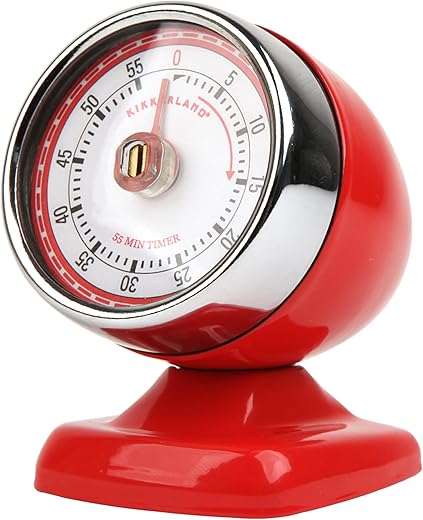
You do not need expensive software subscriptions to practice this productivity method. A standard mechanical kitchen timer works perfectly and gives you a physical act to mark the official start of your work. The ticking sound also creates a psychological anchor that reminds your brain to stay on task. If you prefer digital tools, your standard smartphone timer or smartwatch gets the job done just as well for tracking your basic intervals.
Desktop applications offer helpful bonus features for blocking digital distractions during your timed sprints. Apps like Forest, Freedom, or Focus To-Do integrate timers directly into your web browser or phone screen. Some of these specific tools will temporarily block your access to distracting websites like YouTube or Twitter while your timer is actively running. This creates a hard physical barrier between you and your absolute worst digital scrolling habits.
Organizing Your Daily Task List
Planning your tasks before you actually start the timer prevents you from wasting focused minutes figuring out what to do next. Spend the first 10 minutes of your morning estimating exactly how many Pomodoros each task will take. A blog post draft might require four blocks, while clearing your email inbox might only take one single sprint. Write these estimates down next to your daily goals so you have a clear roadmap.
Group smaller, unrelated tasks together to fill a single 25-minute block. You can easily combine paying bills, scheduling upcoming meetings, and sorting through physical paper mail into one administrative sprint. This specific batching strategy prevents you from scattering your attention across the entire day. By assigning specific time blocks to specific tasks, you create a highly realistic schedule that protects you from the stress of a massive, unorganized to-do list.
Making the Most of Your Scheduled Breaks
Your five-minute breaks must involve actively stepping away from your screens. Scrolling through Instagram, checking your personal email, or reading the news does not give your eyes or your brain any actual rest. You need to physically stand up, stretch your legs, or grab a glass of cold water. Getting your blood moving around your body helps reset your physical energy levels so you are fully prepared for the next round of focused work.
During your longer 30-minute breaks, step completely away from your immediate workspace. Go outside for a quick walk around the block, eat a healthy snack in the kitchen, or do a quick chore around the house. These longer recovery periods prevent the dreaded afternoon slump and keep your mind sharp for your final work blocks of the day. Treat these scheduled breaks with the exact same respect as your intense work periods.
Tracking Your Productivity Trends
Keep a simple daily log of exactly how many Pomodoros you successfully complete each day. Over a few weeks, you will notice clear patterns in your daily energy levels and your overall capacity for deep work. Most people max out at around eight to ten highly focused blocks per day. Knowing your personal limit helps you stop overcommitting to projects and prevents you from planning completely unrealistic daily schedules that lead to burnout.
Review your initial task estimates compared to reality at the end of each work week. If you consistently guess that a specific task will take two blocks but it actually takes four, you can easily adjust your future planning. This continuous feedback loop makes you much better at estimating realistic project timelines. You stop feeling chronically behind schedule because you finally start planning your workload based on your actual performance data.
Overcoming Common Beginner Struggles
Beginners almost always struggle with the sudden urge to break the rigid timer rules. The first few days will feel highly unnatural and you will likely fail to finish a full 25 minutes without checking your phone. Accept this initial friction as a completely normal part of training your damaged attention span. Simply acknowledge the distraction, put the phone down immediately, and return your eyes to the current task.
Do not pause the timer unless an actual physical emergency occurs in your workspace. If you get completely derailed by a phone call or a coworker, abandon that specific Pomodoro and start over from zero. A block of work is indivisible. This strict rule forces you to respect the boundary you set for yourself. With consistent daily practice over two or three weeks, the focused blocks will start to feel completely natural.
Quick Tips
- Keep a blank notepad next to your keyboard to capture random thoughts during your focus blocks.
- Turn your phone on airplane mode or leave it in another room while your 25-minute timer runs.
- Rest your eyes during your five-minute breaks by looking at objects at least 20 feet away.
- Use a physical mechanical timer to create a clear physical boundary between resting and working.
- Group minor tasks that take less than five minutes into a single administrative Pomodoro block.
Frequently Asked Questions
The Pomodoro Technique forces you to confront exactly how you spend your time at your desk. By setting a simple 25-minute timer, you strip away the multitasking habits that destroy your daily productivity. You stop reacting to every notification and start taking deliberate control over your attention span.
Start tomorrow morning by picking your most difficult task and committing to just one single focus block. Put your phone away, set your timer, and ignore the rest of the world until you hear the alarm. You will quickly discover that you can accomplish more in a few focused sprints than you normally do in an entire afternoon of distracted working.