We spend most of our time indoors, yet we rarely think about the air we breathe. Poor indoor air quality can cause headaches, fatigue, and long-term health issues. Dust, cooking fumes, and invisible gases build up quickly in modern, tightly sealed homes. You might not notice the gradual decline in air freshness until you start feeling sluggish. A reliable monitor takes the guesswork out of managing your home environment.
Finding the right device depends heavily on what you need to track and how you want to view the data. Some people just want a quick color-coded light to tell them when to open a window. Others need detailed historical graphs to track radon levels or specific particulate matter over time. The Airthings 2960 View Plus offers extensive tracking for serious health concerns like radon gas. Meanwhile, the Amazon Smart Air Quality Monitor provides a simple, voice-activated approach for casual users.
We tested and reviewed the top options available this year to help you make an informed choice. Our list covers everything from basic temperature and humidity sensors to advanced multi-gas detectors. We looked closely at sensor accuracy, app usability, and battery life to see which models actually deliver on their promises. You will find options suited for small home offices, large living rooms, and even portable use. Read on to discover which monitor fits your specific needs and budget.
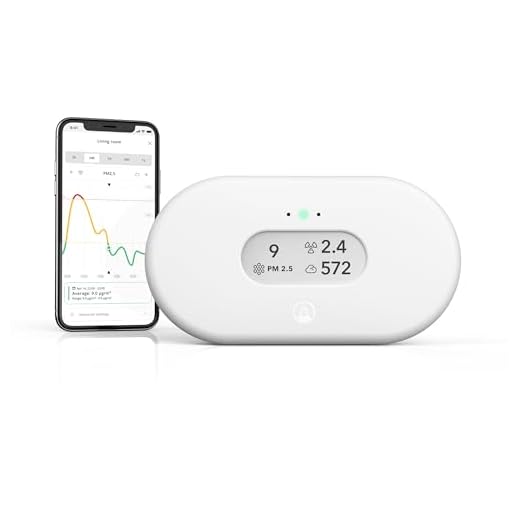

Airthings 2960 View Plus Radon & Air Quality Monitor
The Airthings 2960 View Plus is a battery-powered monitor designed for homeowners who want serious environmental tracking. It stands out by including a dedicated radon gas detector alongside standard air quality metrics. Radon is a major health risk for non-smokers, making this device especially valuable for basement offices or ground-floor bedrooms. The unit features a clean, modern display that blends easily into most home decor. It is an excellent choice for families who want peace of mind about invisible threats in their living spaces.
This monitor relies on always-on sensors to measure radon, PM2.5, and carbon dioxide levels continuously. The digital radon detector provides highly accurate readings based on the company’s fifteen years of experience in the field. You can check your live data at any time through a WiFi connection. The free companion app allows you to analyze long-term trends and receive timely notifications when air quality drops. This continuous monitoring ensures you always know exactly what is floating around your home.
Compared to other options on our list, the Airthings model is the only one that tracks radon gas. This specific feature makes it a necessary tool for homes in high-radon areas. While the Amazon Smart Air Quality Monitor is great for basic dust and VOC tracking, it cannot detect radon. The View Plus operates on battery power, giving you the freedom to place it anywhere without worrying about outlets. It is the most capable device here for long-term, serious health monitoring.
The Professional 16 in 1 Air Quality Monitor is a heavy-duty device built for users who want maximum data visibility. It features a massive 5.5-inch display that shows multiple metrics simultaneously. This unit is ideal for office managers, workshop owners, or anyone who needs to monitor a wide variety of pollutants at a glance. The large screen makes it easy to read from across the room without needing to pull out a smartphone. It serves as a central dashboard for your indoor environment.
This monitor tracks up to 16 different environmental factors, giving you a complete picture of your indoor air. It includes a built-in battery that lasts for up to 10 hours on a single charge. This battery life allows you to move the device from room to room to spot-check different areas of your home or office. The large 5.5-inch display organizes the 9 AQI metrics clearly so you can quickly identify problem areas. You get immediate visual feedback on everything from basic temperature to complex particulate matter.
This model takes a very different approach than the app-focused Airthings View Plus. Instead of relying on a smartphone screen, it puts all the information right on the device itself. This makes it much better for public spaces or shared offices where multiple people need to see the air quality status. It lacks the smart home integration found in the Amazon or Qingping models. However, for pure standalone data display, this 16-in-1 monitor is unmatched on our list.
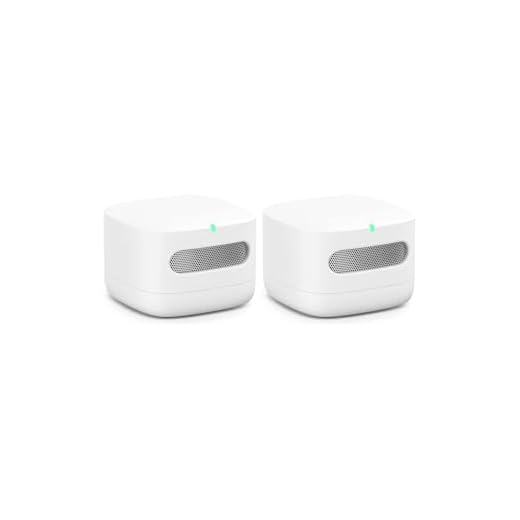
Amazon Smart Air Quality Monitor (2-Pack)
The Amazon Smart Air Quality Monitor comes in a convenient two-pack for tracking multiple rooms at once. It is designed specifically for users who already have Alexa devices in their homes. The monitor itself is small, unobtrusive, and plugs directly into a standard wall outlet. It is great for busy parents or smart home enthusiasts who want simple, voice-activated environmental updates. You can easily place one in the kitchen and another in the nursery to keep tabs on your whole house.
This device tracks five key factors, including particulate matter, volatile organic compounds, and carbon monoxide. It features a simple color-coded LED on the front that gives you an immediate indication of your current air quality. You can view an easy-to-understand air quality score through the Alexa app on your phone. If the monitor detects poor air, it sends notifications directly to your mobile device. You can even set it up to make audible announcements on your Echo speakers when conditions change.
This two-pack offers incredible value compared to the single-unit Airthings and Qingping models. It integrates perfectly into the Alexa ecosystem, which is something the Professional 16-in-1 monitor cannot do. However, it does not have a built-in screen for detailed data viewing, relying entirely on the app and LED light. It also requires a constant power connection, unlike the battery-powered options on our list. If you want a hands-off, voice-controlled experience, this is the most practical choice available.
Qingping Air Monitor Lite
The Qingping Air Monitor Lite is a compact, stylish device aimed at Apple HomeKit users. It features a minimalist design that looks great on a modern desk or nightstand. This monitor is ideal for apartment dwellers who want accurate readings without a bulky piece of hardware taking up space. The pixel-style user interface gives it a fun, retro aesthetic that stands out from typical clinical-looking monitors. It is a great fit for tech-savvy individuals who want quick access to basic air metrics.
This 5-in-1 monitor tests for PM2.5, PM10, carbon dioxide, temperature, and humidity. It uses highly accurate, fast-responding sensors to deliver reliable data in real time. You can check your readings remotely using the Qingping app or Apple HomeKit over a 2.4GHz Wi-Fi connection. The clear OLED screen is controlled by a sensitive touch bar, allowing you to swipe through different metrics easily. A built-in 2000mAh lithium battery provides up to seven hours of continuous use before needing a recharge.
The Qingping Lite is the only monitor on our list that officially supports Apple HomeKit. This makes it the obvious choice for iOS users, just as the Amazon monitor is best for Alexa households. Its seven-hour battery life is slightly shorter than the ten hours offered by the Professional 16-in-1 model. The screen is also much smaller, focusing on one metric at a time rather than showing everything at once. However, its compact size and touch-bar navigation make it incredibly pleasant to use on a daily basis.
The Temtop M10+ is a versatile combo unit that pairs a dedicated air quality monitor with a separate smart thermometer. This bundle is great for users who want to track different rooms simultaneously with specialized devices. The main unit focuses heavily on gases and particulates, while the secondary sensor handles basic climate data. It is a great setup for a home office where you want the main display on your desk and the thermometer in a server closet. The sleek, boxy design fits nicely on any bookshelf or countertop.
The M10+ tracks carbon dioxide levels, fine particulates, and volatile organic compounds with impressive accuracy. The included T1 thermometer uses a Swiss-made intelligent sensor to deliver precise temperature and humidity readings. You can connect both devices to the Temtop app for real-time updates and historical data analysis. The app even allows you to view and export nearly 100 days of historical data for long-term tracking. If you prefer a quiet environment, you can easily disable the buzzer alarm for silent monitoring.
This combo package offers a unique two-device approach that differs from the all-in-one Qingping and Airthings models. By separating the thermometer, you get more flexibility in how you monitor your space. It tracks a similar range of pollutants as the Amazon Smart Monitor but provides much deeper data exporting capabilities. The ability to silence the physical alarm is a nice touch that prevents annoying beeps during the night. It is a highly capable system for data nerds who want to export and analyze their home metrics.
Buying Guide
Understanding Particulate Matter (PM2.5 and PM10)
Particulate matter refers to tiny particles suspended in the air you breathe. These particles come from dust, pollen, smoke, and everyday activities like cooking or burning candles. PM10 includes larger particles like dust and pollen that can irritate your eyes and throat. PM2.5 refers to much smaller particles that can travel deeply into your lungs and enter your bloodstream. Monitoring these levels helps you know when to turn on an air purifier or close your windows.
High levels of particulate matter are especially dangerous for people with asthma or allergies. Even healthy individuals can experience fatigue, coughing, and shortness of breath when exposed to poor air for extended periods. Wildfire smoke is a common source of severe PM2.5 spikes in many regions during the summer months. A good monitor will alert you to these invisible threats before you start feeling physical symptoms. You can then take immediate action to improve your indoor environment.
When shopping for a monitor, pay attention to how it displays particulate data. Some devices only give a general color-coded warning, while others provide exact numerical values. Numerical data is much more useful if you want to track small improvements over time. You should also check if the device differentiates between PM2.5 and PM10, as they require different filtration methods. Knowing exactly what is in your air is the first step to breathing easier.
The Dangers of Volatile Organic Compounds (VOCs)
Volatile organic compounds are gases emitted by various household products and building materials. Common sources include fresh paint, cleaning supplies, new furniture, and even certain cosmetics. These gases can build up quickly in modern, energy-efficient homes that lack proper ventilation. Short-term exposure to VOCs often causes headaches, dizziness, and irritation of the eyes and respiratory tract. Long-term exposure to certain VOCs has been linked to more serious chronic health conditions.
Tracking VOCs is notoriously difficult because the category includes thousands of different chemicals. Most consumer monitors use a broad-spectrum sensor that detects the overall presence of these gases rather than identifying specific chemicals. This general reading is usually enough to tell you when you need to open a window and let fresh air inside. Spikes in VOC levels often occur right after you clean the bathroom or unbox a new mattress. A quick blast of fresh air is usually the best way to clear them out.
If you frequently use harsh cleaning chemicals or do a lot of indoor hobby work, a VOC sensor is essential. It provides a tangible reminder to ventilate your workspace properly. Many people are surprised to see their VOC levels spike simply from cooking a large meal or spraying air freshener. Monitoring these gases helps you make better choices about the products you bring into your home. Over time, you will learn which household items cause the biggest drops in air quality.
Carbon Dioxide and Indoor Fatigue
Carbon dioxide is a naturally occurring gas that we exhale with every breath. Outdoors, CO2 levels are generally low and pose no threat to human health. Indoors, however, CO2 can accumulate rapidly in crowded or poorly ventilated rooms. High concentrations of this gas are a primary cause of the afternoon slump many people feel in stuffy offices. As levels rise, you may experience drowsiness, poor concentration, and a general feeling of lethargy.
Monitoring CO2 is one of the easiest ways to gauge the overall ventilation of a space. If carbon dioxide is building up, it is highly likely that other pollutants are accumulating as well. A quick spike in CO2 usually means you have too many people in a room with the doors and windows closed. Opening a window for just ten minutes can drastically reduce these levels and restore your energy. It is a simple fix that makes a massive difference in your daily productivity.
For home offices and bedrooms, a CO2 sensor is arguably the most useful feature you can have. Waking up with a headache is often the result of sleeping in a small room with high carbon dioxide levels. By tracking this metric, you can adjust your HVAC settings or leave a door cracked to ensure proper airflow. Many modern monitors will sound an alarm or send a notification when CO2 reaches a level that impacts cognitive function. Keeping this gas in check is crucial for maintaining focus and feeling rested.
Smart Features and Data Tracking
Modern air quality monitors do much more than just display numbers on a screen. Many connect directly to your home Wi-Fi network to provide remote access to your data. This allows you to check on your home environment while you are at work or traveling. Companion smartphone apps often graph this data over time, revealing long-term trends you might otherwise miss. You can easily see if your air quality drops at a specific time every day.
Smart home integration takes this functionality a step further by allowing devices to communicate with each other. You can set up routines where your monitor automatically turns on a smart plug connected to an air purifier. Voice assistant compatibility lets you ask for an air quality update without having to look at a screen or open an app. These automated features take the manual work out of managing your indoor climate. They turn a simple sensor into an active participant in your home maintenance.
When evaluating smart features, consider how you actually plan to use the device. If you just want a quick visual check, a complex app with detailed historical graphs might be overkill. On the other hand, data enthusiasts will appreciate the ability to export spreadsheets of their environmental metrics. Pay attention to whether a device requires a paid subscription to access your historical data. The best monitor is the one that presents information in a way that fits your daily routine.
Final Verdict
Choosing the right air quality monitor comes down to understanding your specific health concerns and technical preferences. The Airthings 2960 View Plus is the absolute best choice for homeowners who need to track dangerous radon gas. If you prefer a massive, easy-to-read display for a shared workspace, the Professional 16-in-1 monitor delivers excellent visibility. The Amazon Smart Air Quality Monitor provides incredible value and simple voice control for existing Alexa users.
For those heavily invested in the Apple ecosystem, the Qingping Air Monitor Lite offers a beautiful design and native HomeKit support. Finally, the Temtop M10+ combo is great for data lovers who want to export their history and track multiple rooms with separate sensors. No matter which model you choose, gaining visibility into your indoor air is a massive step toward a healthier home. You will finally have the data you need to breathe easier and sleep better.