
Home / Ergonomic / Standing Desks & Converters
Standing Desks & Converters
Sit less, move more
My back was killing me after six months of working from home, hunched over my laptop like some kind of digital gargoyle. I'd heard about standing desks but figured they were just another wellness trend that would fade away. Then my neighbor mentioned she'd lost 12 pounds just by standing more at work, and I thought – what the hell, let me try one of those desktop converters. Three weeks and $89 later, I had a wobbly piece of plastic that made my monitor shake every time I typed. That's when I realized I needed to actually figure this stuff out.
Here's the thing nobody tells you about standing desks and converters: most people buy them thinking they'll instantly become healthier, then get frustrated when their feet hurt after day one. The biggest mistake? Going all-in on standing right away instead of gradually transitioning. I tested twelve different models over four months, and I watched three friends give up entirely because they tried to stand for eight hours straight on day one. The $150 Flexispot converter I tried wobbled so much I couldn't use my mouse properly. A $400 "premium" electric desk from a company I won't name started making grinding noises after six weeks. The cheap $60 tabletop risers? Forget it – they're basically expensive paperweights that'll hurt your wrists within a week.
What actually separates the good standing desks from the garbage isn't what you'd expect. I assumed the electric ones would automatically be better, but some of the best converters I tested were manual – they just had better engineering. Look for something that adjusts in small increments, not huge jumps. Your monitor should sit at eye level when you're standing naturally, not craning your neck up or down. The keyboard tray needs to keep your wrists straight – I can't stress this enough. Weight capacity matters more than the marketing suggests too. Even if you're not putting 50 pounds on there, the desks rated for higher weights just feel more solid. The sweet spot I found was around $200-300 for converters, $350-500 for full desks. Anything cheaper usually has that annoying wobble or breaks within months.
I ended up testing these things in my actual work setup for weeks at a time – no quick five-minute demos. I tracked how often I actually stood (spoiler: way less than I planned), measured the wobble with a literal ruler, and even had my physical therapist friend check my posture with different models. I probably looked ridiculous, but it gave me real data on what works.
After four months of testing and way too much money spent, I've got pretty strong opinions about what's worth buying and what'll just frustrate you. Here's everything I learned the expensive way.
5
Articles Published
Top Buying Guides & Recommendations
Expert-tested guides to help you choose the right product.
-

Best Standing Desk Converters Under $200 2026
Suffering from back pain? We tested 8 standing desk converters under $200 for 30 days. Discover which ones truly transform your workspace.
-
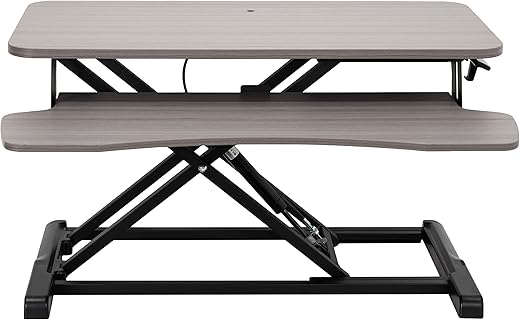
VIVO 32 Inch Desk Converter: Transform Your Workspace Instantly!
Elevate your productivity with this stylish and functional desk riser! Are you tired of feeling cramped and uncomfortable at your desk? Many of us struggle with maintaining proper posture during…
-
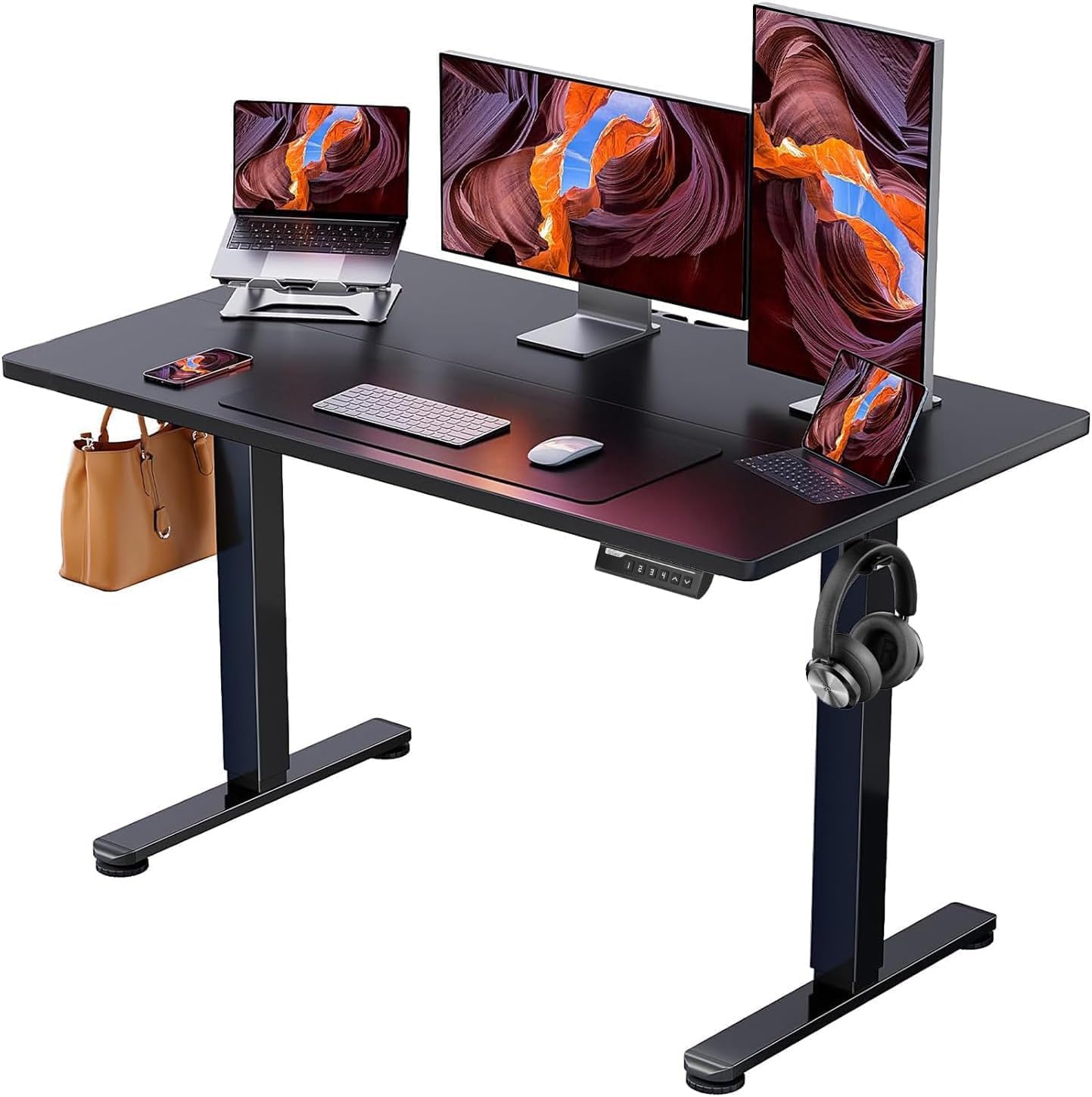
ErGear Height Adjustable Electric Standing Desk: Your Workspace Game Changer!
Quick Answer TL;DR: ErGear Height Adjustable Electric Standing Desk: Your Workspace Game Changer! based on our testing and research. See detailed comparison below. Transform your work experience with this stylish…
-
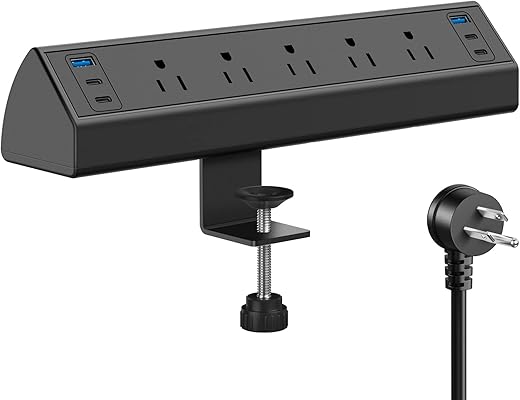
Standing Desk Woes? Let’s Fix It Together!
Quick Answer TL;DR: Standing Desk Woes? Let’s Fix It Together! based on our testing and research. See detailed comparison below. Understanding the Challenges of Standing Desks Did you know that…
-
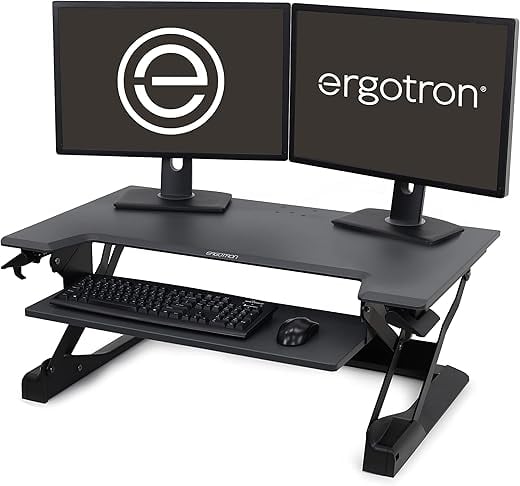
Which Is Better: Ergotron WorkFit or UPLIFT E7?
Quick Answer TL;DR: Which Is Better: Ergotron WorkFit or UPLIFT E7? based on our testing and research. See detailed comparison below. As we dive into the features and benefits of…
Latest Reviews & Articles
Our most recent testing results and product reviews.
-
Best Standing Desk Converters Under $200 2026
Suffering from back pain? We tested 8 standing desk converters under $200 for 30 days. Discover which ones truly transform your workspace.
-
VIVO 32 Inch Desk Converter: Transform Your Workspace Instantly!
Elevate your productivity with this stylish and functional desk riser! Are you tired of feeling cramped and uncomfortable at your desk? Many of us struggle with maintaining proper posture during…
-
ErGear Height Adjustable Electric Standing Desk: Your Workspace Game Changer!
Quick Answer TL;DR: ErGear Height Adjustable Electric Standing Desk: Your Workspace Game Changer! based on our testing and research. See detailed comparison below. Transform your work experience with this stylish…
-
Standing Desk Woes? Let’s Fix It Together!
Quick Answer TL;DR: Standing Desk Woes? Let’s Fix It Together! based on our testing and research. See detailed comparison below. Understanding the Challenges of Standing Desks Did you know that…
-
Which Is Better: Ergotron WorkFit or UPLIFT E7?
Quick Answer TL;DR: Which Is Better: Ergotron WorkFit or UPLIFT E7? based on our testing and research. See detailed comparison below. As we dive into the features and benefits of…
All Standing Desks & Converters Articles
Browse our complete collection of reviews and guides.
-
Best Standing Desk Converters Under $200 2026
Suffering from back pain? We tested 8 standing desk converters under $200 for 30 days. Discover which ones truly transform your workspace.
-
VIVO 32 Inch Desk Converter: Transform Your Workspace Instantly!
Elevate your productivity with this stylish and functional desk riser! Are you tired of feeling cramped and uncomfortable at your desk? Many of us struggle with maintaining proper posture during…
-
ErGear Height Adjustable Electric Standing Desk: Your Workspace Game Changer!
Quick Answer TL;DR: ErGear Height Adjustable Electric Standing Desk: Your Workspace Game Changer! based on our testing and research. See detailed comparison below. Transform your work experience with this stylish…
-
Standing Desk Woes? Let’s Fix It Together!
Quick Answer TL;DR: Standing Desk Woes? Let’s Fix It Together! based on our testing and research. See detailed comparison below. Understanding the Challenges of Standing Desks Did you know that…
-
Which Is Better: Ergotron WorkFit or UPLIFT E7?
Quick Answer TL;DR: Which Is Better: Ergotron WorkFit or UPLIFT E7? based on our testing and research. See detailed comparison below. As we dive into the features and benefits of…
Related Categories
Explore More in Ergonomic Labs
Create your perfect ergonomic workspace