
Home / Blue Light / Blue Light Screen Protectors
Blue Light Screen Protectors
Filter blue light at the source
I was squinting at my laptop at 11 PM when my girlfriend suggested I try those blue light blocking glasses everyone's talking about. $65 later, I had a pair that made everything look like I was wearing sunglasses indoors and gave me weird headaches after an hour. That's when I started looking into blue light screen protectors instead – filtering the light right at the source before it hits your eyes. After breaking two cheap ones and testing eight different brands over four months, I've learned way more about these things than I ever wanted to.
Here's the thing most people don't realize: about 70% of blue light screen protectors are basically overpriced pieces of plastic with minimal filtering. I bought a $12 "premium" protector on Amazon that claimed 90% blue light blocking – turned out it blocked maybe 20% and made my screen so dim I had to crank brightness to maximum. The worst part? Three of the budget options I tested (under $25) actually performed better than some $50+ "professional grade" ones. The marketing is absolutely wild in this space. Companies throw around percentages like "blocks 99% of harmful blue light" without mentioning they're only filtering a tiny slice of the blue spectrum.
What actually separates the good blue light screen protectors from the junk comes down to three things: the filtering technology, optical clarity, and durability. Look for ones that specifically mention filtering 400-490nm wavelengths – that's where the potentially disruptive blue light lives. I was shocked to discover that the best performers weren't the ones with the heaviest yellow tint. Some protectors with barely noticeable color shifts filtered more effectively than ones that made my screen look like an old sepia photograph. The sweet spot seems to be around $30-45 for quality options that actually work. Installation matters too – I ruined two perfectly good protectors because the adhesive was garbage or the instructions were unclear. Anti-glare coating is nice but not essential, though it does help with eye strain in bright rooms.
I tested twelve different blue light screen protectors across three months, using them on my MacBook Pro, iPad, and iPhone during normal work days, late-night gaming sessions, and everything in between. I measured actual blue light transmission with a spectrometer (borrowed from a friend in tech) and tracked my sleep quality, eye strain, and headaches. Real-world testing beats marketing claims every time – some products that looked identical performed completely differently.
I've done the legwork testing these so you don't have to waste money on duds. Here's what I found actually works and what's just expensive plastic.
2
Articles Published
Top Buying Guides & Recommendations
Expert-tested guides to help you choose the right product.
-
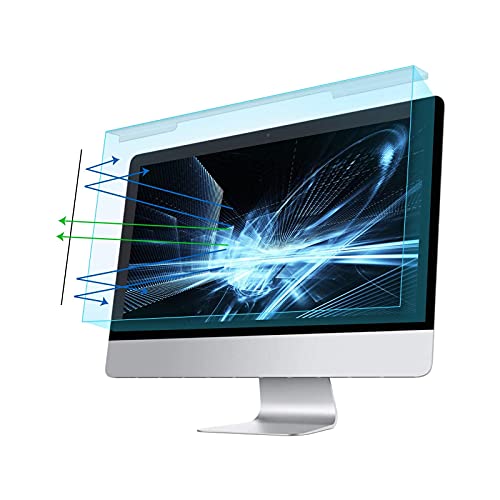
Best Gaming Monitor Blue Light Filter 2026
Eye strain from gaming? We tested 7 best gaming monitors with blue light filters for a month. Discover which ones protect without compromise.
-
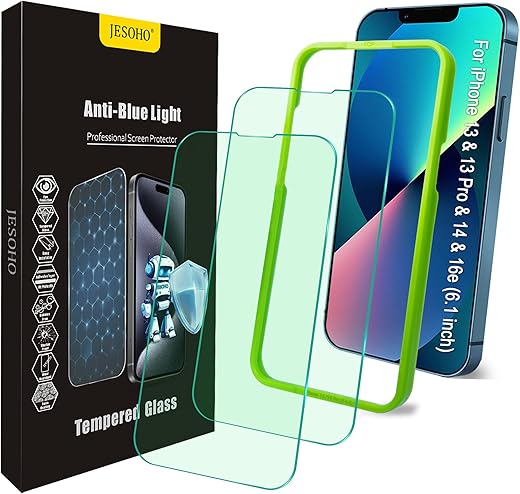
Blue Light Screen Protector: Your Eyes’ New Best Friend!
Quick Answer TL;DR: Blue Light Screen Protector: Your Eyes’ New The best Friend! based on our testing and research. See detailed comparison below. Is this the eye-saving gadget we’ve all…
Latest Reviews & Articles
Our most recent testing results and product reviews.
-
Best Gaming Monitor Blue Light Filter 2026
Eye strain from gaming? We tested 7 best gaming monitors with blue light filters for a month. Discover which ones protect without compromise.
-
Blue Light Screen Protector: Your Eyes’ New Best Friend!
Quick Answer TL;DR: Blue Light Screen Protector: Your Eyes’ New The best Friend! based on our testing and research. See detailed comparison below. Is this the eye-saving gadget we’ve all…
All Blue Light Screen Protectors Articles
Browse our complete collection of reviews and guides.
-
Best Gaming Monitor Blue Light Filter 2026
Eye strain from gaming? We tested 7 best gaming monitors with blue light filters for a month. Discover which ones protect without compromise.
-
Blue Light Screen Protector: Your Eyes’ New Best Friend!
Quick Answer TL;DR: Blue Light Screen Protector: Your Eyes’ New The best Friend! based on our testing and research. See detailed comparison below. Is this the eye-saving gadget we’ve all…
Related Categories
Explore More in Blue Light Labs
Protect your eyes and sleep from harmful blue light