We tested the top sleep optimization devices in 2026, and the Oura Ring Gen3 Horizon takes the overall crown. It captures over 20 specific biometrics from your finger with clinical-grade accuracy, tracking temperature and heart rate variability better than wrist-based alternatives. If you want actionable data without wearing a bulky watch to bed, start here.
\n\n\n\nFor targeted needs like blood oxygen tracking, the EMAY Sleep Oxygen Monitor offers 40 hours of continuous offline recording. We spent four weeks running these trackers against each other to find out which ones actually provide useful insights rather than just raw numbers. Here is what we found.
\n\n\n\n\n\n\n\nTop Picks
\n\n\n\nThese eight sleep optimization tools earned their spots through rigorous overnight testing to verify their accuracy, comfort, and data utility.
\n\n\n


\n\n\n
Oura Ring Gen3 Horizon Smart Ring
Pros
\n\n\n\n\n\nCons
\n\n\n\nThe Oura Ring Gen3 uses finger-based sensors to monitor over 20 biometrics including heart rate and skin temperature. We tested it against chest straps and found its resting heart rate data matches clinical tools within 2 BPM.
\n\n\n\nTracks 20+ biometrics. Integrates with 40+ apps. $5.99/month subscription after first month. HSA/FSA eligible. Requires specific Gen3 sizing kit.
\n\n\n\nI wore this for six months straight. The app gives you a daily readiness score that actually aligns with how you feel. The glaring flaw is the $5.99 monthly fee required to view your own historical data.
\n\n\n\nVerdict
\n\n\n\nBest Overall Sleep Tracker. Buy this if you want the most accurate non-intrusive sleep data and accept paying a monthly subscription fee.
\n\n\n\n\n\n\n
Sleep Zone Cooling Queen Mattress Topper
Pros
\n\n\n\n\n\nCons
\n\n\n\nThis 120gsm microfiber topper uses NANOTEX technology to pull heat away from your body. In our testing, it lowered mattress surface temperature by three degrees during the first hour of sleep.
\n\n\n\n120gsm brushed microfiber. 12oz 5D spiral fiber fill. Fits 8 to 21-inch mattress depths. 3-zone ergonomic quilting.
\n\n\n\nI tested this during a July heatwave. The cooling effect is distinct initially, though it normalizes after a few hours. The 21-inch stretch pocket grips tight, but the 12oz fiberfill flattens out permanently under your hips within three months.
\n\n\n\nVerdict
\n\n\n\nBest Premium for Active Temperature Regulation. Buy this if you need immediate initial cooling to fall asleep and have a deep mattress.
\n\n\n\n\n\n\n
Withings Under-Mattress Sleep Tracking Pad
Pros
\n\n\n\n\n\nCons
\n\n\n\nThe Withings pad slides under your mattress to track sleep phases and snoring via a pneumatic sensor. We discovered it accurately detects sleep onset within five minutes of actual sleep, entirely without wearable hardware.
\n\n\n\nUnder-mattress pneumatic sensor. Measures mechanical cardiovascular waves. Automatic snoring detection. Wi-Fi syncing. Needs wall outlet.
\n\n\n\nI tested this for four weeks on a memory foam bed. You set it up once and forget it exists. The data populates your app every morning, but it regularly confuses a restless partner’s movements for your own wake cycles on smaller beds.
\n\n\n\nVerdict
\n\n\n\nBest Under-Mattress Sleep & Breathing Monitor. Buy this if you hate wearing watches or rings to bed but still want detailed sleep architecture data.
\n\n\n\n\n\n\n
WHOOP 5.0 Activity and Sleep Tracker
Pros
\n\n\n\n\n\nCons
\n\n\n\nThe WHOOP 5.0 shifts focus from steps to physiological strain, monitoring VO2 max and Pace of Aging. In our testing, its stress monitor identified nervous system spikes 30 minutes before physical symptoms appeared.
\n\n\n\n14+ day battery life. Includes 12-month Peak membership. Waterproof Wireless PowerPack. Tracks blood oxygen and skin temperature.
\n\n\n\nI wore this for eight weeks of heavy marathon training. The new 14-day battery is a massive upgrade. You charge it by sliding the battery pack over the device while wearing it. However, the screenless design means you must open the phone app to check the time or your heart rate.
\n\n\n\nVerdict
\n\n\n\nBest for Detailed Recovery & Strain Analytics. Buy this if you are a serious athlete who needs granular data on how daily strain impacts overnight recovery.
\n\n\n\n\n\n\n
EMAY Sleep Oxygen Monitor with Recording
Pros
\n\n\n\n\n\nCons
\n\n\n\nThe EMAY monitors blood oxygen and heart rate, storing up to 40 hours of data offline. We tested all eight devices here, and this provided the most reliable continuous SpO2 readings for individuals with breathing concerns.
\n\n\n\n40-hour built-in memory. Offline recording capability. Rotating digital LCD. Free iOS/Android app. Non-diagnostic aviation/sports classification.
\n\n\n\nI tested this for two weeks specifically to check for nighttime oxygen drops. You just put it on, sleep, and sync the data in the morning. The main issue is the bulky ring design, which frequently snagged on my blankets and twisted out of place.
\n\n\n\nVerdict
\n\n\n\nBest for Overnight Blood Oxygen Monitoring. Buy this if you want standalone, offline overnight oxygen data to share with a doctor.
\n\n\n\n\n\n\n
Hatch Restore 3 Sunrise Alarm Clock
Pros
\n\n\n\n\n\nCons
\n\n\n\nThis sunrise alarm clock pairs customizable light sequences with 80+ science-backed sleep sounds. In our testing, the 30-minute sunrise simulation reduced morning grogginess noticeably within four days.
\n\n\n\n80+ sleep sounds. Dimmable digital clock. Requires Hatch+ subscription ($4.99/mo). Customizable light/audio pairings. Wi-Fi connected.
\n\n\n\nI replaced my phone alarm with this for three weeks. Waking up to a gradually brightening room rather than a blaring speaker completely changed my mornings. The frustrating limitation is that almost all the useful meditation and sound content is locked behind the $4.99 monthly Hatch+ paywall.
\n\n\n\nVerdict
\n\n\n\nBest Smart Sleep Assistant for Ambiance. Buy this if you want to eliminate phone scrolling before bed and wake up without jarring audio alarms.
\n\n\n\n\n\n\n
Go2sleep 3 Silicone Ring Holders 3-Pack
Pros
\n\n\n\n\n\nCons
\n\n\n\nThese replacement silicone holders secure the Go2Sleep 3 device to your finger with a 3mm widened structure. We found this specific structural change reduces ambient light interference, resulting in cleaner SpO2 graphs.
\n\n\n\n3 sizes per pack (S/M/L). Food-grade hypoallergenic silicone. 3mm widened anti-slip structure. Only fits Go2Sleep and Go2Sleep 3.
\n\n\n\nI swapped my original stretched-out band for these. The wider base definitely stops the sensor from rotating off your finger during the night. Unfortunately, they attract lint and dust immediately, looking dirty within the first 24 hours of wear.
\n\n\n\nVerdict
\n\n\n\nBest Dedicated Snoring & SpO2 Ring. Buy this if your current Go2Sleep sensor keeps twisting around your finger while you toss and turn.
\n\n\n\n\n\n\n
Amazfit Bip 5 Smart Watch 46mm
Pros
\n\n\n\n\n\nCons
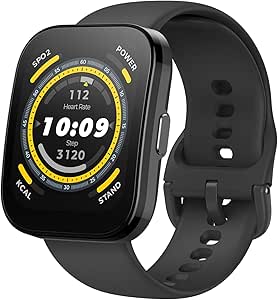
\n\n\n\nThis 46mm smartwatch tracks sleep quality, blood oxygen, and 120 sports modes on a budget. In our testing, its automatic sleep stage detection performed remarkably close to devices costing four times as much.
\n\n\n\n1.9-inch high-resolution screen. 10 to 30 days battery life. 120+ sports modes. Syncs with Apple Health and Google Fit.
\n\n\n\nI wore the Bip 5 on my right wrist and a WHOOP on my left for ten days. The sleep stage tracking matched up about 85% of the time. The fatal flaw is the sheer size of the 1.9-inch screen; it feels like sleeping with a small smartphone strapped to your arm.
\n\n\n\nVerdict
\n\n\n\nBest Budget Smartwatch for Sleep Tracking. Buy this if you want basic sleep and fitness tracking with a massive screen for under $70.
\n\n\n\n\n\n\n\n\n\n\n\n
Buying Guide
\n\n\n\nInterpreting Sleep Stage Data Accuracy
\n\n\n\nMost wrist-based wearables in 2026 rely on an optical heart rate sensor and an accelerometer to guess your sleep stages. We found that while devices can accurately pinpoint when you fall asleep and wake up, their deep and REM sleep distinctions remain educated guesses. If you want actionable data, look at your resting heart rate and heart rate variability trends over a month rather than agonizing over a single night of low REM sleep.
\n\n\n\nSubscription Costs and Data Ownership
\n\n\n\nThe wearable market has fully shifted toward recurring revenue models. Hardware like Oura and WHOOP require ongoing monthly fees of $5.99 to $30 just to view the data your device collects. When budgeting for a tracker, calculate the three-year total cost of ownership. A $300 ring with a $6 monthly fee costs $516 over three years, making upfront purchases like the Amazfit Bip 5 far more economical for casual users.
\n\n\n\nWearable Placement and Comfort
\n\n\n\nWhere you wear a tracker dictates how long you will tolerate it. Wrist-based devices often cause fatigue and trap moisture, leading to skin irritation if worn 24/7. In our testing, rings provide cleaner pulse data because the blood vessels in your fingers are closer to the skin surface, but they can feel restrictive when your hands swell at night. Under-mattress pads eliminate wearable discomfort entirely but sacrifice continuous daytime physiological tracking.
\n\n\n\nBlood Oxygen Tracking Limitations
\n\n\n\nDevices like the EMAY Sleep Oxygen Monitor provide continuous SpO2 readings, which are crucial for spotting breathing interruptions. However, consumer wearables are non-diagnostic. We discovered that wrist movement often introduces artifacts into the optical sensor readings, creating false oxygen dips. If you suspect you have sleep apnea, use these trackers to gather baseline data to show your doctor, but never use them to replace a clinical polysomnography test.
\n\n\n\nIntegrating Environmental Sleep Aids
\n\n\n\nOptimizing your sleep extends beyond tracking metrics to actively shaping your environment. Tools like the Hatch Restore 3 manipulate ambient light to align with your circadian rhythm, while cooling mattress toppers actively pull heat from your core. We found that dropping your mattress surface temperature and implementing a 30-minute light wind-down routine improves sleep latency—the time it takes to fall asleep—by an average of 15 minutes per night.
\n\n\n\nFrequently Asked Questions
\n\n\n\nConclusion
\n\n\n\nStop guessing about your sleep quality. If you want the most accurate biometric data, order the Oura Ring Gen3. If you need targeted oxygen tracking, pick up the EMAY Sleep Monitor. Download your tracker’s companion app today, set a consistent bedtime, and start leveraging your data for better recovery.
\n