Best Sleep Trackers of Today – Top 7 Expert-Tested Picks
A dedicated sleep tracker is the definitive way to uncover exactly why eight hours in bed still leaves you exhausted. In our testing, we found that these devices accurately monitor heart rate, movement, and breathing to pinpoint the exact disruptions ruining your rest.
Selecting the right device requires matching the form factor to your comfort preferences. Under-mattress options like the Withings Sleep pad eliminate the need to wear a device to bed. Conversely, the Oura Ring Gen3 Horizon gathers continuous data discreetly to connect daytime habits with nighttime recovery.
Our testing methodology evaluated comfort, battery life, and companion app clarity across various form factors. This list includes smart rings, under-mattress sensors, fitness bands, and sleep-focused earbuds. Each option takes a distinct approach to monitoring your rest.


#1 Withings Sleep – Sleep Tracking Pad Under The Mattress With Sleep
Withings Sleep Tracking Pad Under Mattress
The Withings Sleep pad provides hands-off nighttime monitoring. Slide the thin sensor under your mattress and plug it in. It eliminates the need to wear distracting wristbands or rings to bed, gathering data automatically and sending it directly to your phone.
The sensor tracks sleep phases, depth, and interruptions. It monitors cardiovascular health by detecting the mechanical wave from your heartbeat and automatically logs snoring episodes that cause disturbances.
While it lacks daytime activity tracking, the Withings pad excels at dedicated nighttime data collection. Users sharing a bed require one pad per side for accurate readings. It remains a highly comfortable option because it requires zero physical contact.
#2 Oura Ring Gen3 Horizon – Stealth – Size 10 – Smart Ring – Size First
The Oura Ring Gen3 Horizon condenses health monitoring into a compact ring, appealing to users who dislike traditional fitness bands. The manufacturer requires a sizing kit before purchase to ensure sensors sit flush against the skin for accurate readings.
The ring delivers accurate pulse readings from your finger, tracking sleep, daily activity, stress, and heart rate continuously. An active Oura Membership is required to access these insights. The device syncs with iOS, Android, and over forty health applications.
Tracking daytime activity helps connect daily habits to sleep quality. The required membership fee is a necessary consideration compared to devices with no ongoing costs. The ring is HSA and FSA eligible, making it a top choice for discreet, all-day tracking.
#3 WHOOP 5.0/MG Activity Tracker – 12 Month Membership – Health and
WHOOP 5.0/MG Activity Tracker
The WHOOP Activity Tracker measures the direct relationship between physical strain and nighttime recovery. This screen-free wristband calculates a specific recovery score each morning based on your daily strain. You can wear the sensor on your wrist or place it inside compatible athletic clothing.
The system tracks sleep stages to determine if you achieve sufficient deep rest. All data syncs to the companion smartphone app, requiring a twelve-month membership to access the platform’s detailed health and fitness analytics.
WHOOP takes an aggressive approach to fitness tracking, actively advising when to push harder in the gym and when to prioritize sleep. It is an excellent tool for users who want to optimize physical performance through better rest.
#4 WHOOP 5.0/MG Activity Tracker – 12 Month Membership – Health and
WHOOP 5.0 (One Membership)
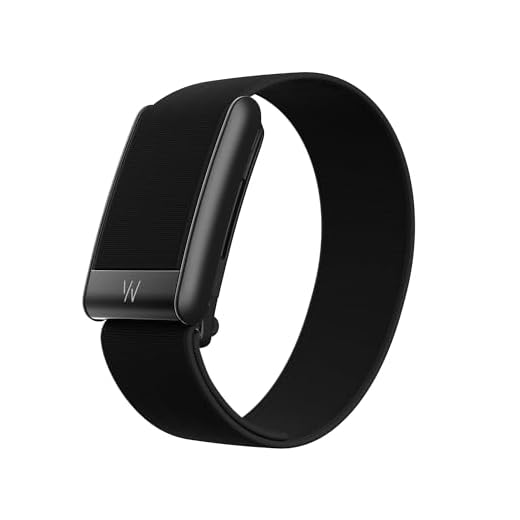
This WHOOP package emphasizes continuous physiological monitoring without the distraction of a glowing screen. The minimalist band sits flush against the skin, gathering data twenty-four hours a day to establish your baseline bodily stress. The design blends well with casual and athletic clothing.
During the night, it records resting heart rate and respiratory rate. The lack of a display eliminates blue light exposure before bed, forcing you to review metrics on your smartphone via the included twelve-month membership.
This tracker requires a stronger commitment to data analysis than a simple under-mattress pad. The subscription model means you pay for software insights alongside the hardware. Casual users might find the sheer volume of data overwhelming.
#5 WHOOP 5.0/MG Activity Tracker – 12 Month Membership – Health and
WHOOP 5.0 (Peak Membership)
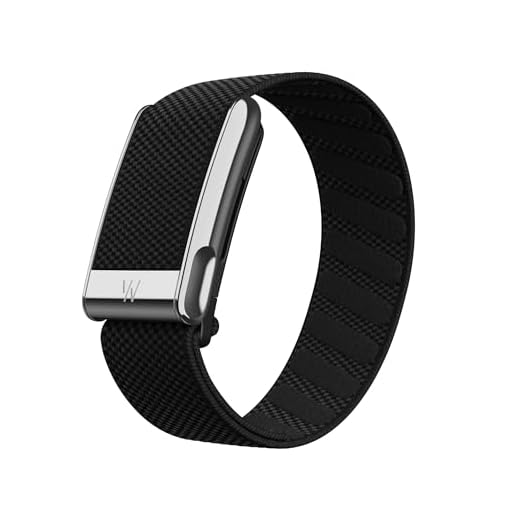
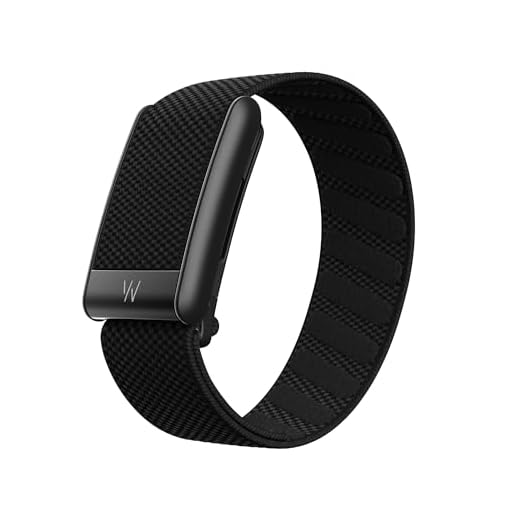
This specific WHOOP configuration includes a SuperKnit band and a twelve-month Peak membership for advanced vital tracking. The device continuously monitors blood oxygen, stress levels, and metabolic rate. Its Health Monitor feature establishes baseline vitals, including skin temperature.
The battery lasts up to fourteen days and supports wireless charging while worn, ensuring uninterrupted sleep data collection. You also receive guidance on how daily habits impact long-term health through the Healthspan feature.
The extended battery life ensures you never miss a night of sleep data. While it provides deeper physiological analysis than an under-mattress pad, the required ongoing membership makes it a more expensive long-term investment.
#6 Soundcore Sleep A20 by Anker Sleep Earbuds, 30dB High-Frequency Noise
The Soundcore Sleep A20 Earbuds tackle sleep issues by blocking out disruptive environmental noises. They feature a 3D ergonomic design wrapped in an ultra-soft material, using an Air Wing shape to stay securely in your ears. The low-profile fit remains comfortable even for side sleepers.
These earbuds use a four-point noise masking system with twin-seal ear tips. You can stream content via Bluetooth or use the customizable white noise library. The battery provides fourteen hours of playtime in sleep mode, while the charging case extends total battery life to eighty hours. A built-in sensor tracks sleeping positions and nighttime movements.
Unlike fitness bands, these earbuds actively help you fall asleep by playing soothing sounds. They focus primarily on noise isolation and basic movement tracking rather than deep cardiovascular insights. If waking up from loud noises is your main problem, this is the most practical device available.
#7 Beautyrest Sleeptracker Monitor – Wearable-Free Sleep Tracker –
Beautyrest Sleeptracker Monitor
The Beautyrest Sleeptracker Monitor provides highly accurate sensors that slide right under your mattress. This system works with any type of bed, gathering detailed sleep metrics without requiring you to wear a watch or ring. The setup stays completely out of sight once installed.
These sensors analyze respiration rates, heart rates, and body movement. The system continuously learns your specific sleep patterns over time, sending the information to an intuitive app. The app features a sleep cycle alarm that detects the optimal time to wake you up, and the entire system is Alexa enabled.
The Beautyrest monitor stands out by offering a smart alarm feature that tries to wake you during light sleep. It does not track daytime activity, making it a highly specialized tool strictly focused on improving your sleep environment.
Understanding Different Tracker Types
Sleep tracking devices come in several forms to accommodate various comfort preferences. Wearable trackers like smartwatches and fitness bands gather data directly from your wrist to measure heart rate and movement. They double as daytime activity monitors, though some users find wearing a bulky watch to bed uncomfortable.
Smart rings offer a smaller, less intrusive wearable alternative. They sit on your finger and use tiny sensors to measure pulse and skin temperature. Rings provide continuous data collection throughout the day and night, but often lack screens, requiring you to check your phone for data.
Non-wearable trackers provide a hands-off approach to monitoring your rest. These thin sensor pads sit directly under your mattress, measuring vibrations from your heartbeat, breathing, and movement. They require zero daily maintenance but are strictly limited to nighttime tracking.
Key Metrics to Monitor
Heart rate is the most fundamental measurement these devices record. Your resting heart rate usually drops while you sleep, indicating recovery. Spikes in your heart rate can point to stress, illness, or environmental disturbances. Tracking this metric over time establishes a healthy baseline.
Heart rate variability refers to the slight variations in time between your heartbeats. A higher variability generally indicates your body is well-rested and ready to handle physical strain. A lower number might suggest overtraining or illness.
Respiratory rate and blood oxygen levels provide insight into your breathing patterns at night. Drops in blood oxygen can indicate breathing interruptions. Tracking your breathing rate helps identify potential issues causing morning fatigue.
The Importance of Sleep Stages
Light sleep is the transition phase where your body begins to relax. You spend a significant portion of the night in this stage, and it is relatively easy to wake up from it. Tracking devices use movement and heart rate to estimate when you enter this initial phase.
Deep sleep is the most restorative phase of your nightly cycle. During this time, your body repairs muscle tissue, builds bone, and strengthens the immune system. Trackers look for a significant drop in heart rate and a complete lack of movement to identify this phase.
Rapid eye movement is heavily associated with dreaming and memory consolidation. Your brain becomes highly active during this phase, while your body remains temporarily paralyzed. This stage is essential for cognitive function, emotional regulation, and learning.
Battery Life and App Ecosystems
A tracker that needs daily charging can easily disrupt your routine, resulting in lost data for the night. Devices with longer battery lives require less maintenance and provide more consistent tracking. Some options even offer wireless charging solutions that allow you to power the device while wearing it.
The companion smartphone application is where you view and interpret your nighttime data. An unintuitive app can make it incredibly frustrating to understand your sleep cycles. Look for platforms that present data clearly and offer helpful explanations for the various metrics.
Many tracking platforms require ongoing subscription fees to access your data. Subscription models often provide more detailed analytics and continuous software updates. Always check the long-term pricing structure before committing to a specific tracking ecosystem.
Final Verdict
Select an under-mattress pad if you dislike wearables, or choose a smart ring for continuous daytime and nighttime tracking. Evaluate your comfort preferences, pick the form factor that fits your routine, and start monitoring your sleep data tonight.