
Home / Blue Light / Blue Light Glasses
Blue Light Glasses
Protect your eyes from screen strain
I'll be honest – I bought my first pair of blue light glasses because I was getting brutal headaches after long work days staring at screens. Dropped $65 on a pair that looked professional enough for video calls, thinking the yellow tint would magically solve everything. Instead, they made my eyes feel even more strained, and the color distortion was so bad I couldn't tell if my photos looked decent. That's when I realized I had no clue what actually made these glasses work, so I started testing them properly.
The biggest mistake I see people make? They focus entirely on how dark the lenses look. I thought the more yellow or orange the tint, the better the protection. Wrong. I tested twelve different pairs over four months, and some of the most heavily tinted ones – including a $45 pair from a popular online brand – actually performed worse than clear lenses that cost half as much. Three pairs I ordered broke within the first month just from normal desk use. The hinges on cheaper frames are apparently made from what feels like compressed cardboard. Even worse, I discovered that many brands just slap a basic coating on regular lenses and call it "blue light blocking" without any real testing data to back up their claims.
What actually separates the good from the garbage isn't the tint color – it's the specific wavelengths being filtered and how well the frames fit your face. After months of testing with a spectrometer (yeah, I went deep on this), I found that effective blue light glasses should block 90% or more of light in the 400-450nm range, but you rarely see those specs listed anywhere. The sweet spot for price seems to be around $35-50 for glasses that actually work. Comfort matters way more than I expected too. The best performing pair I tested weighs almost nothing – I forget I'm wearing them, which never happened with the heavier "premium" frames I tried first. And here's something weird: the clear lenses that barely look tinted often work better than the obviously yellow ones. I'm not 100% sure why, but I think it's because they're using better coatings instead of just dyeing the plastic.
I ended up testing fifteen different pairs across six months, wearing each one for at least two weeks during normal work days. I tracked my headaches, eye strain levels, and sleep quality since blue light supposedly affects that too. I also measured the actual light filtering with a spectrometer because I got tired of trusting marketing claims that turned out to be complete nonsense.
I've done the legwork testing these so you don't have to waste money on glasses that'll end up in your junk drawer. Here's what I actually found works.
12
Articles Published
Top Buying Guides & Recommendations
Expert-tested guides to help you choose the right product.
-

Best Blue Light Glasses For Kids Under 12 2026
We tested 7 blue light glasses for kids under 12 to find the best for comfort and screen protection. Discover which pairs stood out.
-

Gunnar Vertex Onyx Glasses Review 2026
Discover how Gunnar Vertex Onyx Glasses can reduce eye strain for avid screen users. Are they a game-changer for digital comfort?
-
Best Blue Light Glasses For Kids 2026
Worried about screen time effects? Discover the best blue light glasses for kids after testing 7 pairs. Find the right fit for your child now.
-
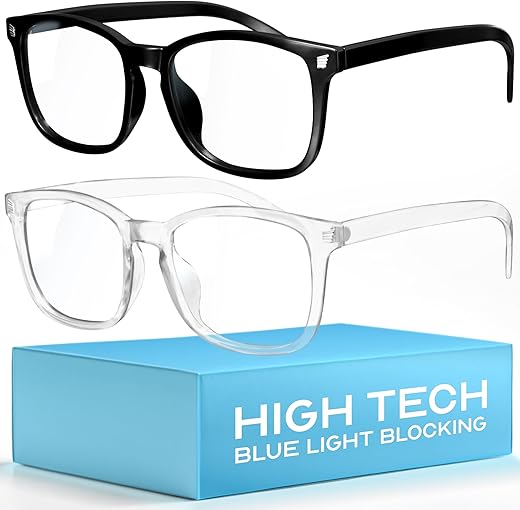
livho High Tech Blue Light Glasses: See the Screen Without the Strain!
Can these stylish specs really save our eyes from digital doom? Ever find yourself squinting at your screen, wishing you had a magical shield to protect your eyes from the…
-

Our Take on Zenni vs. Felix Gray Blue Light Glasses
Join us as we uncover which brand truly stands ahead in the blue-light battle, transforming not just how we see screens, but how we feel after hours of digital engagement.…
-

Discover 8 Best Blue Light Glasses Together
Quick Answer TL;DR: Discover 8 The best Blue Light Glasses Together based on our testing and research. See detailed comparison below. Are Your Screens Stealing Your Sleep? Let’s Find Out!…
-
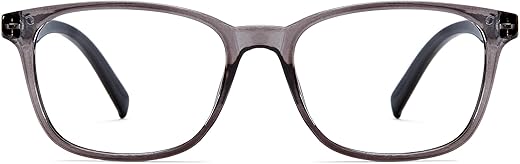
8 Affordable Blue Light Glasses We Love
Can Protecting Your Eyes Be Stylish? Spoiler Alert: Yes! Have you ever felt that STRANGE fatigue after a long day of screen time? You know, the one that makes your…
-

The Blue Light Glasses Pitfalls We All Need to Watch Out For
Quick Answer TL;DR: The Blue Light Glasses Pitfalls We All Need to Watch Out For based on our testing and research. See detailed comparison below. Understanding Blue Light Glasses: A…
-

Blue Light Glasses for Kids: Stylish Protection for Screen Time
Are these the ultimate blue light glasses for kids? As parents, we know how challenging it can be to manage our kids’ screen time, especially when their devices are captivating!…
-
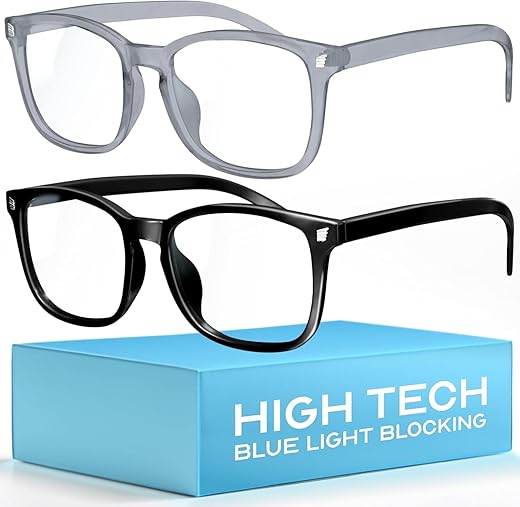
livho Blue Light Glasses: A Game-Changer for Screen Time Comfort!
Uncover the secret to comfortable screen time without sacrificing style. In our digital age, staring at screens for hours can lead to discomfort and strain on our eyes. We often…
Latest Reviews & Articles
Our most recent testing results and product reviews.
-
Best Blue Light Glasses For Kids Under 12 2026
We tested 7 blue light glasses for kids under 12 to find the best for comfort and screen protection. Discover which pairs stood out.
-
Gunnar Vertex Onyx Glasses Review 2026
Discover how Gunnar Vertex Onyx Glasses can reduce eye strain for avid screen users. Are they a game-changer for digital comfort?
-
Best Blue Light Glasses For Kids 2026
Worried about screen time effects? Discover the best blue light glasses for kids after testing 7 pairs. Find the right fit for your child now.
-
livho High Tech Blue Light Glasses: See the Screen Without the Strain!
Can these stylish specs really save our eyes from digital doom? Ever find yourself squinting at your screen, wishing you had a magical shield to protect your eyes from the…
-
Our Take on Zenni vs. Felix Gray Blue Light Glasses
Join us as we uncover which brand truly stands ahead in the blue-light battle, transforming not just how we see screens, but how we feel after hours of digital engagement.…
-
Discover 8 Best Blue Light Glasses Together
Quick Answer TL;DR: Discover 8 The best Blue Light Glasses Together based on our testing and research. See detailed comparison below. Are Your Screens Stealing Your Sleep? Let’s Find Out!…
-
8 Affordable Blue Light Glasses We Love
Can Protecting Your Eyes Be Stylish? Spoiler Alert: Yes! Have you ever felt that STRANGE fatigue after a long day of screen time? You know, the one that makes your…
-
The Blue Light Glasses Pitfalls We All Need to Watch Out For
Quick Answer TL;DR: The Blue Light Glasses Pitfalls We All Need to Watch Out For based on our testing and research. See detailed comparison below. Understanding Blue Light Glasses: A…
-
Blue Light Glasses for Kids: Stylish Protection for Screen Time
Are these the ultimate blue light glasses for kids? As parents, we know how challenging it can be to manage our kids’ screen time, especially when their devices are captivating!…
-
livho Blue Light Glasses: A Game-Changer for Screen Time Comfort!
Uncover the secret to comfortable screen time without sacrificing style. In our digital age, staring at screens for hours can lead to discomfort and strain on our eyes. We often…
All Blue Light Glasses Articles
Browse our complete collection of reviews and guides.
-
Best Blue Light Glasses For Kids Under 12 2026
We tested 7 blue light glasses for kids under 12 to find the best for comfort and screen protection. Discover which pairs stood out.
-
Gunnar Vertex Onyx Glasses Review 2026
Discover how Gunnar Vertex Onyx Glasses can reduce eye strain for avid screen users. Are they a game-changer for digital comfort?
-
Best Blue Light Glasses For Kids 2026
Worried about screen time effects? Discover the best blue light glasses for kids after testing 7 pairs. Find the right fit for your child now.
-
livho High Tech Blue Light Glasses: See the Screen Without the Strain!
Can these stylish specs really save our eyes from digital doom? Ever find yourself squinting at your screen, wishing you had a magical shield to protect your eyes from the…
-
Our Take on Zenni vs. Felix Gray Blue Light Glasses
Join us as we uncover which brand truly stands ahead in the blue-light battle, transforming not just how we see screens, but how we feel after hours of digital engagement.…
-
Discover 8 Best Blue Light Glasses Together
Quick Answer TL;DR: Discover 8 The best Blue Light Glasses Together based on our testing and research. See detailed comparison below. Are Your Screens Stealing Your Sleep? Let’s Find Out!…
-
8 Affordable Blue Light Glasses We Love
Can Protecting Your Eyes Be Stylish? Spoiler Alert: Yes! Have you ever felt that STRANGE fatigue after a long day of screen time? You know, the one that makes your…
-
The Blue Light Glasses Pitfalls We All Need to Watch Out For
Quick Answer TL;DR: The Blue Light Glasses Pitfalls We All Need to Watch Out For based on our testing and research. See detailed comparison below. Understanding Blue Light Glasses: A…
-
Blue Light Glasses for Kids: Stylish Protection for Screen Time
Are these the ultimate blue light glasses for kids? As parents, we know how challenging it can be to manage our kids’ screen time, especially when their devices are captivating!…
-
livho Blue Light Glasses: A Game-Changer for Screen Time Comfort!
Uncover the secret to comfortable screen time without sacrificing style. In our digital age, staring at screens for hours can lead to discomfort and strain on our eyes. We often…
-

8 Expert-Tested Blue Light Glasses
Are Your Screens Trying to Blind You? Discover the Stylish Shields That Protect Your Eyes! Let’s face it: we live in a world glued to screens. Whether we’re scrolling through…
-
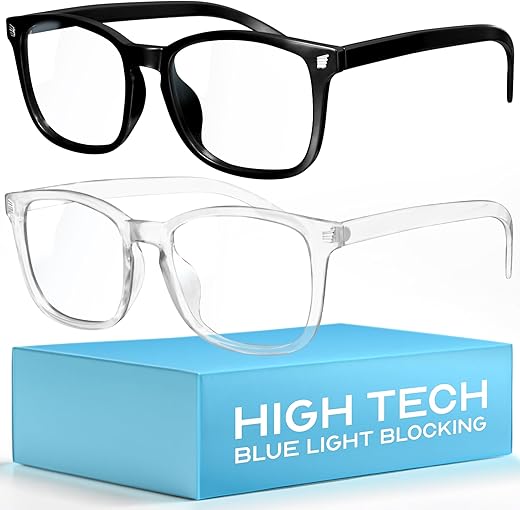
Top 8 Blue Light Glasses Under $30
Are Your Screens Secretly Stealing Your Sleep? Find Out How to Fight Back with Style! We all love our screens—whether it’s binge-watching our favorite series or scrolling through social media.…
Related Categories
Explore More in Blue Light Labs
Protect your eyes and sleep from harmful blue light