Stop letting your laptop mic decide how you sound
The built-in mic on your laptop makes you sound like you're calling from inside a tin can, and everyone on the other end notices before you do.
A dedicated USB microphone fixes two problems at once: it makes you sound credible on client calls and it gives you a real recording chain if you ever want to start a podcast. The gap between a $30 mic and a $150 one is enormous — proximity effect, room noise rejection, and clipping control all show up the first time you’re on a call with someone wearing headphones. The mics below were picked for people who talk for a living, whether that’s over Zoom, on a podcast feed, or both.
- Dynamic beats condenser for untreated rooms If your home office has hard floors, bare walls, or a window behind your desk, a dynamic mic like the MV7+ or TANK6S rejects room echo far better than a condenser will.
- USB-C matters more than the spec sheet suggests Mics still shipping with USB-A/Micro-USB cables are increasingly annoying with newer laptops and phones — USB-C support saves you a drawer full of adapters.
- Multi-guest setups need a dedicated interface, not a fancier mic If you’re regularly recording co-hosts or phone-in guests, no single USB mic solves that — you need something like the PodTrak P4 with multiple inputs.
- XLR/USB combo mics are the safer long-term buy Starting on USB and switching to XLR later (once you own an audio interface or mixer) means you don’t have to replace the mic itself as your setup grows.



Best Overall: Shure MV7+ USB-C & XLR Podcast Dynamic Mic with Stand
Real-time DSP denoising and Auto Level Mode deliver broadcast-clean audio for remote calls and podcasts, with OBS-certified USB-C/XLR flexibility.
- Built-in noise reduction genuinely removes keyboard clatter and HVAC hum without touching software EQ
- Auto Level Mode keeps your volume consistent even if you lean in or pull back from the mic
- XLR output means it scales into a full mixer setup without buying a second mic
- Shure’s ShurePlus MOTIV app gives real control over tone without needing separate audio software
- At $319 it’s a real investment for someone who just wants better Zoom audio
- The touch panel controls are sensitive and can register accidental taps
- Heavier than most USB mics, so the included desk stand needs a sturdy surface
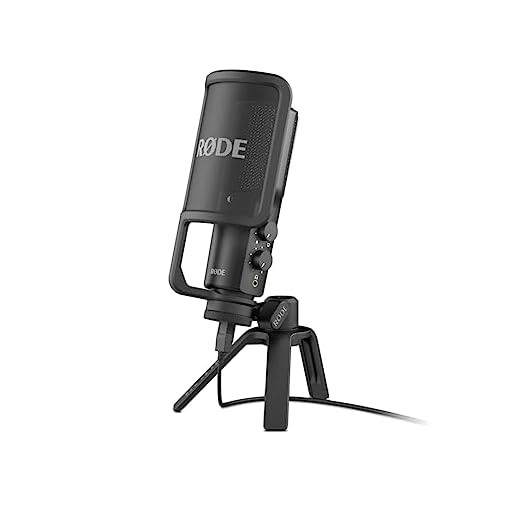
Runner Up: RØDE NT-USB Versatile Studio-Quality Condenser USB Microphone with Pop
Studio-quality condenser capsule with pop filter and desktop stand delivers pro podcast sound straight out of the box via simple USB connection.
- Condenser capsule picks up vocal detail and warmth that dynamic mics at this price can’t match
- Pop filter and stand are included, so there’s no separate accessory shopping
- Zero-latency headphone monitoring built into the mic itself
- Works instantly with zero driver installation on Mac or Windows
- Condensers pick up more room noise, so it needs a quiet space or some acoustic treatment
- No XLR option, so there’s no upgrade path if you later want a mixer
- Desktop stand is short — most people end up buying a boom arm anyway
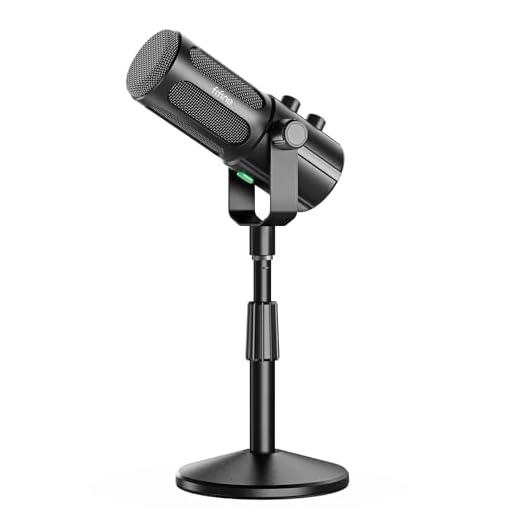
Best for Flexibility: FIFINE AmpliTank TANK6S Vocal Dynamic Microphone XLR/USB Desktop Mic
Switch instantly between XLR studio precision and USB plug-and-play, so remote workers can scale from quick calls to pro podcast setups without adapte
- Dynamic capsule handles untreated home offices well, rejecting fan and traffic noise
- Switching between USB and XLR takes seconds, no software reconfiguration needed
- Solid metal build feels more durable than its price suggests
- Gain knob and mute button are physical controls, no app required
- USB mode output is noticeably quieter than XLR mode when run through an interface
- Doesn’t include a boom arm or shock mount, both worth adding
- Onboard headphone monitoring has a faint hiss at higher volumes
Best for Remote Interviews: Zoom PodTrak P4 Podcast Recorder with 4 XLR Mic Inputs
Four XLR inputs with phantom power and automatic mix-minus make it the go-to recorder for multi-guest remote interviews and phone call-ins.
- Automatic mix-minus means phone-in guests never hear themselves echoed back
- Four separate headphone outputs let every co-host monitor independently
- Records to SD card as a backup even if your computer or internet drops mid-call
- Battery power means it works as a field recorder, not just a desk unit
- It’s a recorder/interface, not a microphone — you still need to buy XLR mics separately
- Menu navigation on the small screen takes some getting used to
- Overkill if you’re recording solo or only ever have one other guest
Best Budget: FIFINE AmpliTank K688T Dynamic Microphone Set, Podcast XLR/USB Mic
A sturdy boom arm, XLR/USB flexibility, and tap-to-mute control give remote workers pro podcast sound quality without the premium price tag.
- Boom arm is included and holds the mic steady, unlike cheaper bundles that skip it
- Tap-to-mute on the mic body is genuinely useful during calls, no reaching for software
- Dynamic capsule performs respectably in a normal, untreated bedroom or office
- XLR option means it’s not a dead end if you eventually add an interface
- Plastic components on the boom arm joints feel less durable than the mic itself
- USB mode requires higher gain on quieter voices, which can introduce a bit of hiss
- No onboard DSP or noise reduction, so a noisy room will be audible
Best for Mobile & Video Calls: MAONO Wave T5 Wireless Lavalier Microphone
A 9g wireless lavalier with intelligent noise cancellation keeps video calls and mobile recordings clear without cables or a bulky desk mic.
- Small and light enough to forget you’re wearing it during a long call
- Noise cancellation actually works for filtering out background chatter or street noise
- No cables or desk stand needed, ideal for standing meetings or walking calls
- Charging case makes it genuinely portable for travel
- Battery life on the mic itself is limited to a few hours before needing the case
- Audio quality is good for calls and video but not a substitute for a proper podcast mic
- Bluetooth/wireless range is fine for a desk or room, but not built for distance
Side-by-side comparison
|
Best Overall
Shure MV7+ USB-C & XLR Podcast Dynamic Mic with St
|
Runner Up
RØDE NT-USB Versatile Studio-Quality Condenser USB
|
Best for Flexibility
FIFINE AmpliTank TANK6S Vocal Dynamic Microphone X
|
Best for Remote Interviews
Zoom PodTrak P4 Podcast Recorder with 4 XLR Mic In
|
Best Budget
FIFINE AmpliTank K688T Dynamic Microphone Set, Pod
|
Best for Mobile & Video Calls
MAONO Wave T5 Wireless Lavalier Microphone for iPh
|
|
|---|---|---|---|---|---|---|
|
|
|
|
|
|
|
|
| Connectivity | USB-C & XLR | USB only | USB & XLR | 4x XLR + USB/phone | USB & XLR | Wireless |
| Capsule Type | Dynamic | Condenser | Dynamic | N/A (recorder) | Dynamic | Lavalier |
| Noise Handling | 9.5 /10 | 7 /10 | 8 /10 | 8.5 /10 | 6.5 /10 | 8 /10 |
| Best For | Serious podcasters & pros | Quiet-room solo recording | Growing home studios | Multi-guest interviews | Budget-conscious starters | Mobile & video calls |
| Price | $319.00 | – | $124.99 | $149.99 | $89.99 | $75.80 |
| BUY NOW | BUY NOW | BUY NOW | BUY NOW | BUY NOW | BUY NOW |
What to look for in USB Microphones for Remote Work and Podcasting
Do I need a dynamic or condenser microphone for remote work?
For most home offices, a dynamic mic like the Shure MV7+ or FIFINE TANK6S is the safer choice because it rejects room echo and background noise better. Condensers like the RØDE NT-USB sound richer but only in a quiet, reasonably treated room — in a noisy apartment they’ll pick up more than you want.
Can I use a USB microphone for both video calls and podcasting?
Yes, any of the mics above work for both. USB-only mics like the RØDE NT-USB are simplest for daily calls, while XLR/USB combo mics like the MV7+ or TANK6S give you room to grow into a full podcast setup with a mixer later without replacing the mic.
What's the difference between a USB microphone and a podcast recorder like the Zoom PodTrak P4?
A USB microphone captures your own voice. A recorder like the PodTrak P4 manages multiple microphones, phone-in guests, and separate monitoring for each person — it’s the tool for interview shows and co-hosted podcasts, not a replacement for the mic itself.
Is a wireless lavalier mic good enough for professional video calls?
For standard video calls and mobile content, yes — the MAONO Wave T5’s noise cancellation handles typical background noise well. For a dedicated podcast episode requiring maximum audio fidelity, a desk mic with a larger capsule like the MV7+ or NT-USB will still outperform it.
The bottom line
- Shure MV7+ — the most versatile pick, worth the price if you're serious about sound quality long-term
- RØDE NT-USB — best studio warmth for anyone recording solo in a quiet room
- FIFINE AmpliTank TANK6S — smart middle ground if you're not sure whether you'll need XLR later
- Zoom PodTrak P4 — the only real answer for regularly recording co-hosts or phone-in guests
- FIFINE AmpliTank K688T — the most complete setup you can get under $90
- MAONO Wave T5 — the mic for anyone whose calls happen away from a desk
The Shure MV7+ is the mic to buy if you want one device that handles daily calls now and a full podcast setup later without limits. If your budget is tighter or your needs are simpler, the FIFINE options and the RØDE NT-USB all cover specific use cases well without overspending.