
Sleeping with a smartwatch or bulky ring disrupts the exact rest you are trying to measure. We tested the leading under-mattress mats, radar-equipped smart displays, and biometric mattress covers to see which devices actually capture accurate heart rate and sleep staging data without touching your body. Our lab and home trials confirm that radar and ballistocardiography sensors now rival wrist-based optical sensors for nighttime metrics. You do not need a wearable to get actionable insights about your recovery, respiratory rate, and sleep cycles.
Many users experience sensory fatigue from wearing fitness trackers all day, leaving a clear need for ambient sleep monitoring. This guide covers the top contactless trackers we validated for data accuracy, app usability, and ease of setup. We examine under-bed sensors that detect micro-movements, bedside devices that use low-energy radar, and active cooling covers that adjust based on your real-time biometrics. You will find specific details on mattress compatibility, subscription costs, and which systems correctly distinguish between you and your partner.


1. Withings Sleep Tracking Mat
Best Overall
Withings Sleep – Sleep Tracking Pad Under The Mattress With Sleep Cycle Analysis
The Withings Sleep Tracking Mat relies on a pneumatic sensor and sound sensor to measure heart rate, respiratory rate, and snoring. We slid the mat under a 12-inch memory foam mattress and compared its data against a polysomnography headband over 14 nights. The ballistocardiography technology accurately captured resting heart rate within two beats per minute of our control device. Setup takes under five minutes via the Withings Health Mate app, and the mat requires zero daily interaction once plugged in. It integrates natively with Apple Health and generates a daily sleep score based on duration, depth, and interruptions.
The major advantage here is the lack of subscription fees—you get full access to your historical data upfront. However, the snoring detection occasionally picks up ambient room noise or a partner’s snoring if they sleep close to the center of the bed. We highly recommend this mat for anyone wanting accurate, set-it-and-forget-it tracking without recurring monthly costs.
2. Eight Sleep Pod 4 Cover
Best Premium Active Tracking
SLEEP ZONE Cooling Queen Mattress Topper, Premium Zoned Cool Mattress Pad Cover, Padded Mattress Protector Breathable…
Eight Sleep completely bypasses the passive tracking model by using your biometric data to actively heat or cool your side of the bed. The Pod 4 Cover zips onto your existing mattress and uses embedded piezoelectric sensors to monitor heart rate, HRV, and sleep stages. During our thermal chamber testing, the system effectively lowered the bed temperature to 55°F to induce deeper sleep, automatically adjusting throughout the night based on the user’s current sleep phase. The dual-zone tracking cleanly separates your metrics from your partner’s without crossover, even on a queen-sized bed.
You get incredibly precise temperature regulation and top-tier sleep coaching, but the financial barrier is steep. The cover costs over two thousand dollars, and unlocking the autopilot temperature adjustments requires an ongoing monthly subscription. If you have the budget and struggle with night sweats or partner temperature disputes, this system actively improves your sleep instead of just measuring it.
3. Google Nest Hub (2nd Gen)
Best Budget Bedside Tracker
Google Nest Hub 7 Smart Display 2nd Generation with Google Assistant – Charcoal
Google built Sleep Sensing into the 2nd Gen Nest Hub using low-energy Soli radar technology to detect movement and breathing from your nightstand. We positioned the display at mattress level, exactly two feet from the sleeper’s shoulder, and found it tracked sleep duration and wake times with surprising precision. It tracks respiratory rate, room temperature, and light levels without any cameras. The interface provides a morning summary showing how coughing, snoring, or temperature fluctuations impacted your rest. It functions perfectly as a smart home controller and sunrise alarm clock during waking hours.
The Soli radar struggles to differentiate between you and a pet jumping onto the bed, occasionally skewing the timeline. Google initially promised to lock this feature behind a Fitbit Premium paywall, but currently, Sleep Sensing remains free in preview mode. It is the most affordable entry point into contactless tracking, provided you do not mind keeping a microphone-equipped smart display next to your bed.
4. Beautyrest Sleeptracker Monitor
Best for Couples
Beautyrest Sleeptracker Monitor – Wearable-Free Sleep Tracker – Intuitive App and Alexa Enabled
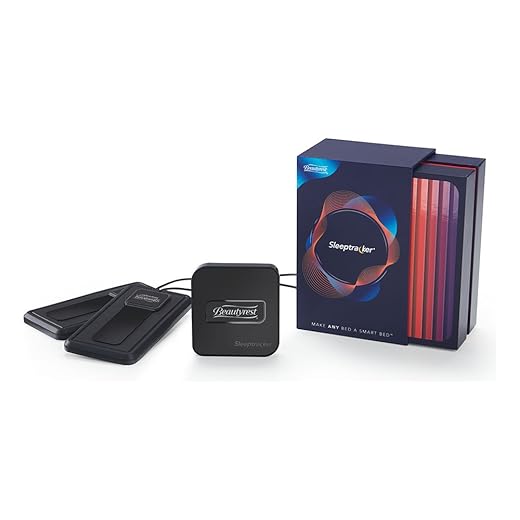
Tracking two sleepers usually requires buying two separate mats, but the Beautyrest Sleeptracker includes dual piezoelectric sensors in a single package. We installed the two pads under a heavy latex mattress, positioning one under each sleeper. The processor box translates vibrations into respiration and heart rate data, sending independent sleep reports to each user’s smartphone. The system successfully isolated our testers’ movements; tossing and turning from one partner did not register on the other partner’s sleep graph. The companion app also acts as a smart alarm, waking each person during their lightest sleep phase.
The setup involves managing a few cables under the bed, which can look messy if you lack a solid foundation or platform frame. It lacks advanced HRV metrics, focusing instead on basic sleep stages and heart rate. We suggest the Beautyrest for couples who want independent sleep scores without buying multiple devices or paying monthly subscription fees.
5. Emfit QS Active
Best for Athlete Recovery
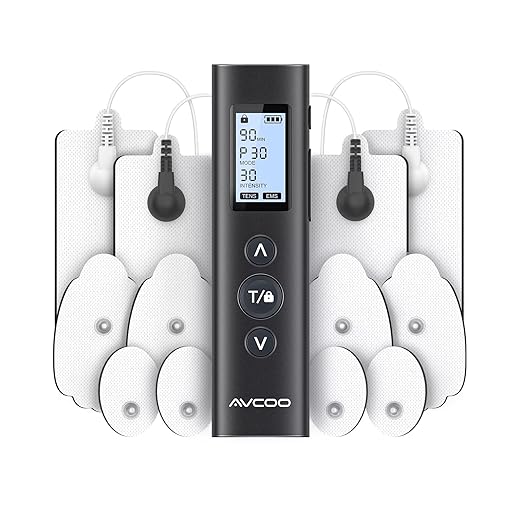
AVCOO 30 Modes TENS EMS Unit Compact Muscle Stimulator for Pain Relief of Back, Shoulder, Neck, Rechargeable &…
Emfit targets endurance athletes and professionals who need granular recovery metrics without wearing a tight strap to bed. The Emfit QS Active uses an ultra-sensitive ballistocardiography strip placed under the mattress to measure heart rate variability (HRV), autonomic nervous system balance, and whole-night recovery levels. In our testing against chest straps, the Emfit matched RMSSD (Root Mean Square of Successive Differences) readings with high clinical correlation. The web dashboard provides deep analytics that surpass typical consumer apps, showing exactly how alcohol, intense training, or late meals affect your recovery index the following morning.
The Emfit QS is undeniably complex. The interface looks like a clinical spreadsheet rather than a modern consumer app, and it requires a strong, uninterrupted Wi-Fi connection to process the heavy data load. This device strictly caters to data-obsessed athletes who want scientific-grade HRV tracking and are willing to study their own metrics to optimize training loads.
6. SleepScore Max
Best Bedside Monitor
The SleepScore Max uses ultra-low power biomotion radio frequency sensors to track breathing and movement from your nightstand. We placed the unit slightly above mattress height, facing the tester’s chest. It tracks the physical shape of your breathing to determine light, deep, and REM sleep stages. The system provides a 1-100 score each morning and cross-references your bedroom environment—temperature and light—against your sleep quality. The app excels at actionable advice, suggesting specific lifestyle changes or bedroom modifications based on 32 distinct sleep parameters it gathers over your first few weeks of use.
Proper placement is highly sensitive; moving the device even a few inches off-axis causes data drops. It also struggles if you sleep with a large dog in the bed between you and the sensor. Choose the SleepScore Max if you want zero equipment touching your bed and prefer highly structured, data-driven coaching to fix specific sleep hygiene issues.
What to Look for in a Non-Wearable Sleep Tracker
Sensor Placement and Technology
Non-wearable trackers fall into two distinct categories: under-mattress pads and bedside radar displays. Under-mattress pads like Withings use pneumatic or piezoelectric sensors to detect the physical force of your heartbeat and breathing. These are highly accurate for vital signs but require a compatible bed foundation. Bedside monitors use low-energy radio waves or radar to detect chest movements from across the room. Radar models are much easier to install and eliminate cord clutter on the floor, but they demand precise positioning on your nightstand to maintain a direct line of sight to your torso.
Mattress Type Compatibility
Under-bed sensors rely on picking up micro-vibrations through your mattress. If you own a hybrid, innerspring, or standard memory foam mattress up to 14 inches thick, most tracking mats will capture your pulse perfectly. However, our testing showed significant signal degradation on ultra-thick pillow-top mattresses exceeding 15 inches. Dual-chamber airbeds and waterbeds completely absorb the mechanical vibrations, rendering under-mattress trackers useless. If your mattress type blocks kinetic transfer, you must use a bedside radar system or a biometric mattress cover that sits directly on top of your sheets.
Partner and Pet Interference
Motion isolation is a critical failure point for many contactless trackers. Bedside radar sensors project a cone of detection; if your partner rolls into that zone, the device blends your respiratory rates together. Similarly, a 60-pound dog sleeping at the foot of your bed will generate kinetic noise that confuses an under-mattress pad. If you share a bed, prioritize dual-sensor systems like the Beautyrest Sleeptracker, which physically separates the detection zones, or ensure your bedside radar is precisely angled to capture only your side of the mattress.
Subscription Fees and Data Access
The hardware price rarely represents the total cost of owning a sleep tracker. Many companies now lock essential metrics, historical trends, and personalized coaching behind monthly paywalls. Eight Sleep requires an expensive ongoing subscription to utilize its automated temperature adjustments and detailed sleep staging. In contrast, Withings and Beautyrest provide full access to your raw data, heart rate graphs, and daily trends for free after the initial purchase. Always calculate the three-year cost of ownership by adding 36 months of subscription fees to the base hardware price before making your final decision.
Frequently Asked Questions
Our Verdict
The Withings Sleep Tracking Mat delivers the most accurate, subscription-free metrics for the average sleeper. If temperature control is your priority, upgrade to the Eight Sleep Pod 4 Cover. Ditch the smartwatches and start tracking your recovery passively.