Blue light from digital screens actively disrupts your circadian rhythm and causes severe eye strain. In our testing of various blue light mitigation strategies, we found that understanding the science behind high-energy visible light is the only way to effectively protect your vision and sleep cycle. We will explain exactly how this light affects your body and provide practical, tested solutions to minimize your exposure.
Prolonged blue light exposure causes dry eyes, headaches, and serious sleep cycle disruptions. Artificial light halts the production of rest hormones. Managing your screen time and environment is crucial for long-term health. You can take control of your exposure with simple adjustments to your habits and devices.
Understanding the Blue Light Spectrum
Light consists of electromagnetic particles traveling in waves of varying lengths. Blue light features very short wavelengths, producing high amounts of energy. The sun is the largest source of natural blue light, which regulates daytime alertness.
LED televisions, computer monitors, and smartphones emit concentrated artificial blue light. Holding these screens close to your face after sunset throws off your biological clock. Your body simply cannot process high-energy light after dark without disrupting its natural rhythms.
Protecting Your Eyes from Digital Strain
Prolonged screen use causes digital eye strain, resulting in dry, itchy, or tired eyes. Blinking frequency drops significantly when focusing on digital displays, causing moisture loss. Taking regular breaks to focus on distant objects relieves this ocular tension.
Applying a physical barrier is the most reliable method to block harmful rays. The JESOHO Anti-blue light screen protector blocks harmful blue light using special polymer particles. It features a high-definition transparent nano coating that repels sweat and oil, and installs easily on compatible iPhones using the included framework.
Managing Screen Time for Better Sleep
Your circadian rhythm dictates your sleep cycle by producing melatonin as daylight fades. Evening blue light exposure tricks your brain into perceiving daylight, halting melatonin production. Storing your phone away an hour before bed prevents this disruption.
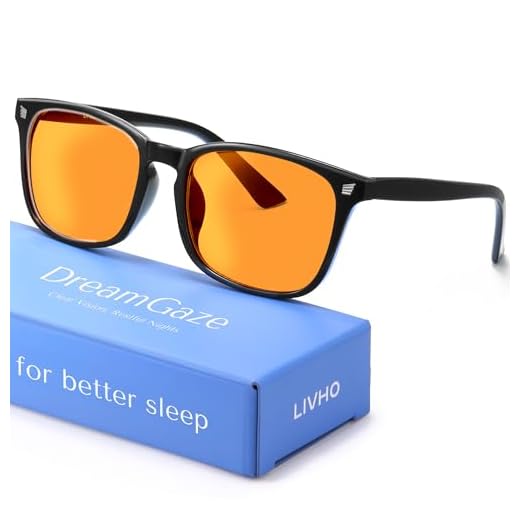
For late-night work or gaming, specialized eyewear filters stimulating light from monitors. The livho Gaming Blue Light Blocking Glasses actively filter harsh light to help you achieve better sleep after evening screen use. They also function as night driving glasses to reduce headlight glare.
livho Blue Light Blocking Gaming Glasses
Waking Up Naturally Without Harsh Light
Jolting awake to a blaring alarm in a dark room causes grogginess. Your body responds better to a gradual light increase that mimics a natural sunrise, signaling your brain to stop producing sleep hormones.
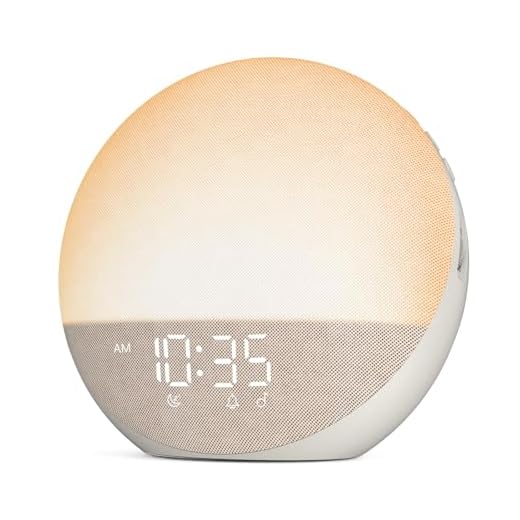
The Sunrise Alarm Clock White Noise Machine offers a sunrise simulation that gradually brightens over a customizable period. It features natural wake-up sounds and functions as a sound machine with white, pink, brown, and blue noise options. The fully dimmable digital display prevents nighttime sleep disruption.
Sunrise Alarm Clock & Sound Machine
Physical Screen Filters
When selecting a screen protector, look for high-definition transparent nano coatings that repel sweat and oil. Effective models use special polymer particles to block harmful rays from reaching your eyes.
Wearable Protection
Choose glasses that filter stimulating light from monitors and televisions. Versatile options will also function as night driving glasses to reduce glare from oncoming headlights.
Sleep Environment Lighting
Select alarm clocks with a sunrise simulation that gradually brightens. Ensure the device includes customizable natural sounds, white noise options, and a fully dimmable digital display so the clock itself does not keep you awake.
Final Thoughts
Unchecked blue light exposure damages your sleep and strains your eyes. Install a physical screen protector on your primary device today, and switch to a sunrise alarm clock to immediately improve your daily rest and recovery.
Frequently Asked Questions
Does all blue light cause eye damage?
Not all blue light is inherently dangerous to your eyes. Natural blue light from the sun is actually necessary to regulate your sleep cycle and boost your mood. The issue arises from excessive, close-up exposure to artificial screens.
Can I just use dark mode on my phone?
Dark mode reduces the overall brightness of your screen and can help minimize glare. However, the pixels still emit some blue light that can interfere with melatonin production. Physical filters or blocking glasses are generally more effective for late-night use.
How long before bed should I stop looking at screens?
Most sleep experts recommend turning off all digital screens at least one to two hours before you plan to sleep. This gives your brain enough time to recognize the darkness and start producing melatonin. Reading a physical book or listening to audio is a great alternative.