Understanding Blue Light’s Impact on Eye Health

Lately, I’ve been hearing a lot about blue light and its effects on our eyes, especially with how much time we spend on digital devices. It’s something you might not think about until your eyes feel tired or dry after a long day in front of screens. Understanding how blue light impacts eye health can help us make informed decisions about protecting our eyes in this digital age. This topic matters because, whether we’re aware of it or not, blue light is everywhere—from our phones to our LED lights—and it can affect our eye health in surprising ways.
What is Blue Light?
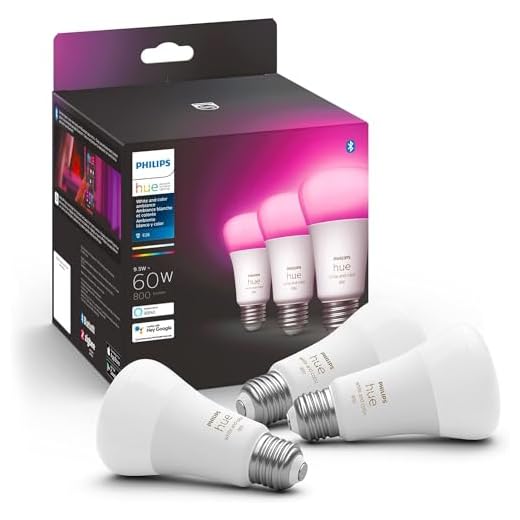
Blue light is a type of high-energy visible (HEV) light that comes from both natural and man-made sources. While the sun is the largest source, we’re increasingly exposed to artificial blue light from screens and lighting. In my experience, after spending hours working on my laptop or scrolling through my phone, I’ve noticed my eyes feeling strained. This constant exposure is why understanding blue light is so crucial. One way to mitigate this is by adjusting our lighting. For instance, using a smart light like the Philips Hue A19 LED Bulb can help control the intensity and type of light in your room, offering a more eye-friendly environment.
Effects of Blue Light on Eye Health
Prolonged exposure to blue light can lead to digital eye strain, which involves symptoms like dry eyes, blurry vision, and headaches. I’ve found that after binge-watching my favorite shows, my eyes feel exhausted. Studies suggest that blue light exposure can also affect our sleep cycles by disrupting melatonin production. If you’re like me and enjoy late-night reading, a good desk lamp like the BenQ e-Reading Desk Lamp could make a difference, as it reduces glare and offers a more comfortable reading experience without overwhelming your eyes with harsh blue light.
How to Protect Your Eyes from Blue Light
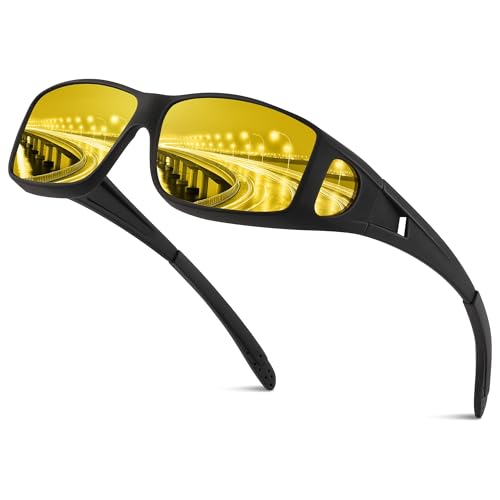
There are several practical steps we can take to protect our eyes from blue light. One approach is using blue light filtering glasses, which I’ve found to be quite effective. Gunnar Intercept Glasses, for instance, are a popular choice and can reduce glare and improve focus, especially during long work sessions. It’s also essential to take regular breaks—following the 20-20-20 rule can ease eye strain. Additionally, reducing screen brightness and using night mode on devices can help manage exposure. Remember, small changes can make a big difference over time.
Diving Deeper: Understanding Blue Light’s Role in Our Lives
Blue light isn’t all bad; in fact, it plays a role in regulating our circadian rhythm and boosting alertness. But balance is key. I’ve noticed that when I spend more time outdoors, the natural sunlight helps me feel more energized and focused. However, too much artificial blue light, especially before bed, can be counterproductive. It’s about finding that sweet spot where we can enjoy the benefits of blue light without suffering from its adverse effects.
???? Key Takeaways
- Blue light is a high-energy visible light from natural and artificial sources.
- Excessive exposure can lead to digital eye strain and disrupt sleep patterns.
- Utilize products like blue light filtering glasses and smart lighting to manage exposure.
- Incorporate breaks and adjust screen settings to reduce eye strain.
- Blue light has beneficial effects, like regulating circadian rhythms, in moderation.
Recommended Products
Based on my experience with this topic, here are products that can help:


Final Thoughts
In conclusion, while blue light is an unavoidable part of our modern lives, understanding how it affects our eyes can help us take proactive measures to protect our eye health. I’ve found that incorporating simple tools and habits, like using blue light glasses or adjusting room lighting, can make a significant difference. It’s all about balance and making informed choices to maintain both our eye health and overall well-being in a world filled with screens.