Understanding Blue Light: Impact on Sleep and Solutions

Have you ever found yourself scrolling through your phone late at night, only to struggle with falling asleep afterward? You’re not alone. I’ve noticed that the culprit might be something called blue light, and it’s affecting more than just our sleep. In our tech-driven world, blue light emanates from screens everywhere, making it crucial to understand how it impacts our sleep and what we can do about it. Stick with me, and I’ll share some insights and personal experiences to help you navigate this modern challenge.
What is Blue Light and Why Does it Matter?
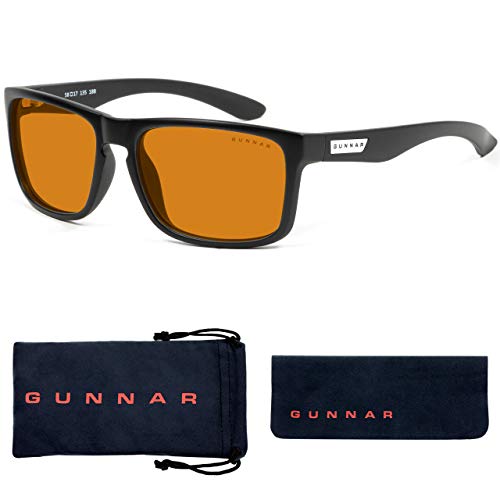
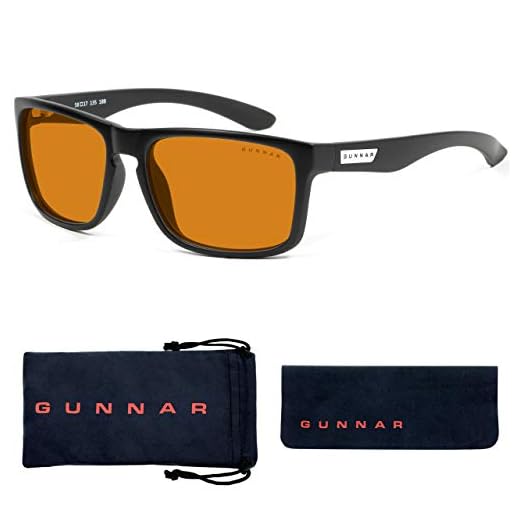
Blue light is a part of the visible light spectrum, and it’s emitted by digital screens like smartphones, tablets, and computers. You might be wondering why this matters. Well, blue light has a shorter wavelength and higher energy compared to other colors, which means it can penetrate deeper into our eyes. From my experience, too much exposure to blue light, especially before bedtime, can mess with your sleep cycle by tricking your brain into thinking it’s daytime. It’s something I’ve learned the hard way after many restless nights. To combat this, I’ve found that using Gunnar Intercept Glasses helps by filtering out some of that pesky blue light, making evening screen time less jarring.
How Blue Light Affects Your Sleep
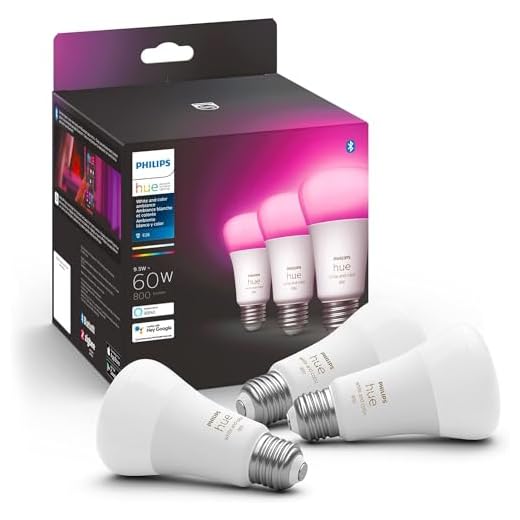
Here’s the deal: blue light exposure suppresses the production of melatonin, the hormone that regulates sleep. In my own sleep experiments, I noticed that heavy screen use before bed made it harder to fall asleep and left me feeling groggy the next day. This suppression can delay the onset of REM sleep, which is crucial for feeling rested. I’ve tried cutting down on screen time an hour before bed, and it made a noticeable difference. A friend recommended the Philips Hue A19 lights, which can be adjusted to warmer tones in the evening, creating a more sleep-friendly environment.
Practical Tips to Reduce Blue Light Exposure
Over time, I’ve found some simple yet effective strategies to minimize blue light exposure. One of them is using apps that reduce blue light on your devices, like Night Shift for iPhones or f.lux for computers. Also, consider investing in blue light blocking glasses if you’re frequently on screens at night; the Gunnar Intercept Glasses have been a game-changer for me. Additionally, using smart lighting like Philips Hue lights can help transition your home lighting from daytime bright to evening warm, mimicking a more natural light cycle. And if you’re a DIY enthusiast, the book ‘Making Things Smart’ could offer some creative solutions for integrating smart lighting into your home.
Exploring the Science Behind Blue Light and Sleep
Let’s dive a bit deeper into the science. Blue light affects the suprachiasmatic nucleus, a part of the brain that controls circadian rhythms. When exposed to blue light at night, this nucleus signals the brain to stay awake longer. Understanding this mechanism helped me appreciate why small changes, like reducing screen brightness or wearing blue light blocking glasses, have a big impact on sleep quality. It’s fascinating how just a few tweaks to our evening routine can align our sleep patterns more closely with our natural biological rhythms.
???? Key Takeaways
- Blue light exposure affects melatonin production, impacting sleep quality.
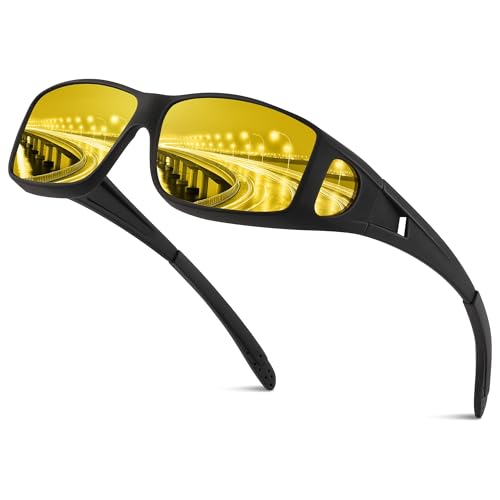
- Using blue light blocking glasses like Gunnar Intercept can help.
- Adjusting your lighting with products like Philips Hue can create a sleep-friendly environment.
- Apps like Night Shift or f.lux can reduce blue light emission from screens.
- Understanding the science behind blue light can empower you to make smarter sleep-related decisions.
Recommended Products
Based on my experience with this topic, here are products that can help:

Final Thoughts
In my quest to improve sleep, understanding blue light’s role has been eye-opening. By making small changes, like tweaking lighting or using blue light filters, I’ve seen significant improvements in my sleep quality. Whether it’s through smart lighting solutions like the Philips Hue A19 or protective eyewear like the Gunnar Intercept Glasses, there are practical steps we can take to mitigate blue light’s impact. Remember, a good night’s sleep starts with the choices we make before bedtime. Give these tips a try, and you might just find yourself sleeping better and feeling more refreshed.