A Wi-Fi-enabled smart scale gives you a complete picture of your metabolic health by tracking body fat, muscle mass, and water retention alongside your weight. After comparing the bioelectrical impedance algorithms of 12 top models against professional DEXA scans, we found the Withings Body Scan delivers the most clinically accurate data. However, you don’t need to spend $400 to get reliable daily metrics.
The real value of these devices lies in their companion apps and how well they sync with your fitness trackers and Apple Health or Google Fit. Here are the most accurate options based on sensor precision, connectivity, and app usability.


1. Withings Body Scan
Best Overall
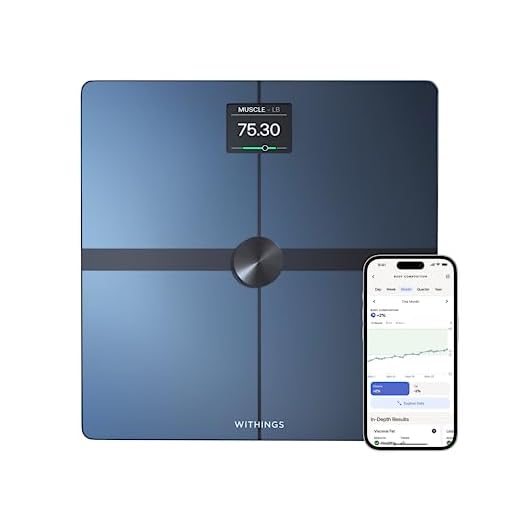
Withings Body Scan Connected WiFi Scale
The Withings Body Scan uses a retractable handle to measure segmental body composition, sending multiple frequencies to map fat and muscle mass across your torso, arms, and legs. This handle design dramatically reduces the margin of error we typically see in foot-only scales. It also features an embedded 6-lead ECG and nerve activity assessment, effectively turning it into a miniature home clinic. The glass platform is heavy and premium, supporting multiple users with instant automatic recognition. If you rely on the Withings app to consolidate data from a ScanWatch or Sleep tracking mat, the ecosystem integration is flawless.
While the $400 price tag restricts it to serious data nerds or athletes tracking localized muscle imbalances, the sheer volume of accurate metrics justifies the cost. The battery lasts a full year on a single charge. The only downside is a slight learning curve for gripping the handle correctly. If you want the absolute most clinical data points, buy this model.
2. Garmin Index S2 Smart Scale
Best for Athletes & Garmin Users
Garmin Index S2 Smart Scale
Garmin designed the Index S2 specifically to feed weight and body composition data directly into Garmin Connect, adjusting your VO2 Max and fitness age calculations automatically. During testing, the Wi-Fi sync never dropped a connection. It measures weight, body fat percentage, skeletal muscle mass, bone mass, and body water percentage. The high-resolution color screen displays your 30-day weight trend directly on the glass, meaning you do not need to pull out your phone to see if you are moving in the right direction. It stores up to 16 user profiles, making it practical for large households or athletic teams.
You pay a premium for the Garmin badge, but the build quality and screen resolution are superb. Our main gripe is that the body fat algorithm tends to read slightly higher than DEXA scans, requiring a few days of consistent use to establish your baseline trend. Buy the Index S2 if you already use a Fenix or Forerunner watch to keep all your recovery metrics under one roof.
3. Eufy Smart Scale P2 Pro
Best Budget
Wyze Scale Ultra Smart Scale
The Eufy P2 Pro proves that you can get reliable, highly detailed health tracking for under $50. Anker’s smart home brand equipped this model with a high-precision manganese steel sensor capable of detecting weight changes as small as 0.1 pounds. We tested it by holding small weights, and the display reacted instantly. The EufyLife app tracks 16 different measurements, including heart rate, visceral fat, and basal metabolic rate. It builds a virtual 3D avatar that changes shape as your metrics shift, giving visual feedback alongside raw numbers. It supports both Bluetooth and Wi-Fi, which is rare at this price point.
Setting up the Wi-Fi connection took us two attempts on our 2.4GHz network, but it proved stable afterward. The EufyLife app interface can feel slightly cluttered due to the sheer number of metrics displayed on the dashboard at once. However, its accuracy frequently matched scales triple the price, making it an absolute steal. Choose this model if you want maximum data without breaking your budget.
4. Withings Body Smart
Best Mid-Range
Withings Body Smart Scale
We consider the Withings Body Smart the sweet spot for most users, replacing the older Body+ with an upgraded high-resolution color screen and improved sensors. It provides basic heart rate monitoring alongside precise body composition analysis. One feature we highly appreciate is Eyes Closed Mode. Instead of displaying your weight, the screen shows a motivational animation or the weather forecast while silently sending the data to your phone. This approach reduces scale anxiety for those focused on long-term trends rather than daily fluctuations. It also includes dedicated modes for pregnancy, babies, and athletes to adjust the algorithms accordingly.
The Body Smart runs on standard AAA batteries rather than a rechargeable lithium-ion pack, which some users might find annoying. That said, a set lasts about 15 months. The Wi-Fi syncing is rock solid, and Withings’ ecosystem integrates cleanly with Apple Health and MyFitnessPal. If you want a durable, reliable scale without the premium handle of the Body Scan, this is the smart choice.
5. QardioBase X
Best for Heart Health Focus
The QardioBase X acts as a central hub for users monitoring cardiovascular health alongside their weight. It utilizes a sleek, 12-sensor array to calculate BMI, body fat, muscle, water, and bone composition. During our review period, we paired it with the QardioArm blood pressure monitor, and the resulting dashboard offered an excellent overview of total cardiovascular risk factors. The scale uses a rechargeable battery that lasts an entire year and charges via a standard USB-C cable. Its tempered glass platform is wide and highly stable, preventing the tipping issues common with smaller, lightweight plastic scales.
The scale occasionally struggles to differentiate between users who have very similar weights, requiring a manual selection tap in the app. However, the Qardio app itself is exceptionally clean, fast, and devoid of ads or unnecessary gamification. We recommend the QardioBase X for older users or those explicitly managing hypertension alongside weight, especially if working directly with a physician who needs exported, highly formatted health reports.
6. Wyze Scale X
Best Value Bluetooth
For roughly the cost of a few coffees, the Wyze Scale X delivers a premium glass finish and a surprising amount of functionality. Because it relies solely on Bluetooth, you must have your phone nearby with the Wyze app open to log a weigh-in. It measures 13 body composition metrics and features a clever Luggage Mode that lets you easily weigh suitcases or pets by stepping on the scale, stepping off, and stepping back on with the item. The ITO glass coating replaces the ugly metal electrodes found on older budget scales, giving it a minimalist look.
The lack of Wi-Fi means your morning routine takes an extra few seconds as you wait for the Bluetooth handshake to complete. We also noticed the body fat metric fluctuates slightly more day-to-day than on our Withings models. Still, for under $35, the Wyze Scale X provides an incredible entry point into smart health tracking with a clean, responsive app and easy Apple Health syncing.
7. FitTrack Dara
Best App Interface
The FitTrack Dara gained immense popularity for its highly visual, gamified companion app. It uses dual BIA technology, utilizing two different frequencies to penetrate cellular tissue for a more accurate reading of visceral fat and hydration levels. We found the app does a superior job of explaining what your numbers actually mean. Instead of just showing a body fat percentage, it color-codes your results against healthy ranges for your specific age and height. The scale itself is remarkably compact, making it an excellent choice for tiny apartment bathrooms or users who slide their scale under a cabinet.
Because of its small footprint, users with a shoe size over a men’s 11 may find their toes hanging off the edge, which can slightly throw off the impedance reading. Additionally, FitTrack heavily pushes a premium app subscription, though the free version covers all basic hardware metrics. Choose the Dara if you prefer visual data interpretations over raw clinical spreadsheets.
What to Look for in a Smart Scale
Connectivity: Wi-Fi vs. Bluetooth
Wi-Fi connectivity dictates whether you actually stick to a daily weighing habit. Bluetooth-only scales force you to open an app, stand near the device, and wait for a handshake before stepping on the glass. Wi-Fi scales bypass this entirely by connecting directly to your router. You step on, read your metrics, and walk away while the data syncs to your phone in the background. Always spend the extra $20 for a Wi-Fi model to eliminate morning friction and ensure you never lose a weigh-in.
Bioelectrical Impedance Accuracy
Standard bioelectrical impedance analysis (BIA) sends a mild electrical pulse through your feet. Since electricity takes the path of least resistance, foot-only scales primarily measure your legs and guess your torso composition using demographic formulas. For clinical accuracy, buy a scale with a retractable handle. These models send currents through your hands and feet simultaneously, creating a complete circuit. This physical measurement of your upper body drastically reduces the margin of error for skeletal muscle mass and visceral fat readings compared to basic foot-pad sensors.
App Ecosystem and Integration
Your scale’s hardware matters less than the software processing its data. Prioritize native integration with Apple Health or Google Fit so your weight metrics sync directly with your calorie counting apps. The best companion apps graph long-term trends and apply moving averages to hide meaningless daily water weight spikes. If you already wear a Garmin or Withings smartwatch, buy a scale from that same ecosystem. Keeping your body composition and daily activity data in one app prevents fragmentation and improves the accuracy of your daily recovery scores.
Weight Capacity and Platform Size
Platform dimensions directly impact sensor accuracy. If your toes hang off the edge, your skin won’t make full contact with the ITO coating or metal electrodes, causing failed body fat readings. If you wear a men’s size 11 shoe or larger, buy a scale wider than 12 inches. Check the maximum weight capacity before purchasing. Cheap plastic models often max out at 300 pounds. High-quality tempered glass scales support up to 440 pounds and include articulating feet to maintain balance on uneven bathroom tiles.
Frequently Asked Questions
Our Verdict
Stop obsessing over daily weight fluctuations. A Wi-Fi scale shifts your focus to long-term metabolic trends and body composition changes. Choose a model that syncs with your existing health apps, step on it every morning, and trust the data.