Meditation apps are dead; hardware is the only effective way to force nervous system regulation without staring at a screen. In our testing, we spent months evaluating devices that use haptics, infrasonic sound, and biofeedback to bypass an overactive mind. The reality is that no single device does it all. A sternum-placed resonator works best for acute anxiety, while a smart ring handles passive lifestyle adjustments. Here is exactly how the top relaxation devices perform in the real world.
Top Picks
These are the devices that actually deliver measurable shifts in nervous system regulation and sleep quality.



Portable Sensate Relaxation Device for Stress Relief
Developed after five years of R&D, this palm-sized stone rests on your chest and uses patented infrasonic sound resonance to passively stimulate the vagus nerve. You feel a baseline shift in physical tension in exactly 10 minutes.
The low-frequency vibrations sync with audio tracks on your phone, creating a heavy, grounded sensation. Because it relies entirely on gravity, you must lie flat on your back to maintain sternum contact.
Verdict
Best for Passive Vagus Nerve Stimulation. Buy this if you struggle with racing thoughts and need a purely physical intervention to calm down.
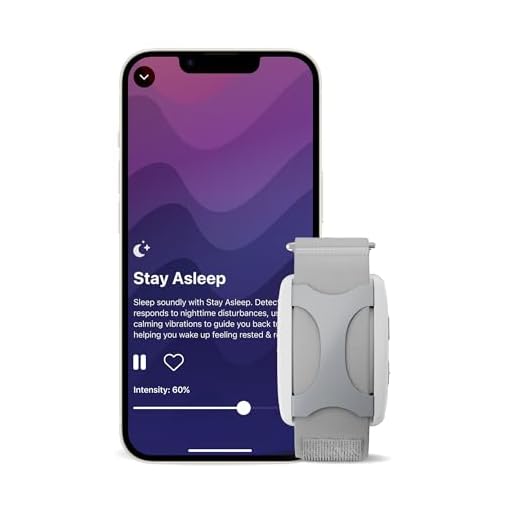
Apollo Neuro Wearable
Apollo is a wearable built to alter your nervous system throughout the day. Its SmartVibes AI detects and prevents unwanted wake-ups, adding up to 60 minutes of nightly sleep.
Wearing it on the ankle at night effectively extends deep sleep stages. With an 8-hour battery life and a 3-5 hour daily use recommendation, you must maintain a strict daily charging routine.
Verdict
Most Versatile for All-Day Stress Management. Buy this if you want passive, all-day stress management without stopping what you are doing.
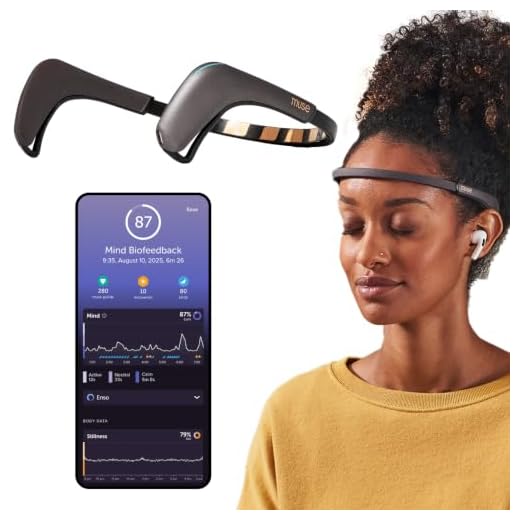
Muse 2 Brain-Sensing Headband
MUSE 2 brings clinical-grade EEG technology to a consumer headset. Tracking brain activity in real-time removes the guesswork from meditation, providing a concrete calm score after every session.
Hearing your wandering mind translated into the sound of a stormy weather front creates a profound biofeedback loop. The frontal EEG sensors require perfect skin contact; sweat, makeup, or hair will break the connection mid-session.
Verdict
Best for Biofeedback-Guided Meditation. Buy this if you are a data-driven person who gets frustrated wondering if you are meditating correctly.
Therabody SmartGoggles (2nd Gen)
These goggles use a biometric sensor to customize a 15-minute treatment of heat, compression, and vibration that actively lowers your heart rate.
The firm temple compression effectively relieves end-of-day eye strain, while the 100% blackout environment forces immediate sensory deprivation. The rigid plastic housing and protruding front motor make side-sleeping impossible.
Verdict
Best for Eye Strain and Headache Relief. Buy this if you suffer from daily screen fatigue or tension headaches and need targeted physical relief.
Oura gathers data from over 20 biometrics directly from the blood vessels in your finger, providing clear insights into sleep architecture and stress.
The data accuracy for body temperature and sleep staging is unparalleled, often spotting oncoming illnesses before symptoms hit. Without the mandatory $5.99 monthly membership, the ring functions only as a generic step counter.
Verdict
Most Detailed Sleep and Recovery Tracker. Buy this if you want the most accurate, invisible sleep and recovery data and don’t mind a subscription.
Hatch Restore 3 Sunrise Alarm Clock & Sound Machine
The Restore 3 removes your phone from the bedside table, leveraging 80+ science-backed sounds and a gradual sunrise alarm to align your circadian rhythm.
Waking up gently over 30 minutes eliminates cortisol spikes from blaring alarms. To access unconventional meditations and full audio pairings, you must pay a $49.99 annual subscription.
Verdict
Best for Building Healthy Sleep Routines. Buy this if you are trying to banish your smartphone from your bedroom to fix your sleep hygiene.
This handheld wooden orb acts as a physical anchor, using soft haptic vibrations and light to guide breathing while embedded ECG sensors measure heart rate.
Holding the heavy sphere gives restless hands a job, making 15-minute sessions easier. You must sit upright with both thumbs perfectly placed on the metal ECG nodes, preventing you from lying down.
Verdict
Best Handheld Meditation Device. Buy this if you have a highly restless mind and need a physical, tactile anchor to stay focused.
Morphée Meditation & Sleep Aid Device
Morphée is a completely disconnected, screen-free sound machine housing 210 guided meditation sessions accessed by turning physical brass keys.
The tactile experience of selecting a theme, session, and duration is grounding, and it boots up instantly without Wi-Fi. It lacks a headphone jack or Bluetooth, meaning you must play sessions aloud.
Verdict
Best Screen-Free Guided Meditation Device. Buy this if you want a massive library of guided meditations completely severed from the internet.
Understanding Vagus Nerve Stimulation
Devices like the Sensate and Apollo Neuro focus on the vagus nerve, which acts as the brake pedal for your nervous system. By applying specific low-frequency vibrations to your sternum or wrist, these devices mimic the biological signals of safety. This is a purely physiological intervention. If you find traditional meditation frustrating because you can’t clear your mind, vagus nerve stimulators bypass the brain entirely and force your body into a relaxed state.
The Reality of Subscriptions
Hardware cost is rarely the final price in the digital wellness category. The Oura Ring Gen3 requires a $5.99 monthly membership to view your granular biometric data, while the Hatch Restore 3 locks its premium meditations behind a $49.99 annual paywall. When budgeting for a device, look at the required app ecosystem. Devices like the Morphée and Sensate operate on a one-time purchase model, which is highly preferable if you suffer from subscription fatigue.
Wearables vs. Session Devices
Consider your daily friction points. If you have 15 minutes to spare in a quiet room, a session-based device like the MUSE 2 headband or Therabody SmartGoggles will provide an intense, focused intervention. However, if your stress is chronic and your schedule is packed, an all-day wearable like the Apollo Neuro is vastly superior. It runs quietly in the background, requiring no dedicated time out of your day to work.
Biofeedback Mechanics Explained
Not all biofeedback is the same. The Core Trainer uses ECG sensors on your thumbs to track your pulse, which is great for breath pacing. The Oura Ring uses optical blood flow sensors for deep overnight recovery metrics. The MUSE 2 uses EEG sensors to actually read electrical brainwaves. Choose the sensor that aligns with your goal: heart rate for physical anxiety, EEG for mental focus, and optical rings for systemic sleep tracking.
The Screen-Free Bedroom Rule
If your primary goal is sleep optimization, bringing another smartphone-connected device into your bed is a mistake. Devices like the Morphée Sound Machine and Hatch Restore 3 exist specifically to sever your reliance on a screen. By relying on physical dials, keys, or pre-programmed routines, they prevent the inevitable doom-scrolling that occurs when you pick up your phone to launch a meditation app at 11 PM.
Frequently Asked Questions
Stop relying on apps to fix screen-induced stress. Choose a device that matches your needs—Apollo for daily wear, Oura for data, or Sensate for acute anxiety. Buy your preferred device today and use it daily for two weeks.