Dealing with daily anxiety can feel like an endless loop of racing thoughts and physical tension. Many people try meditation or deep breathing exercises but struggle to quiet their minds on their own. The physical symptoms of stress often require a physical intervention to break the cycle. Wearable technology and smart home devices have stepped in to fill this gap. These tools offer tangible ways to calm the nervous system without relying solely on willpower.
The market for stress relief tech has grown rapidly over the past few years. You can now find everything from vibrating wearables to smart sleep masks that block out the world. Devices like the Sensate Relaxation Device use sound therapy and vibrations to soothe the body. Others like the Apollo Neuro Wearable provide gentle pulses that help regulate your nervous system throughout the day. Finding the right tool depends heavily on how your anxiety manifests physically.
We spent time testing the top options available to see which ones actually deliver on their promises. Our review process looked at ease of use, comfort, and the actual science backing each product. Some devices require a monthly subscription to unlock their full potential, while others work right out of the box. We broke down the features of eight popular models to help you make an informed decision. Read on to discover which relaxation device fits your lifestyle and budget.




#1 Sensate Relaxation Device – Sound Therapy and Theraputic Vibrations
Portable Sensate Relaxation Device for Stress Relief
The Sensate Relaxation Device is a wearable pebble that rests on your chest to deliver calming vibrations. It targets people who hold physical tension in their chest and struggle to relax through traditional meditation. The device pairs with an app to play synchronized soundscapes while it vibrates. You simply lie down, place the device on your breastbone, and let the session run. It appeals to anyone who needs a quick reset during a stressful workday. The physical sensation provides an immediate anchor for a wandering mind.
Sensate relies on patented infrasonic technology to gently soothe your nervous system. The manufacturer claims it can provide instant relaxation in as few as ten minutes. Users report improvements in both sleep quality and resting heart rate after consistent use. The device uses sound resonance therapy to condition the relaxation response over time. It avoids the discomfort associated with some medical devices that send electrical currents through the body. The underlying technology was developed by an integrated healthcare practitioner based on thirty years of clinical practice.
Compared to other wearables on this list, Sensate requires you to be stationary during use. You cannot wear it while walking around the office or running errands. This makes it a dedicated relaxation tool rather than a passive background device like the Apollo Neuro. It works exceptionally well for dedicated wind-down routines before bed. The lack of electrical stimulation makes it a comforting option for sensitive users. If you want a fast way to break a panic cycle at home, this device offers a highly effective physical intervention.
#2 Apollo Neuro Wearable & 12-Month SmartVibes AI Membership – Sleep Aid
Apollo Neuro Wearable & 12-Month SmartVibes AI Membership -
The Apollo Neuro Wearable is a versatile device that delivers gentle, soothing vibrations to your body. It caters to busy professionals and parents who need stress relief while on the move. You can wear the lightweight pod on your wrist, strap it to your ankle, or clip it to your clothing. The device operates quietly in the background while you go about your daily tasks. It provides a physical reminder to breathe and stay grounded during chaotic moments. The unobtrusive design makes it easy to wear in public without drawing attention.
This non-invasive and drug-free tool supports your nervous system naturally through touch therapy. The device runs for up to eight hours on a full charge. The manufacturer recommends using it for three to five hours per day to achieve the best results. It includes a pre-activated twelve-month SmartVibes AI membership right out of the box. This advanced wearable wellness AI adapts to your body to help you get up to sixty more minutes of nightly sleep. The vibrations shift based on whether you need to focus, relax, or fall asleep.
The Apollo Neuro stands out because it allows for continuous, passive use throughout the day. You do not have to stop what you are doing to experience its calming effects. This contrasts sharply with devices like the Sensate or MUSE 2 that require dedicated session times. The inclusion of the AI membership adds significant value during the first year of ownership. However, you will need to consider the ongoing subscription cost once the initial twelve months expire. It remains a top choice for people who want constant, subtle support for their anxiety.
#3 MUSE 2: The Brain Sensing Headband – EEG MUSE Headband Meditation
The MUSE 2 is a smart headband that functions as a personal meditation coach. It targets individuals who struggle to know if they are meditating correctly. The device uses advanced sensors to monitor your brain activity, heart rate, and breathing patterns. It translates this data into real-time audio feedback through your headphones. When your mind wanders, the weather sounds intensify to bring your attention back to the present. When you achieve a calm state, you hear peaceful sounds like chirping birds.
This wearable neurofeedback device requires you to position the sensors directly against your skin. It works right out of the box to provide core EEG-powered feedback and session tracking. After each session, the companion app provides you with a specific calm score. You can track your progress over time to improve your meditation practice. The technology is backed by research from prestigious institutions and neuroscience researchers. An optional premium subscription is available if you want access to additional guided content.
MUSE 2 takes a highly active approach to relaxation compared to passive wearables. It demands your full attention and requires you to actively participate in the meditation process. If you just want to press a button and feel relaxed, a vibrating device might suit you better. However, if you want to train your brain to handle anxiety better long-term, this headband provides excellent data. The real-time audio cues make it much easier to catch a wandering mind. It serves as a fantastic training tool for building a sustainable mindfulness habit.
#4 Therabody SmartGoggles
The Therabody SmartGoggles are a high-tech heated eye mask that combines massage with sensory deprivation. They appeal to people who suffer from tension headaches alongside their anxiety. The device wraps around your head and covers your eyes completely to block out the world. It uses a combination of heat, vibration, and physical compression to soothe facial tension. You can use it lying in bed or sitting back in a comfortable chair after a long day. The physical pressure around the temples provides a deeply grounding sensation.
This second-generation model features a new blackout design that creates an ideal environment for deep relaxation. The contoured cushions ensure maximum comfort while blocking out all ambient light. It offers three customizable preset treatments for personalized relaxation and headache relief. The device promises to deliver noticeable tension relief in fifteen minutes or less. A built-in biometric sensor powers the SmartRelax treatment mode. This specific feature personalizes the vibration patterns to match and lower your heart rate.
These goggles offer a completely different experience than wrist wearables or chest devices. They force you to close your eyes and disconnect from your surroundings entirely. This makes them highly effective for stopping a panic attack or winding down before sleep. You cannot use them while working or watching television due to the blackout design. They compete closely with traditional sound machines but add a crucial physical massage element. If visual stimuli trigger your anxiety, this sensory deprivation tool provides an excellent escape.
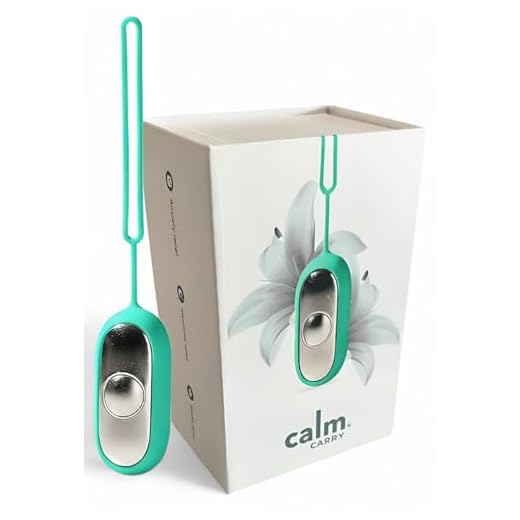
#5 Glowco CalmCarry Sleep Aid Device – Handheld Microcurrent Relaxation
Glowco CalmCarry Sleep Aid Device
The Glowco CalmCarry Sleep Aid Device is a compact, handheld microcurrent tool. It caters to individuals who experience severe anxiety at night and struggle to fall asleep. You hold the small device in the palm of your hand while resting in bed. It delivers gentle microcurrent pulses that stimulate the neural pathways in your hand. This physical stimulation distracts the brain from racing thoughts and promotes a sense of calm. The discreet size makes it easy to keep on your nightstand or pack in a travel bag.
This handheld relaxation tool focuses entirely on microcurrent therapy to support better sleep. The gentle pulses travel from your hand to your central nervous system to encourage relaxation. You can adjust the intensity of the pulses to match your personal comfort level. It operates silently, so it will not disturb a sleeping partner in the same bed. The device requires no complicated setup or smartphone pairing to function. You simply turn it on, hold it in your palm, and close your eyes.
The CalmCarry offers a much simpler approach than app-connected devices like the MUSE 2 or Apollo Neuro. It lacks data tracking and biometric sensors, focusing purely on immediate physical sensation. This simplicity is a major advantage for people who want to avoid screens before bedtime. It is also significantly more affordable than the heavy-duty wearables on this list. If you tend to clench your fists when anxious, holding this device provides a helpful physical release. It serves as a straightforward, accessible tool for nightly stress management.
#6 Hatch Restore 3 Sunrise Alarm Clock, Sound Machine, Smart Light
Hatch Restore 3 Sunrise Alarm Clock, Sound Machine, Smart Light
The Hatch Restore 3 is a smart sleep companion that combines a sound machine with a sunrise alarm clock. It targets people whose anxiety peaks right before bed or immediately upon waking. The device sits on your nightstand and helps you build a consistent, calming bedtime routine. It uses soft lighting and curated audio to signal to your brain that the day is over. The sleek putty-colored design blends nicely with modern bedroom decor. It replaces jarring smartphone alarms with a much gentler waking experience.
This device helps you quiet your mind so you can fall asleep faster and easier. It features over eighty science-backed sleep sounds to tune out disruptions and improve sleep quality. The dimmable clock display ensures your room stays dark enough for restful sleep. In the morning, the sunrise alarm clock gradually brightens to support your natural circadian rhythm. This gentle waking process helps you start the day feeling refreshed rather than startled. The purchase includes a thirty-day free trial of the Hatch+ premium content subscription.
The Restore 3 focuses entirely on the bedroom environment rather than wearable therapy. It cannot help you manage a stressful meeting at work like the Apollo Neuro can. However, it excels at creating a sanctuary that prevents nighttime anxiety from taking hold. The combination of light and sound therapy provides a highly effective wind-down experience. You will need to decide if the ongoing subscription is worth the expanded audio library. For those who dread the morning alarm, the sunrise feature alone makes this device a worthy investment.
#7 Core Meditation Trainer: Meditation Device for Relaxation, Stress
Core Meditation Trainer: Meditation Device for Relaxation,
The Core Meditation Trainer is a handheld device that makes meditation more tangible. It appeals to users who find traditional seated meditation too abstract or frustrating. The device features a beautiful natural wood exterior that looks like a piece of modern art. You hold the spherical trainer in both hands while following along with guided sessions. It provides a physical focal point to keep your mind from wandering into anxious territory. The tactile experience of holding the wood adds a grounding element to your practice.
This trainer pairs directly with the Core app on your mobile device via Bluetooth. As you hold it, soft vibrations and gentle lights guide your breathing patterns. Built-in ECG biosensors continuously measure your heart rate throughout the meditation session. After you finish, the app displays detailed feedback so you can see your personalized baseline. This data helps you track how your physical relaxation improves over time. A premium subscription delivers unlimited access to an expanding library of daily studio classes.
Core bridges the gap between passive vibration devices and active brain-training headbands. It requires you to sit down and focus, but the vibrations make that focus much easier to maintain. The handheld design feels more natural to many users than wearing a headband like the MUSE 2. The inclusion of ECG sensors provides valuable biometric data without feeling overly clinical. You do need to use it alongside your smartphone, which might distract some users. It remains a beautiful, effective tool for building a consistent breathing practice.
#8 Morphée | Sound Machine for Sleep with Meditation | White Noise &
Morphée | Sound Machine for Sleep with Meditation | White Noise
The Morphée Sound Machine is a unique, screen-free audio device dedicated to sleep and meditation. It targets people who want to remove smartphones and glowing screens from their bedrooms entirely. The device features a charming, analog design with tactile brass keys that you turn to select your session. It looks like a modern music box and operates completely offline. You can place it on your nightstand to create a relaxing environment for deep and restorative sleep. The physical act of turning the keys becomes a soothing pre-sleep ritual in itself.
This trusted sleep aid relies on sound therapy and white noise to help you fall asleep fast. It comes pre-loaded with two hundred and ten guided meditation sessions. These sessions are organized across eight different themes, including body scans and breathing exercises. The entire system is fully disconnected, emitting no waves and requiring no internet connection. It runs on a built-in battery, allowing you to move it around the house easily. The manufacturer positions it as an ideal meditation gift for anyone struggling with stress.
Morphée stands out because it completely eliminates the need for a companion app. Devices like the Core Trainer and MUSE 2 require a smartphone, which can easily lead to doom-scrolling. This machine forces you to disconnect, making it highly effective for severe nighttime anxiety. It lacks the biometric tracking and personalized data found in more advanced tech. However, for many anxious users, the absence of data tracking is actually a relief. It offers a beautifully simple, analog approach to modern stress management.
Buying Guide
Understanding Wearable Relaxation Technology
Wearable relaxation technology has grown from a niche market into a mainstream wellness category. These devices use physical sensations to communicate directly with your nervous system. When anxiety hits, the brain often ignores logical thought and focuses entirely on physical threat signals. Wearables interrupt this loop by introducing calming tactile feedback like vibrations or gentle pressure. This physical intervention helps ground the user in the present moment.
The science behind these tools often involves stimulating the vagus nerve. This major nerve acts as the control center for your parasympathetic nervous system, which manages rest and digestion. Gentle vibrations on the chest or wrist can signal to the brain that the body is safe. Over time, consistent use can actually train the nervous system to recover from stress more quickly. This process builds a higher baseline of resilience against daily triggers.
Choosing a wearable depends heavily on your daily routine and comfort preferences. Some people prefer discreet devices that can be worn under clothing during the workday. Others might want a dedicated tool that they only use during specific meditation sessions at home. You should consider whether you want a device that runs passively or one that requires active participation. Understanding your own habits will ensure you pick a tool you actually use.
The Role of Sound and Light Therapy
Sound and light therapy play a massive role in managing environmental anxiety. Our brains are highly sensitive to the sensory input in our immediate surroundings. Harsh overhead lighting and unpredictable household noises can keep the nervous system in a state of high alert. Dedicated sound machines mask these disruptive noises with consistent, soothing audio frequencies. This creates an auditory cocoon that allows the mind to finally power down.
Light therapy is equally important, especially when it comes to regulating sleep cycles. Exposure to bright blue light from screens tricks the brain into thinking it is still daytime. This suppresses melatonin production and makes falling asleep incredibly difficult. Devices that use warm, dimmable light help signal the transition from day to night. Sunrise alarms take this a step further by waking the brain gradually with natural light progression.
Combining sound and light interventions can drastically improve your evening wind-down routine. Establishing a consistent sensory environment trains your brain to associate specific sounds and colors with sleep. This classical conditioning makes it easier to overcome the racing thoughts that often accompany bedtime anxiety. You do not need complex technology to start benefiting from these therapies. Even simple adjustments to your bedroom environment can yield significant improvements in your overall stress levels.
Biometric Tracking and Neurofeedback
Many modern relaxation tools now incorporate biometric tracking to measure your physical stress levels. These sensors can monitor your heart rate, heart rate variability, and even your brainwaves. This data provides a tangible look at how anxiety affects your body in real time. For people who feel disconnected from their physical symptoms, seeing the numbers can be highly validating. It proves that their stress is a measurable physical state, not just an emotional failing.
Neurofeedback takes this data collection a step further by using it to train your brain. By listening to audio cues that change based on your brain activity, you learn to recognize when your mind wanders. This real-time feedback loop accelerates the learning curve for traditional meditation practices. You quickly figure out exactly what mental state triggers the relaxation response. Over weeks of practice, you can learn to access this calm state more easily on your own.
However, biometric tracking is not the right choice for everyone dealing with anxiety. Some individuals become obsessed with their scores and feel more stressed when their metrics drop. If tracking your heart rate makes you anxious, you should avoid devices with heavy data integration. The goal of these tools is to provide relief, not another metric to worry about. Always prioritize how a device makes you feel over the data it produces.
Establishing a Sustainable Routine
Buying a relaxation device is only the first step in managing daily anxiety. The real benefits come from integrating the tool into a consistent, sustainable routine. Using a device once during a panic attack can help, but preventative use is far more effective. You need to train your nervous system when you are already relatively calm. This builds the neural pathways required to bring yourself down from a highly stressed state later.
Start by carving out just ten minutes a day for dedicated relaxation practice. You might choose to use your device right after waking up or immediately before getting into bed. Consistency matters much more than the duration of the session. If you try to force a thirty-minute meditation every day, you will likely abandon the practice entirely. Small, manageable habits are the key to long-term success in stress management.
Finally, remember that no single device can cure anxiety completely. These tools are meant to be part of a broader mental health strategy. They work best when combined with healthy sleep habits, regular exercise, and professional therapy if needed. Think of your relaxation device as a set of training wheels for your nervous system. Eventually, you will build the internal skills necessary to find calm without relying entirely on the technology.
Final Verdict
Finding the right relaxation device can significantly alter how you manage daily stress and anxiety. The Sensate and Apollo Neuro offer excellent wearable solutions for people who need physical, tactile reassurance throughout the day. If you want to actively train your brain and track your progress, the MUSE 2 provides unparalleled neurofeedback. Those who suffer from tension headaches will find the Therabody SmartGoggles incredibly soothing after a long day.
For nighttime anxiety, the Hatch Restore 3 and Morphée machines excel at creating a peaceful bedroom environment. The Core Meditation Trainer is a beautiful option for those who want a tactile focal point during guided breathing exercises. Meanwhile, the Glowco CalmCarry offers a simple, budget-friendly way to distract a racing mind before sleep. Whichever tool you choose, consistent use will help you build a more resilient nervous system over time.