Mastering Fitness Tracker Data Accuracy

You know that feeling when you’re absolutely sure you’ve walked at least 10,000 steps, but your fitness tracker says otherwise? Yeah, me too. That’s why understanding fitness tracker data accuracy is so important. It’s not just about logging numbers; it’s about getting reliable insights into your health and fitness journey. So, let’s dive into how these little wrist companions work and how to ensure they’re giving us the right info.
How Fitness Trackers Measure Data
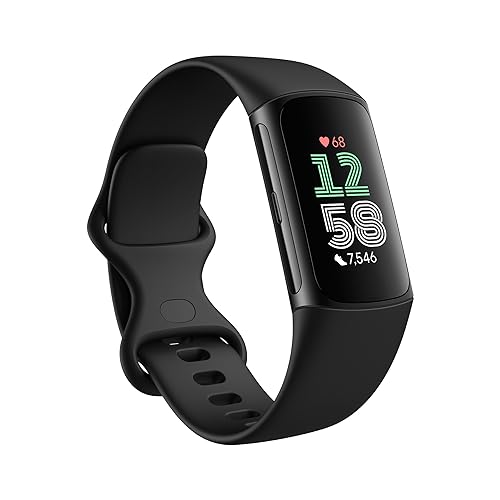
So, how do these sleek devices actually track our every move? Fitness trackers use a combo of sensors like accelerometers and gyroscopes to monitor your motions. In my experience, the Apple Watch Series 11 nails this by providing a detailed breakdown of my daily activities, from running to yoga. But not all trackers are created equal. Some, like the Fitbit Charge 6, are more budget-friendly but still offer reliable step counting and heart rate monitoring. The key is understanding what each sensor measures and how accurate it tends to be. For instance, GPS-based devices like the Garmin Forerunner 955 are fantastic for outdoor runners, providing precise distance and pace data. Just remember, the more features you have, the more room there is for error. So, it’s crucial to know what you’re getting.
Factors Affecting Data Accuracy
Ever wondered why your fitness tracker gives different readings on different days? Several factors can impact data accuracy, such as the type of exercise you’re doing and even how you wear your tracker. I’ve found that wearing my tracker snugly on my wrist significantly improves heart rate accuracy. Also, some activities like cycling might require a tracker specifically designed for that sport, like the Garmin Forerunner 955, which offers dedicated cycling metrics. Moreover, software updates can also affect the performance of your device, so keeping it updated is key. Environmental factors like temperature and altitude can also play a role, albeit more subtly. Understanding these can help you make sense of any discrepancies you notice.
Improving Your Tracker’s Accuracy
Want to ensure your tracker is as accurate as possible? Start by calibrating it. Many devices, including the Apple Watch Series 11, offer options to recalibrate for better accuracy. You should also regularly check the placement on your wrist; too loose or too tight can skew results. While testing different devices, I’ve noticed that syncing your device often can also help, as it keeps the software running smoothly and corrects any data errors. If you’re using a tracker like the Fitbit Charge 6, exploring its companion app can uncover settings that fine-tune accuracy. And, if you’re into sports like running or hiking, using a GPS-enabled device such as the Garmin Forerunner 955 can dramatically improve distance and pace accuracy.
Choosing the Right Tracker for Your Needs
Not all trackers are created equal, and picking the right one can make all the difference. If you’re just getting started, something like the Fitbit Charge 6 is a great entry-level option. It’s affordable and gives you a good range of basic features. On the other hand, if you’re a serious athlete or want detailed health metrics, the Apple Watch Series 11 offers advanced features like ECG and blood oxygen monitoring. For those into endurance sports, the Garmin Forerunner 955 provides exceptional GPS and performance analytics. I’ve found it’s all about matching the device capabilities with your specific fitness goals and lifestyle.
???? Key Takeaways
- Understand the sensors in your fitness tracker for better data interpretation.
- Factors like how you wear your tracker can impact accuracy.
- Regular calibration and software updates enhance device performance.
- Choose a tracker that aligns with your specific fitness needs.
- GPS-enabled devices offer more precise tracking for outdoor activities.
Recommended Products
Based on my experience with this topic, here are products that can help:


Final Thoughts
Navigating the world of fitness tracker data accuracy can feel overwhelming, but with the right knowledge, you can make the most of your device. Whether you’re using a basic Fitbit Charge 6 or a feature-rich Garmin Forerunner 955, the key is understanding how these devices work and what influences their accuracy. By taking these steps, you can trust the numbers you see, making your fitness journey both effective and enjoyable. So, happy tracking, and may your steps always be counted accurately!