
How to Set Fitness Goals with a Tracker Easily
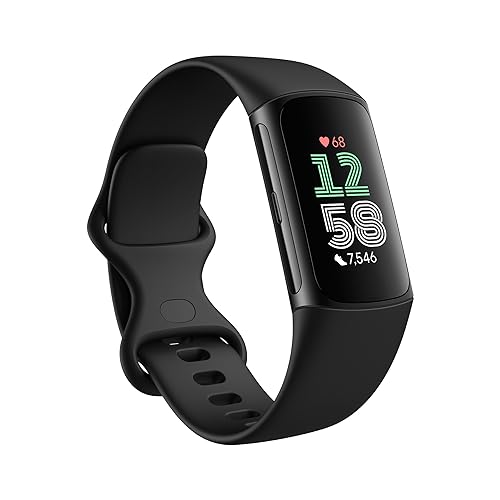
Setting fitness goals can be a game-changer in your health journey. But, how do you set goals that are realistic and trackable? That’s where fitness trackers come in. I’ve been using trackers like the Fitbit Charge 6 to not only monitor my progress but also adjust my goals as needed. In this guide, I’ll share step-by-step how you can do the same and why it’s so effective.
Understanding Your Baseline
Before you set any fitness goals, it’s crucial to understand your current fitness level. In my experience, starting with a baseline gives you a clear picture of where you’re starting. For instance, using the Garmin Vivosmart 5, I’ve been able to track my heart rate and daily steps effortlessly. This data helps in setting realistic goals. Most trackers will give you insights into your average daily activity, resting heart rate, and more. Take a week to gather this data before diving into goal setting.
Set Realistic and Achievable Goals
Once you have your baseline, it’s time to set some goals. Start small; maybe aim to increase your step count by 1,000 steps per day or add a 15-minute workout session. I found that having clear, small goals keeps me motivated and less overwhelmed. If you’re using an Apple Watch Series 11, you can set activity rings to track movement, exercise, and standing goals. These rings provide a visual reminder of your progress throughout the day, which I find super motivating.
Track Progress and Adjust as Needed
Tracking your progress is where the magic happens. Regularly check your tracker to see how you’re doing. Are you consistently hitting your goals? If not, it’s okay to tweak them. The Fitbit Charge 6 makes it easy to analyze weekly trends and adjust accordingly. I’ve often found that some days I need to scale back, while other days I can push harder. It’s all about listening to your body and making data-driven decisions.
Stay Motivated with Challenges and Rewards
Staying motivated can be tough, but setting challenges and rewards can help. Many trackers, like the Garmin Vivosmart 5, offer built-in challenges that you can join with friends. Competing against friends can make fitness more fun and less of a chore. I’ve also rewarded myself with small treats for meeting goals, like a new workout shirt or a rest day. It’s important to celebrate the small wins along the way.
???? Key Takeaways
- Understand your current fitness baseline before setting goals.
- Set small, achievable goals to keep motivation high.
- Use your tracker to regularly monitor progress and adjust goals.
- Stay motivated by joining challenges and rewarding yourself.
- Fitness trackers like the Fitbit Charge 6 offer valuable insights.
- Adjust your plans based on the data collected from your tracker.
Recommended Products
Based on my experience with this topic, here are products that can help:


Final Thoughts
Setting fitness goals with a tracker makes the entire process more manageable and insightful. By understanding your baseline, setting achievable goals, and regularly tracking progress, you’re setting yourself up for success. Incorporating challenges and rewards keeps things exciting and sustainable. Whether you’re using a Fitbit, Garmin, or Apple Watch, these tools offer invaluable data to guide your fitness journey. Remember, it’s all about progress, not perfection.

