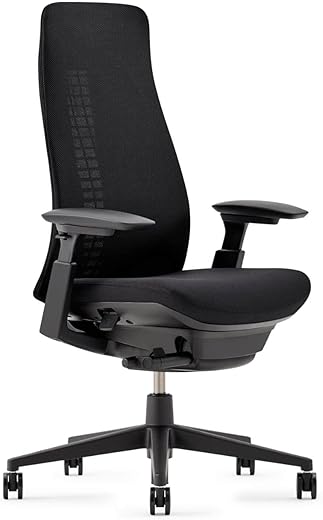
Choosing between the Haworth Fern and the Steelcase Leap V2 means deciding between two distinct ergonomic philosophies. The Steelcase Leap V2 is a proven titan in the office chair market, relying on mechanical adjustments and its patented LiveBack technology to force proper posture. Conversely, the Haworth Fern represents a modern approach, utilizing a frameless, flexible backrest inspired by a fern leaf that moves and shifts with your body. Both cost over a thousand dollars, but they cater to completely different sitting habits and comfort preferences.
The Steelcase Leap V2 is built for the hyper-focused task worker who wants every single ergonomic parameter dialed in perfectly. It features aggressive lumbar support and highly articulate 4D armrests, making it ideal for strict, upright typing sessions. The Haworth Fern, on the other hand, is designed for the active sitter who hates feeling confined. Its tall, hammock-like backrest allows for deep stretching and twisting, making it the superior choice for users who frequently shift positions or want a softer, more forgiving seating experience throughout the workday.
The Steelcase Leap V2 wins for strict ergonomic support and adjustability, making it the best choice for dedicated upright task work and those needing aggressive lower back support. The Haworth Fern wins for active sitters who prefer a taller, flexible backrest that moves with their body rather than locking them into a rigid posture. Choose the Leap for dialed-in mechanics, and the Fern for unrestrictive comfort.
Haworth Fern
Haworth Fern Ergonomic Office Chair with Lumbar Support, Adjustable Desk Computer Chair with Breathable Mesh Finish…
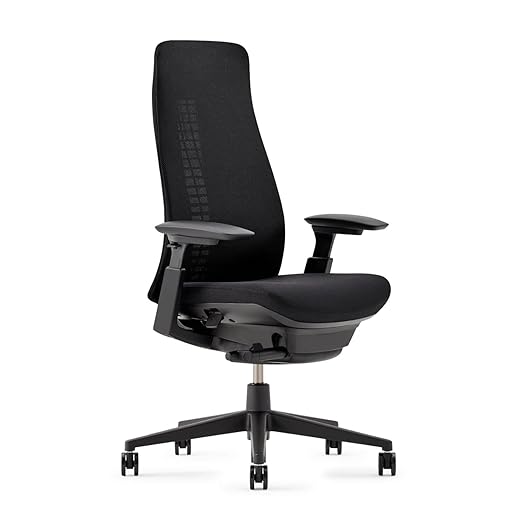
- Seat Height: 16.5 to 21.5 inches
- Weight Capacity: 325 lbs
- Backrest: Frameless 3-part flexible Endo-skeleton
- Arms: 4D adjustable (height, width, pivot, depth)
Pros:
- Tall, flexible backrest accommodates stretching and shifting
- Extremely comfortable, unrestricted seat pan design
- Aesthetically pleasing, modern design fits home offices
Cons:
- Lumbar support is an add-on and can feel overly aggressive
- Armrests are slightly less rigid than Steelcase models
Steelcase Leap V2
Steelcase Leap Office Chair – Seven Points of Adjustability – Ergonomic Back Support Chair – Lumbar Support – 4D…

- Seat Height: 16 to 20.5 inches
- Weight Capacity: 400 lbs
- Backrest: LiveBack technology with lower back firmness dial
- Arms: Highly articulate 4D adjustable
Pros:
- Industry-leading 4D armrests with massive range of motion
- Highly customizable lumbar height and lower back firmness
- Exceptional build quality with a 12-year daily use warranty
Cons:
- Seat pad foam is notably thin and causes tailbone fatigue for some
- Backrest is shorter and lacks upper shoulder support for tall users
Backrest Design and Comfort
The backrest is the biggest differentiator here. The Haworth Fern uses a proprietary flexible suspension system covered in mesh or fabric. It moves fluidly as you twist, making it feel remarkably unrestrictive and excellent for active sitting. The Steelcase Leap V2 utilizes a traditional rigid frame with its LiveBack system, which flexes slightly but prioritizes forcing your spine into correct alignment. Taller users will significantly prefer the Fern’s high backrest, while strict ergonomic loyalists will favor the Leap’s structured, highly adjustable approach. The Fern wins for overall comfort and flexibility.
Lumbar Support Adjustability
The Steelcase Leap V2 dominates the lumbar category. It offers dual adjustments: a sliding bar for lumbar height and a unique lower back firmness dial that controls the tension of the curve. You can dial it in precisely to your spine. The Haworth Fern offers an optional lumbar balloon insert that adjusts for height, but it lacks tension control. Many users find the Fern’s optional lumbar too aggressive or completely unnecessary given the natural curve of the flexible backrest. The Leap V2 is the clear winner for lower back support.
Seat Cushion and Depth
Both chairs feature adjustable seat depth, but their cushions feel vastly different. The Steelcase Leap V2 has a notoriously thin, dense foam seat pad. While engineered to support weight distribution over long hours, many users report bottoming out or experiencing tailbone pain. The Haworth Fern provides a thicker, more traditional foam cushion with a gentle waterfall edge that is immediately softer and more forgiving on the thighs. For users who hate firm, rigid seats, the Haworth Fern easily wins the seat comfort category.
Armrest Range and Usability
Both chairs feature fully adjustable 4D armrests, but Steelcase is famous for having the best arms in the business. The Leap V2’s armrests move fluidly in height, width, depth, and pivot, staying perfectly level as you recline. They are incredibly stable and allow you to pull them tightly into your body for typing. The Fern’s armrests are excellent, offering good range and comfortable pads, but they feel slightly clunkier to adjust and don’t pull in quite as tightly as the Leap’s. The Leap V2 takes the win here.
Recline and Tilt Mechanisms
The Leap V2 utilizes a variable stop tilt lock mechanism, allowing you to set exactly how far back you want to recline, though it doesn’t lock into a specific reclined position. Its recline keeps your sightline level, ideal for working while leaning back. The Fern uses a synchronous tilt with a multi-position back stop, which feels slightly smoother and more natural for relaxing or taking a break from the screen. The Fern wins for relaxing, while the Leap is better for working while reclined.
Frequently Asked Questions
Our Verdict
Buy the Steelcase Leap V2 for dialed-in, strict ergonomic task work and unmatched lower back support. Choose the Haworth Fern if you prefer a taller, flexible backrest, softer seat, and unrestrictive movement throughout your workday.