Debunking Myths: Blue Light Exposure Facts

We’ve all heard the buzz about blue light, right? It’s become the boogeyman of our digital age, blamed for everything from eye strain to poor sleep. But what’s the real deal? In my experience, there’s a lot of misinformation out there, and it’s time to set the record straight. This matters because understanding blue light can help us make smarter choices about our health and how we use technology.
Myth 1: Blue Light Is the Leading Cause of Eye Strain
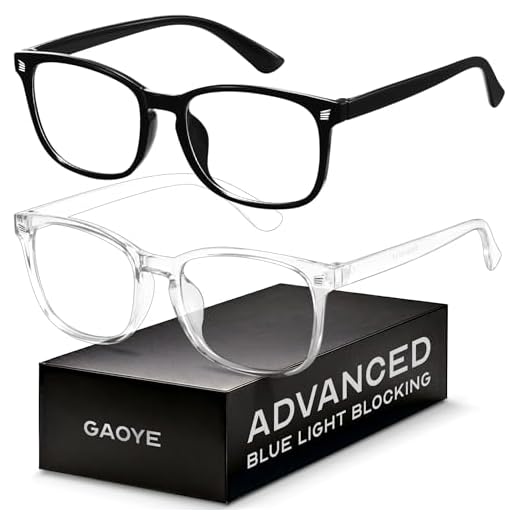
You’ve probably been told that blue light from screens is the main culprit behind that nagging eye strain. But here’s the catch—I’ve found that it’s not just blue light, but prolonged screen time in general causing the discomfort. The 20-20-20 rule (every 20 minutes, look at something 20 feet away for 20 seconds) has helped me more than anything else. For those times when you can’t escape your screen, Gaoye Blue Light Glasses are a neat solution. They’re quite affordable at $8.49 and have gotten rave reviews for reducing eye strain.
Myth 2: Blue Light at Night Ruins Your Sleep
There’s a popular belief that any exposure to blue light at night will wreck your sleep. While blue light can affect your sleep-wake cycle, the reality is more nuanced. In my experience, it’s not about eliminating blue light entirely but managing screen time before bed. I’ve tried using tools like the BenQ ScreenBar, which provides adjustable lighting for late-night work. It’s a bit of an investment at $109.00, but it’s worth it if you’re serious about reducing blue light exposure without sacrificing productivity.
Myth 3: Blue Light Is Only from Screens
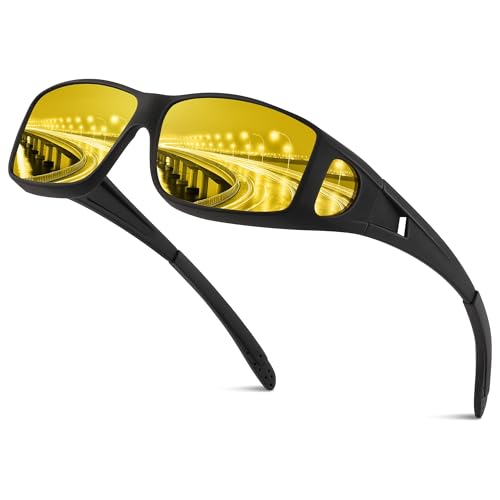
Did you know that the sun is actually the largest source of blue light? I was surprised to learn this myself. It’s not just our devices; it’s everywhere. This common misconception can lead to over-focusing on screen-based solutions while ignoring outdoor exposure. I’ve come across products like Gaoye Blue Light Glasses that are great for screen protection, but don’t forget sunglasses for outdoor protection too. Balancing both can make a significant difference in managing your overall exposure.
Understanding Blue Light in Context
Let’s get a bit technical—blue light is just part of the visible light spectrum. In my exploration, I’ve learned that blue light is essential during the day for alertness and mood. However, excessive exposure, especially late at night, can disrupt our circadian rhythm. Tools that help automate our environment, like those discussed in ‘Making Things Smart’ by MAKER MEDIA INC, can offer innovative ways to manage lighting in our homes and workspaces for better health outcomes.
???? Key Takeaways
- Blue light isn’t the sole cause of eye strain—it’s prolonged screen time.
- Managing screen time before bed is better than trying to eliminate blue light entirely.
- The sun is a significant source of blue light, not just screens.
- Tools like the BenQ ScreenBar can help reduce blue light exposure at night.
- Balance is key—use glasses for screens and sunglasses outdoors.
Recommended Products
Based on my experience with this topic, here are products that can help:


Final Thoughts
Blue light is a part of life we can’t completely escape, and thankfully, we don’t have to. Understanding the nuances of blue light exposure can help us make informed decisions without falling for common myths. Whether it’s using protective glasses or adjusting our lighting environment with smart tools, small changes can make a big difference. Let’s embrace technology wisely and keep our eyes—and minds—healthy.