
Debunking Common Sleep Myths for Better Rest

Sleep is something we all do, but how much do we really know about it? There are countless myths floating around about sleep, and some of them could be affecting how well you rest. In my experience, understanding the truth about sleep can lead to better habits and more restful nights. Let’s unravel these myths together because getting a good night’s sleep is crucial for our health and well-being.
Myth #1: You Can Catch Up on Sleep During Weekends
A lot of people think they can sleep less during the week and make up for it on the weekend. I’ve been guilty of this myself, hoping a few extra hours on a Saturday could fix my sleep debt. Unfortunately, it doesn’t quite work that way. Your body doesn’t just get back on track with two days of extra sleep. It’s more effective to maintain a consistent sleep schedule. If you’re struggling with comfort, adding a Gel Memory Foam Mattress Topper like the VALUXE can make a world of difference in improving your nightly rest.
Myth #2: Everyone Needs 8 Hours of Sleep
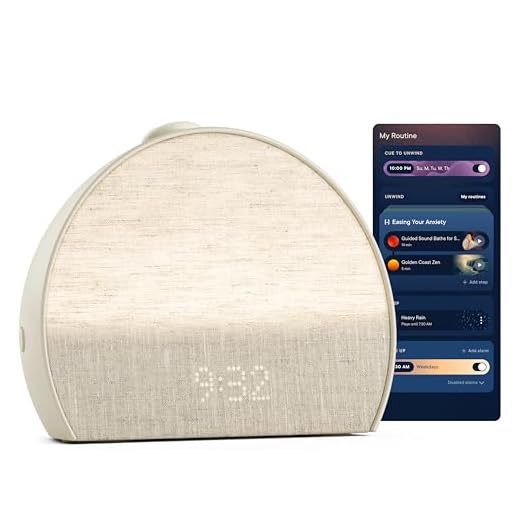
We’ve all heard that 8 hours is the magic number for sleep. But in reality, sleep needs can vary greatly depending on the individual. For some, 7 hours might be perfect, while others might need 9. In my experience, paying attention to how you feel after different amounts of sleep is more telling than strictly adhering to the 8-hour rule. Keeping track of your sleep patterns with a tool like the Hatch Restore 3 can help you find what works best for you.
Myth #3: Snoring Is Harmless
Snoring might seem like a harmless habit, but it can be a sign of a more serious condition like sleep apnea. I once thought my partner’s snoring was just a quirky trait, but it turned out to be something we needed to address for his health. If you’re a habitual snorer, it might be worth consulting a doctor to rule out any underlying issues. A healthier sleep environment, such as using supportive bedding, can also contribute to reducing snoring.
Myth #4: Alcohol Helps You Sleep
Many believe that a nightcap can help with sleep, but alcohol actually disrupts your sleep cycle. I’ve noticed that nights with alcohol often result in waking up feeling less refreshed. Alcohol may help you fall asleep faster, but it reduces REM sleep, which is crucial for feeling rested. If winding down is your goal, consider alternatives like a calming routine with the Hatch Restore 3 that offers soothing sounds and gentle light settings instead of reaching for that glass of wine.
???? Key Takeaways
- Catching up on sleep during weekends doesn’t compensate for weekday sleep loss.
- Sleep needs vary; not everyone requires exactly 8 hours.
- Snoring could be indicative of a more serious health issue.
- Alcohol disrupts the sleep cycle and reduces sleep quality.
- Consistent sleep schedules are more beneficial than irregular ones.
Recommended Products
Based on my experience with this topic, here are products that can help:

Final Thoughts
Understanding sleep myths and the truth behind them can significantly improve your rest. Many of us, myself included, have believed these myths at some point, but breaking free from them has helped me—and can help you—achieve better sleep quality. The key is to listen to your body, maintain a consistent sleep schedule, and create an environment that supports restful sleep. With a few adjustments, you can wake up feeling refreshed and ready to take on the day.


