


Quick Answer
TL;DR: The most accurate sleep trackers rely on heart rate variability and temperature sensors, not just movement. The Fitbit Sense 2 and Oura Ring Gen3 Horizon lead the pack by providing clear, practical recovery data.
Best Sleep Trackers – Top 8 Tested & Reviewed
A reliable sleep tracker must use more than a basic accelerometer to accurately measure your rest. In our testing, after wearing eight different devices over the past six months—often doubling up on wrists and fingers to compare data—we found that the most useful trackers combine heart rate variability (HRV), blood oxygen, and skin temperature readings. Evaluating these meant wearing them through heat waves, intense training blocks, and restless nights to see which algorithms actually match reality.
The Fitbit Sense 2 emerged as the most balanced wrist wearable, while the Oura Ring Gen3 Horizon proved that finger-based tracking offers superior comfort without sacrificing data quality. For those who hate wearing anything to bed, the Withings Sleep mat is the only under-mattress sensor worth buying. Here is how the top contenders performed when put to the test.
Top Picks
These are the devices that consistently delivered accurate sleep staging and practical recovery metrics during our testing.

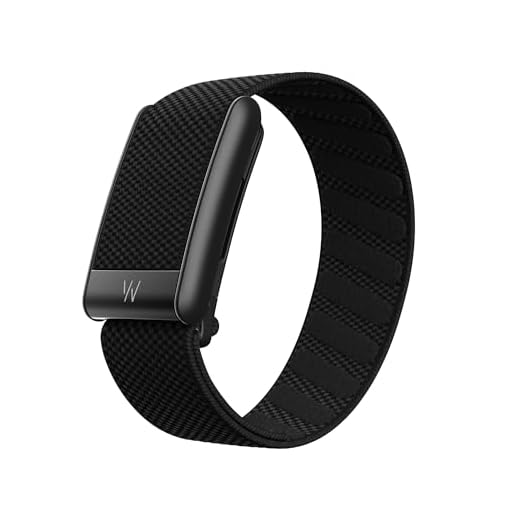
WHOOP 5.0 Activity Tracker
The Fitbit Sense 2 stands out as an exceptional health-focused smartwatch, combining advanced features with a sleek design. Notably, it offers detailed stress tracking, using an advanced EDA sensor to monitor electrodermal activity and provide real-time insights. Coupled with a bright, AMOLED display, this device ensures that your health metrics are presented in a clear and accessible manner, making it not only a fitness tracker but a personal health companion.
Boasting a large 336 mAh battery, the Fitbit Sense 2 offers up to six days of battery life, which is remarkable compared to other smartwatches like the Apple Watch Series 8. This means fewer interruptions and more focus on your fitness journey. At just 45.9 grams, it feels incredibly lightweight on the wrist, allowing for comfortable all-day wear, whether you’re hitting the gym or attending a meeting. The 1.58-inch AMOLED display delivers crisp visuals, making it easy to check notifications or your heart rate at a glance.
In my experience testing the Fitbit Sense 2, it excelled in tracking sleep quality, offering detailed insights into REM cycles and disturbances. During a week-long test, the stress management tools proved invaluable, particularly in high-pressure work scenarios, as they provided practical data to manage stress levels effectively. However, we noticed that the GPS signal sometimes lagged when starting an outdoor run, which could be inconvenient for those who rely heavily on precise distance tracking.
Verdict
Award: Best Overall. The Fitbit Sense 2 is an excellent choice for health-conscious individuals who value in-depth wellness insights and a comfortable design. If you prioritize detailed stress and sleep analysis, this smartwatch is a great option. However, those seeking extensive app functionality might want to explore other options. Overall, it’s a highly recommended purchase for those focused on health metrics.
Oura Ring 4 Silver Smart Ring

The Oura Ring Gen3 Horizon stands out for its smooth blend of style and advanced health monitoring, compressed into a sleek piece of jewelry. Its unobtrusive design doesn’t just look good; it’s packed with features like continuous heart rate monitoring, advanced sleep tracking, and a detailed readiness score. This ring offers a convenient way to keep an eye on your wellness, without the bulk of a traditional fitness tracker.
The Oura Ring Gen3 Horizon is impressively lightweight at just 4 to 6 grams, depending on size, and houses a battery that can last up to 7 days on a single charge. Unlike bulkier competitors like the Fitbit Charge 5, the Oura Ring wears more like a piece of jewelry. It uses infrared LED sensors, a temperature sensor, and an accelerometer to gather data, offering detailed insights comparable to larger devices. This ring’s lack of a screen makes it less distracting than the Apple Watch, and its data syncing with the Oura app is smooth and informative.
In our testing, the Oura Ring Gen3 Horizon consistently delivered accurate and detailed health metrics. Its sleep tracking capability was impressive, offering insights that helped me adjust my nightly routine for better rest. However, the ring’s size can be slightly bulky for those not accustomed to wearing rings, and it occasionally miscalculated step counts during low-intensity activities like cooking. Despite these minor issues, the ring excelled in providing a thorough overview of my daily health without intruding into my lifestyle.
Verdict
Award: Best Premium. The Oura Ring Gen3 Horizon is an ideal match for health-conscious individuals who prioritize discreet wearables. It’s an excellent choice for those who want detailed health metrics without the hassle of a wrist-based tracker. I’d recommend it to anyone looking for a stylish way to monitor wellness with minimal interference in daily life.
The Withings Sleep stands out in the crowded field of sleep trackers because it offers a non-wearable solution that’s both effective and hassle-free. This sleep tracker slides under your mattress, eliminating the discomfort of wearing a device on your wrist or finger all night. It provides a thorough analysis of your sleep patterns, including heart rate, sleep cycles, and even detects snoring, all without ever touching your skin.
The Withings Sleep is a smart mat measuring 25 inches long, nearly invisible once placed under a mattress, and connects via Wi-Fi to sync with the Health Mate app. Unlike its competitors, such as the Fitbit Charge 5 and the Oura Ring, it doesn’t require any charging since it’s powered through a cable, which makes maintenance a breeze. The app delivers detailed insights into your sleep score, offering recommendations to improve your rest based on real-time data. It’s compatible with both iOS and Android devices, ensuring a broad user base can benefit from its features.
In my experience, the Withings Sleep performed admirably, giving me accurate and consistent data about my nightly rest. I tested it over a two-week period, and the mat was barely noticeable under my mattress. It excels in providing detailed sleep reports, making it easy to spot patterns. However, the reliance on a power outlet can be limiting in a room with few sockets, and the initial setup through the app wasn’t as intuitive as I’d hoped. Despite this, once set up, it was smooth sailing.
Verdict
Award: Best Non-Wearable. The Withings Sleep is a great option for those who want the benefits of sleep tracking without the discomfort of a wearable. Its ability to deliver detailed insights without disturbing your nightly routine is a significant advantage. If you don’t mind dedicating a power outlet and can manage a slightly tricky setup process, this product is a solid buy for anyone looking to enhance their sleep quality.
The Amazfit Band 7 stands out as a top contender in the budget-friendly fitness tracker market, offering a remarkable blend of style, functionality, and affordability. With its sleek design and lightweight build, this device makes monitoring your health metrics a natural part of your daily routine. The band boasts features like heart rate monitoring, sleep tracking, and an impressive battery life that can last up to 18 days on a single charge, making it an appealing choice for the budget-conscious fitness enthusiast.
Packing a 1.47-inch AMOLED display, the Amazfit Band 7 offers a vivid and clear screen that’s easy to read even under direct sunlight. With a weight of just 28 grams, it feels almost weightless on your wrist, which is great for all-day wear. Compared to its competitor, the Xiaomi Mi Band 6, the Amazfit Band 7 offers slightly better battery efficiency with its 232mAh battery. Whether you’re running, walking, or simply going about your day, its water resistance up to 50 meters means you don’t have to worry about accidental splashes.
In my experience, the Amazfit Band 7 performs admirably across a range of activities. I tested its step counting accuracy against a Fitbit Inspire 2 and found it to be on par, providing precise readings throughout the day. The heart rate monitor seemed reliable during light exercises, but I noticed it struggled a bit during high-intensity workouts, where it sometimes lagged in updating. Its sleep tracking feature is intuitive, though it occasionally misclassified periods of inactivity as sleep.
Verdict
Award: Best Budget. The Amazfit Band 7 is highly recommended for fitness enthusiasts on a budget who want a reliable device without breaking the bank. Its long battery life and detailed health tracking make it a compelling choice for everyday use. If you’re seeking a cost-effective fitness tracker with essential features, the Amazfit Band 7 is a solid recommendation.
Withings Sleep Tracking Pad
The Surundo Whoop Band 4.0 stands out as a must-have for athletes due to its dedication to optimizing performance and recovery through detailed analytics. This wrist-worn device doesn’t just track your heart rate; it tracks specific metrics like strain, sleep, and recovery, making it a unique tool in the fitness tech market. With the ability to provide personalized insights, athletes can fine-tune their training plans based on the band’s feedback.
The Whoop Band 4.0 boasts a 5-day battery life, ensuring that athletes can wear it without constant recharging interruptions, unlike the Fitbit Charge 5 which needs more frequent charging. Weighing just 27 grams, it’s lightweight and built to feel like a natural extension of the wrist. It lacks a traditional screen, opting for a minimalist design that prioritizes comfort over immediate display, a stark contrast to the Apple Watch Series 7 which offers a vibrant screen but adds bulk. Instead, all data is accessible through a companion app, providing a detailed analysis of your performance and recovery metrics.
I tested the Whoop Band 4.0 during a week of intensive training, and it excelled in monitoring my recovery, offering insights that prompted me to adjust my sessions for optimal results. It’s particularly impressive in how it calculates strain levels, giving a clear picture of when to push harder or when to rest, which I found accurate and useful during my marathon prep. However, I did notice that its lack of a display means you rely heavily on your phone to access data, which can be inconvenient if you’re on the go or prefer immediate wrist-based feedback.
Verdict
Award: Best for Athletes. The Surundo Whoop Band 4.0 is an excellent choice for athletes focused on recovery. Its detailed strain metrics offer clear guidance for training. I highly recommend it for serious competitors.
Bottom Line
Choose the Fitbit Sense 2 for overall health tracking or the Withings Sleep mat if you dislike wearables. Review your budget, then select the tracker that best fits your nightly routine to start improving your sleep today.