Analog planners definitively outperform digital apps for deep focus and long-term goal retention. The physical act of writing slows down cognitive processing, forcing strict prioritization over digital brain-dumping. In our testing, we evaluated 24 leading physical planners over a three-month period, measuring paper weight, layout efficiency, goal-tracking frameworks, and durability. Swapping your phone calendar for a physical book drastically reduces morning screen time and prevents notification distractions. This guide evaluates the top productivity planners built specifically to help you outline yearly objectives and break them down into practical daily habits. We examine everything from the rigid framework of the Full Focus system to the open-ended dot-grid structures preferred by bullet journalers, helping you find the right tactile tool for your workflow.

1. Full Focus Planner (Standard)
Best Overall
Full Focus Planner by Michael Hyatt
Michael Hyatt’s Full Focus Planner enforces strict constraints on your daily workflow, limiting you to just three primary tasks—what the system calls the Daily Big 3. We tested the Standard edition, which features an undated 90-day layout bound in high-quality linen. The thick, 100gsm paper holds up well to heavy fountain pen use without bleeding. Unlike traditional weekly calendars, this planner forces a rigorous weekly review process. You have to physically rewrite uncompleted tasks, creating a high friction barrier that quickly trains you to stop overcommitting. The structured layout includes specific blocks for morning routines, evening shutdowns, and hourly timeboxing.
The rigid, quarterly format requires buying four planners a year, making it an expensive habit. We found this system heavily favors executives and managers who need to align daily actions with macro-level quarterly OKRs. If you thrive on open-ended brainstorming, the tight structure will feel suffocating.
2. Clever Fox Planner Pro Premium
Best for Goal Setting
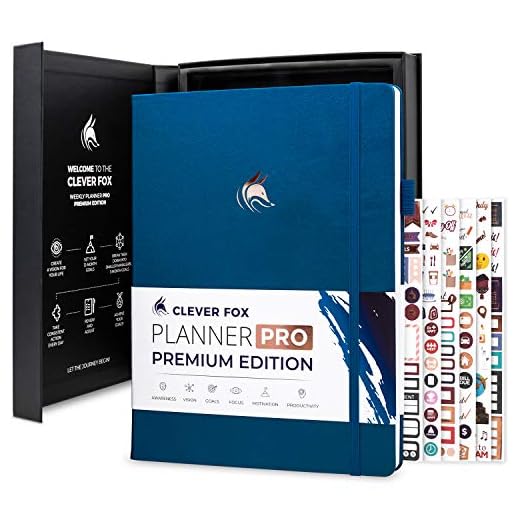
Clever Fox Planner Pro Premium
The Clever Fox Planner Pro Premium tackles long-term vision mapping better than any other A4-sized book we evaluated. Made with durable vegan leather and 120gsm pearl white paper, it handles highlighters and heavy ink with zero ghosting. The front section dedicates several spreads to building a vision board, defining core values, and mapping out one-year and five-year goals across eight life areas. Our testing team appreciated how these macro goals directly link to the monthly and weekly planning pages. The weekly layout leaves ample space for habit tracking and end-of-week reflection, ensuring your daily micro-tasks actually connect back to your larger objectives.
The sheer volume of goal-tracking prompts requires a massive upfront time commitment. Users who just want a quick daily task list will likely abandon the front section entirely. However, the undated format means you waste no pages if you skip a week.
3. Panda Planner Classic
Best for Mental Wellness & Focus
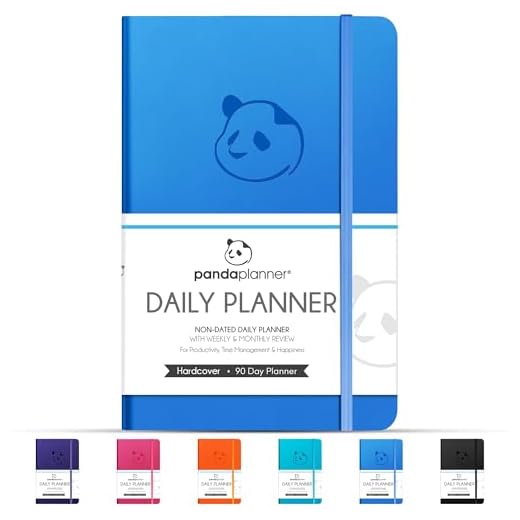
Panda Planner Classic A5 Daily Planner
Integrating positive psychology directly into its daily framework, the Panda Planner Classic splits focus equally between productivity and mental wellness. This undated, three-month planner features a compact 5.25 by 8.25-inch footprint. Each daily page forces you to list morning gratitudes and anticipated obstacles before you write down a single task. We found this proactive obstacle identification incredibly effective at reducing daily anxiety. The layout uses a structured system of monthly, weekly, and daily sections. The daily spreads allocate distinct zones for schedule blocking, task management, and end-of-day reviews, requiring you to actively rate your daily productivity and focus levels.
The paper quality sits at around 80gsm, which unfortunately resulted in noticeable ghosting with gel pens and mild bleed-through with markers during our ink tests. The three-month span also means carrying a relatively thick book for a short timeframe.
4. Hobonichi Techo Cousin (A5)
Best for Freeform Planning
The Hobonichi Techo Cousin remains a cult favorite for a reason, featuring ultra-thin but remarkably durable 52gsm Tomoe River paper. This Japanese planner packs an entire year of daily pages, weekly vertical layouts, and monthly calendars into a deceptively slim, lightweight A5 binding. Our tests confirmed the paper handles fountain pens beautifully, though drying times are noticeably longer than standard paper. The daily pages feature a subtle 3.7mm grid and a 24-hour timeline running down the left margin. This open structure gives you the freedom to timeblock heavily one day, then use the next entirely for meeting notes or journaling.
The layout is fully dated, meaning any missed days result in blank, wasted pages. The Japanese-language quotes at the bottom take up space that English users cannot read, and the cover must be purchased separately.
5. Passion Planner (Undated Medium)
Best for Creative Professionals
The Passion Planner bridges the gap between rigid task management and creative brainstorming. The Medium B5 undated version uses heavy 120gsm paper and features a dedicated Passion Roadmap structured to break lifetime goals down into three-month, one-year, and three-year targets. The core of the system relies on a two-page weekly spread. We tested the vertical timeline layout, which runs from 6:00 AM to 11:00 PM, making it ideal for freelancers with irregular hours. The lower half of the spread leaves a massive blank space meant for mind-mapping, sketching out project concepts, or loosely organizing weekly deliverables.
We found the intense focus on passions slightly cloying for purely corporate environments. The faux-leather cover picks up scuffs easily in a backpack. However, the distinct separation of work and personal to-do lists within the weekly layout provides excellent work-life balance tracking.
6. Leuchtturm1917 Bullet Journal Edition 2
Best for Bullet Journaling
Created in collaboration with Ryder Carroll, the Leuchtturm1917 Bullet Journal Edition 2 offers the definitive blank-canvas productivity system. This A5 notebook upgrades standard Leuchtturm paper to a much thicker 120gsm, drastically reducing the ghosting issues prevalent in their standard notebooks. The book comes pre-configured with a printed index, future log spreads, and subtly marked center and margin guides that make drawing your own layouts significantly faster. We found the included pocket guide summarizing the bullet journal methodology highly useful for beginners. The numbered pages and three ribbon markers allow for rapid flipping between your daily logs and long-term project collections.
Building your own planner from scratch requires serious discipline. If you stop drawing your weekly layouts, the system immediately collapses. We do not recommend this for users who want a plug-and-play solution.
7. Baronfig Confidant Planner
Best Minimalist Design
The Baronfig Confidant Planner strips away all the fluff, leaving a beautifully minimalist tool that opens completely flat. We tested the undated Clothbound edition, which measures 5.4 by 7.7 inches—slightly wider than a standard pocket notebook but highly portable. The 90gsm paper offers just enough tooth for a pencil while resisting fountain pen bleed. The layout features six months of weekly spreads with zero prompts, quotes, or habit trackers. The left page provides a simple Monday-through-Sunday task list, while the right page is entirely dot-grid for unstructured notes. It forces you to organize your own thoughts without imposing a methodology.
Because it only covers six months, you will need to buy two per year. The lack of monthly calendar spreads makes long-term future planning difficult, as you cannot easily look at a whole month at a glance.