Jojoba vs. Almond Oil: Which Natural Moisturizer is Right for You?
Choosing between jojoba and almond oil isn't just about preference; it's about matching the oil's properties to your specific skin and hair needs.
Jojoba oil is technically a wax ester, making it remarkably similar to our skin’s natural sebum, which is great for facial use and acne-prone skin. Sweet almond oil, a true oil rich in vitamins, is a fantastic, cost-effective moisturizer for the body and for nourishing dry hair. Understanding these core differences is key to getting the results you want.
- Jojoba for Your Face Jojoba oil’s structure is so close to human sebum that it’s ideal for facial application, helping to balance oil production without clogging pores.
- Almond for Your Body Sweet almond oil provides excellent value for full-body moisturizing, covering large areas without feeling greasy or breaking the bank.
- Purity is Paramount Look for oils that are 100% pure, cold-pressed, and hexane-free to ensure you’re getting all the benefits without unwanted chemicals or dilution.
- Versatility Check Both oils are multipurpose powerhouses, but jojoba excels as a makeup remover and nail treatment, while almond oil is a great base for massage oils.

Best Overall: Cliganic Organic Jojoba Oil, 100% Pure (4oz)
This USDA-certified organic oil mimics skin’s natural sebum for superior moisturizing. Its pure, single-ingredient formula is perfect for face, hair,
- Structurally similar to skin’s sebum
- Absorbs quickly with no greasy feel
- Excellent for acne-prone or oily skin
- Certified organic and hexane-free
- Higher price per ounce than almond oil
- Smaller bottle size requires more frequent repurchase
- Distinct, earthy scent may not appeal to everyone
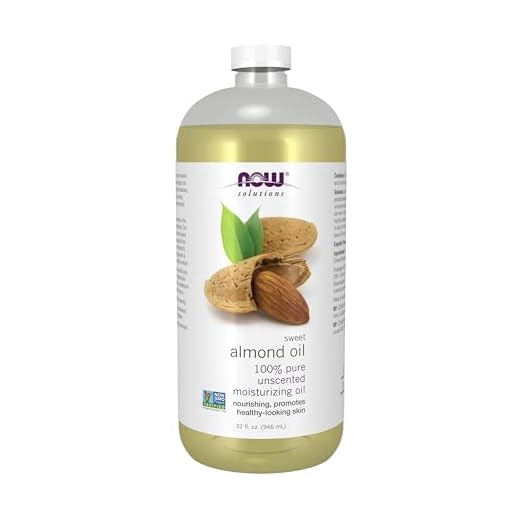
Runner Up: NOW Foods Solutions, Sweet Almond Oil, 32-Ounce
Ideal for full-body use, this pure, non-GMO almond oil nourishes and revives most skin types. It absorbs easily without clogging pores, promoting clea
- Exceptional value in a large bottle
- Great for full-body application and massage
- Rich in Vitamin E for skin nourishment
- Very light, neutral scent
- Can feel slightly heavier than jojoba oil
- May be too rich for oily or acne-prone facial skin
- Not certified organic
Side-by-side comparison
|
Best Overall
Cliganic Organic Jojoba Oil, 100% Pure (4oz) | Moi
|
Runner Up
NOW Foods Solutions, Sweet Almond Oil, 100% Pure M
|
|
|---|---|---|
|
|
|
|
| Best For | Face & Hair | Body & Massage |
| Texture | Lightweight Wax Ester | Medium-Weight Oil |
| Key Benefit | Balances Sebum | Nourishes with Vitamin E |
| Certifications | USDA Organic | Non-GMO Project Verified |
| Price | $9.98 | $22.49 |
| BUY NOW | BUY NOW |
What to look for in Moisturizing Oils
Can I use almond oil on my face?
Yes, many people with dry or normal skin can use almond oil on their face. However, it is slightly more comedogenic than jojoba oil, so if you have oily or acne-prone skin, a patch test is highly recommended, or you might prefer jojoba.
Which oil is better for hair?
Both are beneficial. Jojoba oil is great for the scalp to help control oiliness and dandruff, and for sealing moisture into hair strands. Almond oil, rich in vitamins, is excellent for nourishing dry, brittle ends and adding shine.
What does 'cold-pressed' mean and why is it important?
Cold-pressing is a method of oil extraction that doesn’t use heat or chemical solvents. This process helps the oil retain its full nutritional value, including vitamins, antioxidants, and fatty acids, making it more effective for your skin.
Do these oils expire?
Yes, natural oils have a shelf life. Jojoba oil is very stable and can last for years, while almond oil typically has a shelf life of about 1-2 years. Store them in a cool, dark place to prevent them from going rancid.
The bottom line
- Cliganic Organic Jojoba Oil: The best choice for face, hair, and nails due to its unique sebum-like structure and organic certification.
- NOW Foods Solutions, Sweet Almond Oil: The top pick for an affordable, all-over body moisturizer that nourishes skin without a greasy feel.
Your choice boils down to your primary use case. For superior facial care that mimics your skin’s natural oils and helps control breakouts, Cliganic’s Jojoba Oil is the clear winner. If you need a cost-effective, nourishing workhorse for full-body moisturizing, NOW Foods’ Sweet Almond Oil offers unbeatable value.