Waking up to a blaring smartphone alarm spikes cortisol and ruins your morning before it even begins. Sunrise alarm clocks solve this by simulating a natural dawn, gently pulling you out of deep sleep. The Hatch Restore 2 and the Philips SmartSleep are the two heaviest hitters in the sleep optimization space, but they take entirely different approaches. Hatch relies heavily on app integration, subscriptions, and aesthetic design, while Philips takes a clinical, device-first approach with proven light therapy metrics and zero ongoing costs.
Choosing between these two devices comes down to your bedtime habits and budget. The Hatch Restore 2 is for the modern sleeper who wants an all-in-one sound machine, guided meditation hub, and minimalist aesthetic on their nightstand. The Philips SmartSleep Wake-Up Light is built for the pragmatist who wants clinically backed light lux levels, physical buttons, and a reliable wake-up experience without needing to look at a smartphone app or pay a monthly subscription fee.
The Philips SmartSleep wins for pure sunrise simulation and long-term value thanks to its clinical backing and lack of subscription fees. However, the Hatch Restore 2 is the better buy if you struggle with falling asleep and want premium soundscapes, guided sleep routines, and a modern, minimalist nightstand aesthetic.

Hatch Restore 2
Hatch Restore 3 Sunrise Alarm Clock, Sound Machine, Smart Light (Putty) – White Noise, Screen-Free Sleep Routine
- $199.99 upfront cost (plus optional $49.99/yr Hatch+ subscription)
- Wi-Fi and Bluetooth app connectivity required for full setup
- Linen-covered dome design available in 3 neutral colors
- Customizable multi-step sleep and wake routines
Pros:
- Exceptional audio quality for white noise and soundscapes
- Beautiful, minimalist aesthetic blends into modern bedrooms
- Highly customizable sleep and wake routines via the app
Cons:
- Requires a $49.99 annual subscription to unlock most audio content
- Heavily reliant on the smartphone app for basic adjustments
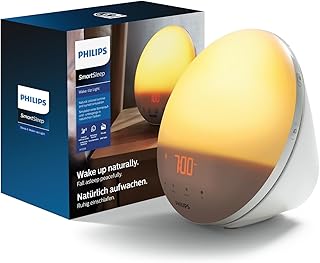
Philips SmartSleep Connected Sleep and Wake-Up Light (HF3650/60)
Philips SmartSleep Connected Sleep and Wake-Up Light (HF3650/60)
- $199.99 upfront cost (zero ongoing subscription fees)
- 315 Lux maximum light intensity for clinical efficacy
- Built-in AmbiTrack environmental sensor (tracks temp/humidity)
- Physical touch interface on the device itself
Pros:
- Clinically proven light therapy without monthly paywalls
- Built-in environmental sensors track bedroom temperature and humidity
- Intuitive physical buttons mean you don’t need your phone at night
Cons:
- Bulky, donut-shaped design takes up significant nightstand space
- Built-in speaker quality is mediocre compared to Hatch
Sunrise Simulation and Light Efficacy
Philips is the gold standard for light therapy, outputting up to 315 lux to actively suppress melatonin and stimulate morning cortisol. The light transition from deep red to bright white is perfectly smooth and clinically validated. Hatch Restore 2 offers a beautiful, diffused glow through its linen cover, making it a fantastic ambient light, but it lacks the clinical lux intensity of the Philips. If your primary goal is battling Seasonal Affective Disorder or deep winter mornings, Philips is the undisputed winner for raw light efficacy.
Audio Quality and Soundscapes
The Hatch Restore 2 dominates the audio category. Its speaker delivers deep, rich white noise, nature sounds, and guided meditations that easily replace a dedicated premium sound machine. The Philips SmartSleep speaker is functional but distinctly tinny, sounding more like a traditional alarm clock radio. While Philips offers basic FM radio and a few nature tracks, Hatch provides an expansive library of high-fidelity audio. Hatch wins this category effortlessly, making it the superior choice if you rely on sound masking to fall asleep or stay asleep.
App Experience and Subscription Costs
This is the most polarizing difference between the two devices. Hatch requires the Hatch Sleep app to function properly, and to unlock the best soundscapes and guided routines, you must pay $49.99 annually for Hatch+. Philips offers a free app (SleepMapper) that tracks environmental metrics and controls the light, but the device is fully functional via physical touch controls with absolutely no paywalls. Philips wins for long-term value and standalone usability, while Hatch wins if you want a heavily curated, app-driven digital wellness ecosystem.
Aesthetics and Nightstand Footprint
The Hatch Restore 2 looks like a piece of high-end home decor. Its minimalist half-moon shape, tactile buttons, and linen cover make it a beautiful addition to any modern bedroom, taking up minimal space. The Philips SmartSleep is unapologetically clinical. Its large, donut-shaped plastic chassis requires a significant amount of nightstand real estate and looks exactly like a medical device. If bedroom aesthetics and saving space are priorities, the Hatch Restore 2 is the clear winner, leaving the bulky Philips in the dust.
Environmental and Sleep Tracking Features
The Philips SmartSleep features a built-in AmbiTrack sensor that monitors your bedroom’s temperature, humidity, noise, and light levels, displaying the data in the SleepMapper app to help you optimize your sleep environment. The Hatch Restore 2 offers absolutely no environmental tracking or sleep metrics, focusing entirely on routine creation rather than data collection. If you want actionable insights into why you are waking up groggy based on your bedroom’s climate, the Philips SmartSleep takes the win for its superior environmental sensor integration.
Frequently Asked Questions
Our Verdict
Buy the Philips SmartSleep for clinically proven light therapy, zero subscriptions, and environmental tracking. Choose the Hatch Restore 2 if you want a beautiful aesthetic, premium soundscapes, and are willing to pay an annual fee for curated sleep and wake routines.