Staring at a screen at 11 PM leaves your eyes burning and your brain completely wired. Your eyelids feel heavy, but the moment your head hits the pillow, your mind races. The culprit sits right in your hand. Your phone emits high-energy blue light that tricks your internal clock into thinking the sun just came up.
This artificial daylight throws your circadian rhythm out of whack and strains your eye muscles after hours of scrolling. You spend an average of seven hours a day looking at digital devices. That constant exposure leads to dry eyes, blurry vision, and frustrating nights spent staring at the ceiling.
Understanding how this specific wavelength affects your biology gives you the power to fix the problem. You can protect your vision and fix your sleep schedule without throwing your devices in the trash.
The Science Behind Blue Light Wavelengths
Light consists of electromagnetic particles that travel in waves. These waves vary in length and energy. Blue light sits at the highest end of the visible light spectrum, measuring between 380 and 500 nanometers. Shorter wavelengths pack more energy. This high energy penetrates straight through your eye directly to the retina. Your cornea and lens cannot block or reflect it.
The sun acts as the primary source of natural blue light. This natural exposure keeps you alert and regulates your sleep cycles. Artificial sources create problems because of their proximity and timing. LED screens on your phone, tablet, and computer blast concentrated doses of this high-energy light inches from your face at all hours of the night.
How Blue Light Causes Digital Eye Strain
Your eyes work incredibly hard to focus on digital screens. Blue light scatters more easily than other visible light, creating visual noise that reduces contrast. This forces your eyes to constantly adjust and strain to maintain a clear image. After two hours of screen time, you will likely experience a condition called computer vision syndrome.
Symptoms include dry eyes, blurred vision, headaches, and neck pain. When you look at screens, your blink rate drops by half. Less blinking means less moisture, leading to a gritty, burning sensation. The high-energy waves also cause your ciliary muscles to spasm, making it difficult to shift your focus to distant objects after a long workday.
The Direct Connection Between Screens and Melatonin
Your brain relies on light cues to manage your circadian rhythm. A tiny region in your hypothalamus called the suprachiasmatic nucleus controls this 24-hour internal clock. When blue light enters your eyes, it signals this nucleus to suppress melatonin production. Melatonin serves as the hormone responsible for making you feel sleepy and keeping you asleep through the night.
Using your phone or watching TV right before bed tricks your brain into thinking it is daytime. A study from Harvard Medical School found that blue light suppresses melatonin for about twice as long as green light. This delays your sleep onset by up to three hours. You end up waking up groggy and reaching for an extra cup of coffee.
Long-Term Retinal Damage Risks
Medical researchers continue to study the long-term effects of screen exposure on human retinas. Animal studies show that chronic exposure to high-intensity blue light damages light-sensitive cells. This damage resembles the changes seen in macular degeneration, a condition that leads to permanent vision loss. Your macular pigment acts as a natural defense, but constant screen time depletes this protective layer.
Children face higher risks because their developing eyes lack the protective pigments found in adults. A child’s crystalline lens absorbs less short-wavelength light, allowing more blue light to reach their retina. Limiting unnecessary screen time and using protective filters becomes especially important for younger age groups.
Adjusting Your Device Settings for Nighttime
You can instantly reduce your exposure by changing the display settings on your electronics. Apple devices feature Night Shift, while Windows computers offer Night Light. Android phones typically call this feature Eye Comfort Shield. These built-in tools warm up your screen’s color temperature by reducing the blue pixels and increasing the red and orange pixels.
Schedule these filters to activate automatically at sunset and turn off at sunrise. You should also lower the overall brightness of your screens when the sun goes down. A bright screen in a dark room forces your pupils to dilate, allowing even more high-energy light into your eyes. Keep a small lamp on nearby to equalize the lighting in your workspace.
Using Blue Light Blocking Glasses
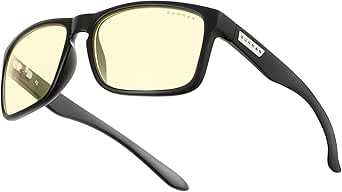
Blue light glasses feature specialized lenses designed to filter out the most harmful wavelengths. Clear lenses typically block 10 to 20 percent of blue light, which helps with daytime computer work and fluorescent office lighting. Yellow or amber-tinted lenses block 65 to 90 percent of this light. These tinted options work best for evening gaming or late-night scrolling.
Look for glasses that specify the exact nanometer range they filter. You want a pair that specifically targets the 400 to 450-nanometer range, as this causes the most strain. Wear them consistently during your longest screen sessions. Many people notice a massive reduction in tension headaches and dry eyes within the first week of use.
Implementing the 20-20-20 Rule
Taking structured breaks gives your eye muscles time to relax and reset. Optometrists recommend following the 20-20-20 rule. Every 20 minutes, look at an object at least 20 feet away for exactly 20 seconds. This simple practice stops the constant contraction of your focusing muscles and prevents the visual fatigue that builds up over an eight-hour shift.
Set a recurring timer on your phone or install a browser extension to remind you to look away. During these 20 seconds, force yourself to blink deeply five to ten times. This coats your eyes with a fresh layer of tears, washing away debris and preventing the dry, scratchy feeling associated with intense screen concentration.
Creating a Screen-Free Bedtime Routine
The most effective way to protect your sleep cycle involves putting your devices away. Stop looking at all electronic screens exactly two hours before your target bedtime. This gives your pineal gland enough time to produce the melatonin required for deep, restorative sleep. Charge your phone in the kitchen or bathroom so you do not grab it when you feel restless.
Replace your evening scrolling with low-tech activities. Read a physical book under a warm-toned reading lamp. Stretch, meditate, or listen to a podcast. If you must use a device to read, switch to an e-reader with an e-ink display. These screens do not emit light from behind the text, making them completely safe for your circadian rhythm.
Quick Tips
- Install the free f.lux app on your desktop computer to automatically sync your screen color temperature with your local sunset time.
- Swap the bright white LED bulbs in your bedside lamps for warm amber bulbs measuring 2700K or lower to protect your melatonin production.
- Apply a physical matte screen protector to your laptop to cut down on harsh glare and scatter the blue light waves emitted from your display.
- Keep a bottle of preservative-free artificial tears on your desk and use one drop per eye before starting a long marathon of spreadsheet work.
- Position your computer monitor exactly an arm’s length away from your face with the top of the screen sitting right at your natural eye level.
Frequently Asked Questions
Taking control of your digital environment changes how your body feels at the end of a long day. You no longer have to accept burning eyes and restless nights as the cost of living in a connected society. Small adjustments to your display settings and a strict evening routine protect your vision and restore your natural sleep cycle.
Start by implementing the 20-20-20 rule during your workday and switching your phone to night mode at sunset. Grab a pair of amber glasses if you need to work late. Protecting your eyes now pays off with better focus during the day and deeper, more restful sleep every single night.