Managing hours effectively remains a major challenge for independent workers and small agencies. Tracking time accurately ensures you get paid for every minute you work on client projects. Many professionals struggle with distractions that eat into their billable hours. Finding the right tools can help you regain control over your daily schedule. We will explore practical methods to keep your workdays organized and productive.
This guide covers physical timers, educational resources, and traditional planners that support better time management. You will learn how to structure your day to maximize focus and minimize burnout. Different work styles require different approaches to tracking tasks and deadlines. Applying these strategies will help you build a sustainable routine for your business. Read on to discover which options fit your specific workflow needs.
The Importance of Visual Time Management
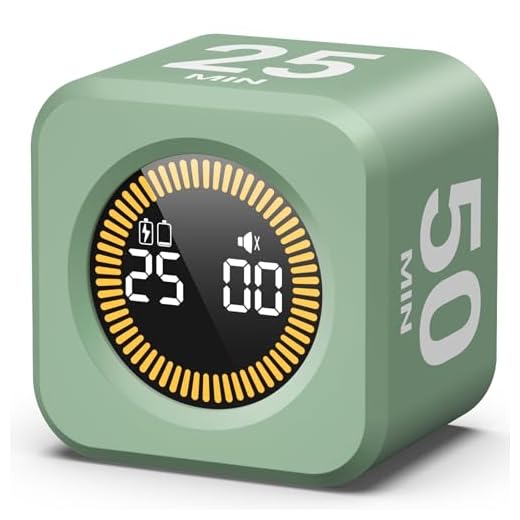
Visual timers provide a physical reminder of the task at hand without the distractions of a smartphone screen. The KADAMS Pomodoro Cube Timer Productivity Visual Timer offers a simple way to implement focused work sessions. You just flip the cube to start a countdown for your current project. This physical action creates a clear boundary between work time and break time. Keeping a dedicated device on your desk helps prevent the urge to check social media.
The Pomodoro technique involves working in short bursts followed by brief periods of rest. This method keeps your mind fresh during long days of client work. A cube timer makes this process highly intuitive for both solo freelancers and remote team members. You can easily track how many focused sessions a specific project requires. This data allows you to estimate future jobs with much greater accuracy.
KADAMS Pomodoro Cube Timer
Building a Foundation for Freelance Success
Understanding the business side of independent work is just as important as tracking your hours. The Freelancer’s Bible: Beginner’s Guide provides essential knowledge for setting up your daily operations. Reading about proven strategies helps you avoid common pitfalls that waste valuable time. You need a solid framework to handle client communication and project scoping. Establishing these rules early prevents scope creep from ruining your profit margins.
Good time tracking starts with knowing exactly what tasks you should actually monitor. A beginner guide helps you identify billable versus non-billable activities in your schedule. You can then allocate specific blocks of your day to marketing and administrative duties. Teams also benefit when every member understands the basic principles of freelance time management. Shared knowledge creates a more efficient environment for collaborative projects.
Combining Digital and Physical Planning
Digital apps often fail to provide the satisfaction of crossing a completed item off a physical list. The Dated Planner – The #1 Productivity Planner gives you a tangible space to map out your weekly goals. Writing down your schedule by hand forces you to be realistic about what you can accomplish. You can block out specific hours for deep work right next to your meeting times. This visual layout keeps your priorities clear throughout the entire week.
Physical planners work exceptionally well alongside digital time tracking software. You can use the paper planner to set your intentions before starting the digital timer. Reviewing your written notes at the end of the day highlights where your time actually went. This reflection process helps you adjust your habits for the following morning. Consistent daily planning ultimately leads to more accurate project delivery dates.
Establishing a Team Workflow
Coordinating schedules across a group requires clear communication and shared expectations. Every team member needs to understand how their individual time tracking affects the larger project budget. Setting standard categories for different types of work prevents confusion during the billing cycle. Regular check-ins allow managers to see if certain tasks consistently take longer than expected. Adjusting deadlines based on this real-world data keeps clients happy and teams stress-free.
Consistency remains the most critical factor in successful group time management. You should encourage everyone to log their hours daily rather than waiting until Friday afternoon. Prompt entry ensures that the details of the work remain fresh in everyone’s mind. Reviewing these logs weekly helps identify bottlenecks in your current operational processes. Small adjustments to your routine can save hours of wasted effort over a month.
Final Thoughts
Managing your schedule effectively requires the right combination of physical tools and solid business knowledge. Implementing visual timers and structured planners can drastically improve your daily focus. You will see better results when you track your hours consistently and review your progress often.
Frequently Asked Questions
How do visual timers improve daily productivity?
Visual timers create a physical boundary that separates work periods from break times. They prevent you from checking your phone by keeping the countdown visible on your desk. This method helps maintain deep focus during complex tasks.
Why should freelancers use physical planners?
Writing tasks down by hand forces you to think critically about your available time. A physical planner provides a clear overview of your week without the distractions of digital notifications. You can easily reference your goals while working on your computer.
What is the best way to track team hours?
Teams should agree on standard categories for all project tasks before starting work. Everyone must log their hours daily to ensure accurate reporting and billing. Regular reviews of this data help managers adjust future project estimates.