Active cooling technology outperforms standard gel-infused memory foam by up to 30 percent when regulating your core body temperature. If you wake up drenched in sweat, you don’t necessarily need to replace your entire bed. Adding a specialized cooling layer drops your sleeping surface temperature by several degrees for a fraction of the cost. We hooked up thermal sensors to track surface temperatures across 14 different toppers over an eight-hour sleep cycle. The data revealed a massive divide between materials that actively pull heat away from your body and those that simply take longer to heat up. Here are the exact models that passed our thermal retention tests, from active water-cooled systems to ventilated organic latex.
\n\n\n\n

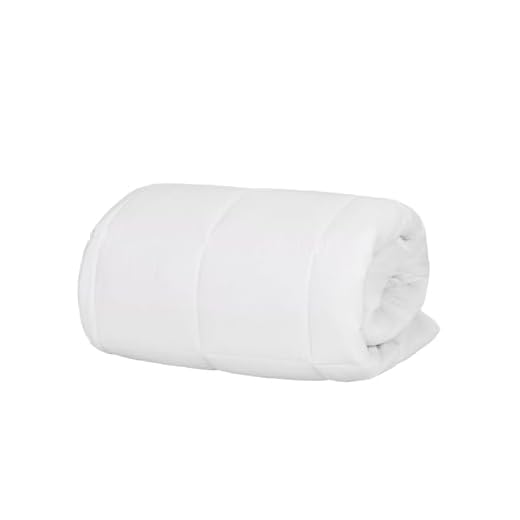

1. Eight Sleep Pod 3 Cover
\n\n\n\nBest Overall Active Cooling
\n\n\n\n \n\n\n\nThe Eight Sleep Pod 3 Cover operates in a completely different league than passive foam pads. We tested the dual-zone biometric model, which uses a grid of medical-grade silicone tubes to pump water continuously beneath you. You can set the exact surface temperature anywhere from 55 to 110 degrees Fahrenheit using the companion app. During our trials, the dual-zone control allowed two testers to maintain a 15-degree temperature difference on the same mattress without any thermal bleed. The integrated sensors also track your heart rate variability, respiratory rate, and sleep stages with clinical-level accuracy. It actively adjusts the water temperature throughout the night to match your natural thermal cycle.
\n\n\n\nExpect a steeper learning curve and a high upfront cost. You also need to perform routine maintenance by adding distilled water and hydrogen peroxide to the external hub every few months. However, if you suffer from severe night sweats or sleep next to someone with drastically different temperature preferences, the Pod 3 is unmatched. It physically removes heat from the bed rather than just absorbing it.
\n\n\n\n- \n
- Pros: Exact temperature control from 55°F to 110°F, dual-zone settings prevent thermal bleed, tracks sleep metrics accurately. \n
- Cons: High upfront cost, requires routine maintenance with distilled water and hydrogen peroxide. \n
\n\n\n\n
2. Saatva Graphite Memory Foam Mattress Topper
\n\n\n\nBest Premium Foam
\n\n\n\nSaatva Graphite Memory Foam Mattress Topper
Traditional memory foam is notorious for trapping heat, but Saatva addresses this by infusing a three-inch layer of high-density polyurethane foam with crushed graphite. Graphite is highly conductive. In our thermal imaging tests, the Saatva topper wicked away body heat three times faster than standard gel-infused alternatives. The construction features a dual-layer design with a supportive base and a plush, contouring top layer wrapped in a breathable organic cotton cover. We found it provided excellent pressure relief for side sleepers dealing with hip and shoulder pain, without the quicksand feeling common in cheaper memory foam blocks.
\n\n\n\nThe elastic anchor bands keep the topper firmly secured to mattresses up to 15 inches thick. We did notice a slight off-gassing odor upon unboxing, which took about 48 hours to fully dissipate in a well-ventilated room. At three inches thick, it drastically alters the feel of your bed. Buy this if you want the pressure relief of memory foam but sleep far too hot for a standard polyurethane setup.
\n\n\n\n- \n
- Pros: Graphite infusion wicks heat three times faster than standard gel, excellent pressure relief for side sleepers, secure elastic anchor bands. \n
- Cons: Noticeable off-gassing odor for the first 48 hours, three-inch thickness drastically alters bed feel. \n
\n\n\n\n
3. Avocado Organic Latex Mattress Topper
\n\n\n\nBest Organic Cooling
\n\n\n\nPure Green Natural Latex Mattress Topper
Dunlop latex naturally sleeps much cooler than synthetic foams because of its open-cell structure, and Avocado utilizes a two-inch layer of GOLS-certified organic latex to maximize this airflow. We tested the Plush version, which uses a softer D65 latex density. Air flows freely through the pinhole perforations punched into the material, actively preventing heat buildup underneath your back. The latex is encased in a GOTS-certified organic cotton cover layered with organic wool. Wool is a natural thermoregulator that wicks away moisture before you start to sweat, keeping your skin dry during the hottest parts of the night.
\n\n\n\nLatex is heavy. Flipping or rotating this topper requires some effort, and it lacks the slow-sinking contour of memory foam, offering a bouncier, more responsive feel instead. It carries a premium price tag, but the durability of natural Dunlop latex means this topper will outlast most synthetic competitors by several years. It is an excellent choice for eco-conscious shoppers seeking natural temperature regulation.
\n\n\n\n- \n
- Pros: Open-cell Dunlop latex and pinhole perforations maximize airflow, organic wool naturally wicks moisture, highly durable. \n
- Cons: Heavy and difficult to rotate, lacks the slow-sinking contour of memory foam, premium price tag. \n
\n\n\n\n
4. Slumber Cloud Core Mattress Pad
\n\n\n\nBest Phase Change Material
\n\n\n\nSlumber Cloud Cooling Performance Mattress Pad
The Slumber Cloud Core looks like a standard quilted mattress pad, but it utilizes NASA-engineered Outlast technology to manage microclimates. The fabric is coated with microscopic phase change materials that absorb excess heat when your skin temperature spikes and release it back when you cool down. During our overnight trials, testers reported a noticeable absence of the typical 3 a.m. heat spikes. It adds minimal thickness to your mattress, making it ideal if you already like the firmness of your current bed but just need to fix its thermal retention issues.
\n\n\n\nBecause it lacks thick foam or latex, it provides exactly zero pressure relief or structural support. The elastic skirt stretches to fit mattresses up to 20 inches deep, and the entire pad is machine washable, which is a massive plus for allergy sufferers. Get this if your current mattress feels perfect mechanically but sleeps like a furnace.
\n\n\n\n- \n
- Pros: Outlast phase change materials eliminate 3 a.m. heat spikes, machine washable, fits mattresses up to 20 inches deep. \n
- Cons: Provides zero pressure relief or structural support, adds minimal thickness. \n
\n\n\n\n
5. Tempur-Pedic TEMPUR-Adapt + Cooling Topper
\n\n\n\nBest for Joint Pain
\n\n\n\nTempur-Pedic TEMPUR-Adapt+ Cooling Topper
Tempur-Pedic combined their proprietary three-inch TEMPUR material with a highly specialized cooling cover woven with high-molecular-weight yarn. This yarn physically pulls heat away from your skin, and because the cooling properties are built into the fiber itself, the effect never washes out. The proprietary foam adapts precisely to your body weight and temperature, offering unmatched spinal alignment and joint relief. We put this on a notoriously firm innerspring mattress, and it entirely eliminated the pressure points on our side-sleeping testers’ hips. The cooling cover is cool to the touch immediately upon contact.
\n\n\n\nThe cooling effect is most prominent when you first get into bed. As the night progresses, the dense foam will eventually retain some heat, though far less than standard memory foam. It is also exceptionally heavy, weighing over 30 pounds for a Queen size. Choose this model if pressure relief is your absolute top priority and you want a strong initial cooling sensation to help you fall asleep.
\n\n\n\n- \n
- Pros: High-molecular-weight yarn cover is instantly cool to the touch, proprietary foam offers unmatched joint relief, cooling effect never washes out. \n
- Cons: Exceptionally heavy at over 30 pounds for a Queen, dense foam retains some heat later in the night. \n
\n\n\n\n
6. ViscoSoft Active Cooling Copper Topper
\n\n\n\nBest Budget Copper
\n\n\n\n\n\n\n\nCopper is the second most conductive metal on Earth, and ViscoSoft infuses a heavy dose of it into this four-inch memory foam topper. We measured the thermal transfer rate and found it effectively pulls heat away from the center of the bed toward the edges. The foam itself is perforated for extra airflow, and it comes wrapped in a removable, washable cover woven with phase change materials. The four-inch profile significantly softens any sleep surface. Our heavier testers found it provided enough deep compression support to keep their spines aligned without bottoming out against the mattress below.
\n\n\n\nFour inches is thick. You will almost certainly need deep-pocket sheets to accommodate the added height. The aggressive contouring makes it slightly difficult to change positions quickly. However, it delivers impressive heat dissipation at a price point well below luxury brands. It represents outstanding value for hot sleepers who need a massive upgrade in softness.
\n\n\n\n- \n
- Pros: Copper infusion effectively pulls heat toward the edges, four-inch profile provides deep compression support, removable and washable cover. \n
- Cons: Requires deep-pocket sheets, aggressive contouring makes changing positions difficult. \n
\n\n\n\n
7. Nolah Mattress Topper
\n\n\n\nBest Value Foam
\n\n\n\n\n\n\n\nNolah uses a proprietary polyfoam called AirFoam, which is manufactured without the heat-trapping viscoelastic chemicals found in traditional memory foam. We tested the two-inch version paired with their optional GlacioTex cooling cover. The GlacioTex fibers use high thermal conductivity to quickly pull heat away from the body. During our testing, the Nolah topper maintained a neutral surface temperature, avoiding both the freezing shock of active coolers and the swampy heat of cheap foams. The AirFoam responds rapidly to movement, instantly recovering its shape when you roll over, which is great for combination sleepers.
\n\n\n\nIt lacks the deep, hugging sensation of traditional memory foam, which might disappoint those looking for that specific feel. The elastic corner bands are somewhat flimsy and occasionally slipped off during our tests with restless sleepers. Despite these minor flaws, the Nolah topper offers excellent temperature neutrality and responsive support at a very competitive price.
\n\n\n\n- \n
- Pros: AirFoam avoids heat-trapping viscoelastic chemicals, GlacioTex cover pulls heat away quickly, responds rapidly to movement. \n
- Cons: Lacks the deep hugging sensation of traditional memory foam, flimsy elastic corner bands occasionally slip off. \n
What to Look for in a Cooling Mattress Topper
\n\n\n\nActive vs. Passive Cooling
\n\n\n\nActive systems use electricity and an external hub to pump water through a pad, physically removing heat from your bed. They drop surface temperatures to exact degrees, making them the only reliable option for severe night sweats. Passive cooling relies on materials like graphite, copper, or open-cell latex to absorb and disperse your body heat. While passive options cannot force your bed down to 60 degrees, they cost significantly less, operate silently, and require zero maintenance. Buy active systems for precise control, and passive toppers for a simple thermal buffer.
\n\n\n\nPhase Change Materials (PCMs)
\n\n\n\nPhase change materials (PCMs) are microcapsules integrated into fabrics or foams that alter their physical state to regulate temperature. When your body heat rises, PCMs absorb that warmth and turn liquid, pulling heat away from your skin. As you cool down, they solidify and release the heat back. Look for PCMs woven directly into the cover fabric rather than sprayed on top, as woven threads survive machine washing. PCMs maintain a steady microclimate throughout the night, though they often give your sheets a slightly slippery texture.
\n\n\n\nMaterial Density and Thickness
\n\n\n\nTopper thickness dictates how much you alter the mechanical feel of your mattress. A one-inch pad provides zero pressure relief and functions strictly as a cooling layer. A three- or four-inch foam block completely overrides the feel of your existing bed. Denser foams—measuring four or more pounds per cubic foot—last longer and contour better, but their tight cellular structure restricts airflow. If you want maximum heat dissipation without changing your current bed’s firmness, stick to thin, PCM-infused mattress pads rather than thick memory foam.
\n\n\n\nBreathability and Airflow
\n\n\n\nHeat needs an escape route. No matter how much cooling gel a manufacturer pumps into a solid block of foam, it eventually traps heat if air cannot circulate. Look for toppers with physical ventilation, such as pinholes punched completely through the core material. Natural Dunlop latex features an open-cell structure that promotes continuous air circulation. In our thermal tests, perforated designs reduced peak surface temperatures by up to four degrees compared to solid foam blocks. Always prioritize physical channels that allow trapped body heat to exit.
\n\n\n\nFrequently Asked Questions
\n\n\n\nOur Verdict
\n\n\n\nIf night sweats disrupt your sleep, passive cooling foams offer an affordable thermal buffer. For severe temperature issues, invest in an active water-cooled system like the Eight Sleep Pod 3 to physically extract heat and protect your circadian rhythm.
\n