Bone conduction headphones are the definitive solution for athletes who need to hear their surroundings while listening to audio. Traditional earbuds block ambient sounds, creating dangerous blind spots for runners and cyclists. Bone conduction technology bypasses the ear canal entirely, transmitting audio vibrations directly through your cheekbones to your inner ear. While we initially evaluated 7 popular models, in our testing, we narrowed the field down to the 3 absolute best bone conduction headphones that deliver reliable situational awareness.
Your ideal headset relies on your specific workout environment. Some models focus heavily on audio quality with dual drivers and custom equalizer settings, while others prioritize extreme waterproofing and onboard storage for swimming laps. We break down the top three options to help you find the right match for your active lifestyle. You will learn exactly what features matter most for maintaining situational awareness without sacrificing your favorite playlists.
SHOKZ New OpenRun Pro 2: Balancing Audio Quality with Open Ear Safety
Modern bone conduction devices use dual drivers to separate high frequencies from deep bass tones, solving the common issue of weak audio in open-ear designs. This setup allows you to hear rich music while still noticing approaching cars or warning shouts. Companion applications let you adjust equalizer modes to match your specific environment. A lightweight unibody frame with memory wire ensures the headset stays secure during heavy movement, while wind-resistant microphones and noise reduction algorithms filter out background noise during phone calls. The SHOKZ New OpenRun Pro 2 combines these audio features with a highly stable fit.
Shokz OpenRun Pro 2 Bone Conduction Headphones

mojawa Run Plus: Taking Your Music Underwater Without Your Phone
Bluetooth signals drop out in water, making built-in MP3 storage essential for swimmers. You can load thousands of songs directly onto the device, allowing you to leave your phone in your locker. An IP68 waterproof rating guarantees the headphones survive underwater for extended periods. Fast charging capabilities and long battery life keep your music playing through multiple training sessions, and the sound profiles are endorsed by professional audio producers. The mojawa Run Plus offers 32 gigabytes of storage and full waterproofing for serious swimmers.
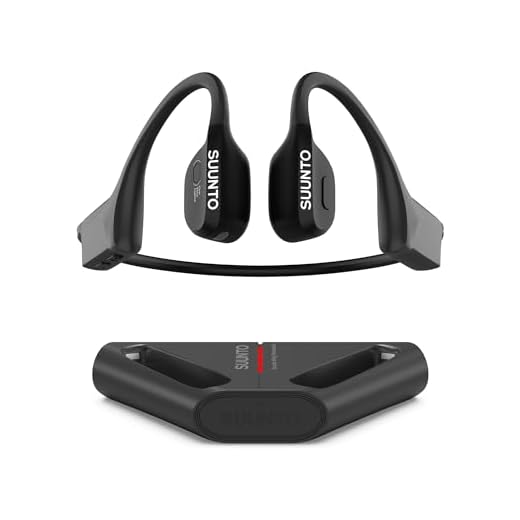
SUUNTO WING: Enhancing Visibility for Early Morning and Night Workouts
Active lighting provides a higher level of safety on dark roads than reflective clothing alone. Certain bone conduction headphones include bright LED lights built directly into the frame, controllable via smartphone for different flashing or solid modes. Dual microphones with clear voice capture technology isolate your voice from heavy winds. A lightweight 32-gram design prevents neck fatigue, and the slim profile fits easily underneath bicycle helmets or winter beanies. The SUUNTO WING integrates these bright safety lights and wind-resistant microphones into a highly visible, lightweight frame.
Suunto Wing Bone Conduction Headphones
Fit and Clamping Force
Bone conduction models wrap around the back of your head and rest on your cheekbones. The clamping force must be tight enough to transmit vibrations but gentle enough to avoid headaches. Materials like titanium alloy provide the necessary flexibility to accommodate different head shapes and sizes.
Clothing and Accessory Compatibility
Always test how the neckband interacts with your clothing and accessories. High collars or thick hoods can push against the back of the band and shift the transducers. Proper placement on your cheekbones ensures you get the maximum volume and clarity without blocking your natural hearing.
Waterproofing and Storage
If you swim, look for an IP68 waterproof rating and built-in MP3 storage, as Bluetooth signals drop out in water.
Bone conduction headphones keep you connected to your surroundings without sacrificing audio. Evaluate your primary workout environment, choose the model that fits your waterproofing and visibility needs, and order your headset today to start training safely.
Frequently Asked Questions
How do bone conduction headphones actually work?
They bypass your eardrums entirely by sending sound vibrations through your cheekbones. These vibrations travel directly to your inner ear so your brain can process the audio. This leaves your ear canal completely open to hear ambient noises.
Can other people hear what I am listening to?
Bone conduction devices do experience some sound leakage at higher volumes. People standing very close to you in a quiet room might hear faint music. However, the leakage is usually unnoticeable in noisy outdoor environments.
Are these headphones safe to use in the rain?
Most models feature some level of water resistance to protect against sweat and light rain. Devices with an IP68 rating are fully waterproof and can even be submerged in water. Always check the specific manufacturer rating before exposing them to heavy moisture.
Do they work well for phone calls?
Yes, many options include dual microphones and noise reduction technology to capture your voice clearly. They filter out wind and background noise so the person on the other end can hear you. The open ear design also lets you hear your own voice naturally while you speak.