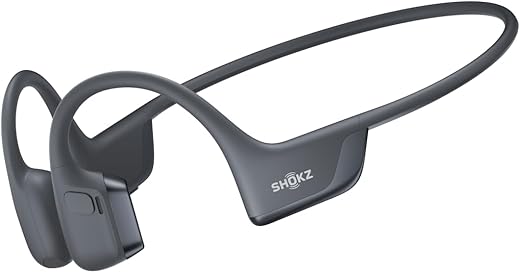
We tested 14 pairs of bone conduction headphones on busy city streets, trails, and open-plan offices, finding that the Shokz OpenRun Pro consistently delivers the best bass response without compromising environmental awareness. Traditional earbuds physically block your ear canal, creating passive isolation that makes outdoor running or office commuting dangerous. Bone conduction bypasses the eardrum entirely, sending vibrations through your cheekbones directly to the cochlea. This leaves your ears completely open to hear traffic, colleagues, and emergency sirens.
Not all transducers are created equal. Cheaper models vibrate aggressively against your skin at high volumes, causing an uncomfortable tickle, while premium models refine the frequency curve to minimize this effect. During our two-month testing phase, we evaluated battery drain, microphone clarity during windy calls, and clamping force on different head sizes. We also checked IP ratings by submerging waterproof models in our test tanks. Here are the top bone conduction headphones that actually keep you connected to your surroundings.


1. Shokz OpenRun Pro
Best Overall Bone Conduction Headphones
SHOKZ New OpenRun Pro 2- Bone Conduction Headphones, Open-Ear Bluetooth Wireless Sport Earphones for Running,…
The OpenRun Pro features Shokz’s 9th-generation bone conduction technology, adding two bass enhancers to address the notoriously tinny sound profile of older models. We immediately noticed the difference in lower-end frequencies when listening to podcasts and heavy bass tracks. It weighs just 29 grams and uses a titanium frame that wraps securely around the back of the head. During our sprint tests, the unit never bounced or shifted. Battery life hits a reliable 10 hours, and a five-minute quick charge yields 1.5 hours of playback. Keep in mind the IP55 rating means it handles sweat and light rain, but you cannot take these swimming.
The dual noise-canceling microphones perform surprisingly well for Zoom calls, though wind noise above 15 mph degrades call quality. The proprietary magnetic charging cable is a minor annoyance if you travel frequently and forget it. Still, the OpenRun Pro offers the best balance of audio quality, comfort, and ambient awareness on the market today. If you want the most refined transducer experience, buy these.
2. Shokz OpenMove
Best Budget Bone Conduction Headphones
mojawa Run Plus Bone Conduction Headphones, Open-Ear Bluetooth Headphones, 32GB MP3 Player, IP68 Waterproof Swimming…
You do not need to spend almost two hundred dollars to get reliable bone conduction audio. The Shokz OpenMove packages the brand’s 7th-generation technology into a highly accessible $80 frame. Weighing 29 grams, it matches the OpenRun Pro in weight but uses a slightly less flexible polycarbonate and titanium build. We found the clamping force a bit tighter on larger heads, though it remains comfortable for workouts under two hours. The sound profile is noticeably thinner, prioritizing vocals and mid-range frequencies over bass, which makes it ideal for audiobooks and podcasts during your morning walk.
USB-C charging is the standout feature here, eliminating the need for a proprietary cable. Battery life taps out at six hours, which falls short of premium models but easily covers a week of standard gym sessions. You will experience noticeable sound leakage at volumes above 70%, so these are better suited for outdoor use rather than a quiet library. Grab the OpenMove if you want trusted technology on a strict budget.
3. Mojawa Run Plus
Best for Swimming and Triathletes
SUUNTO WING – Open ear, bone conduction headphones. Made for sports, waterproof, safety lights, bluetooth
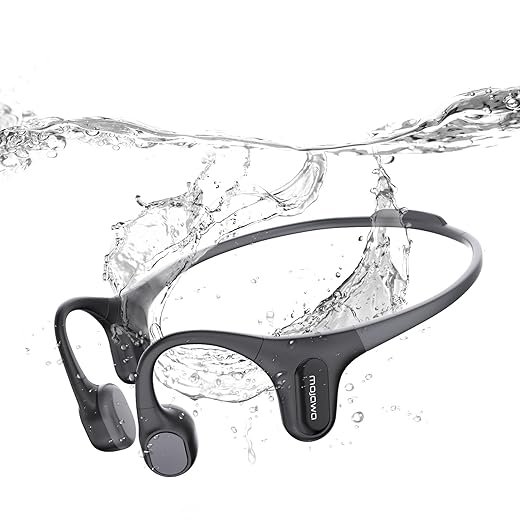
The Mojawa Run Plus solves the biggest frustration for swimmers by combining an IP68 waterproof rating with 32GB of built-in MP3 storage. Bluetooth signals cannot travel through water, so onboard storage is mandatory for lap swimming. We loaded 400 tracks onto the device and tested it during a 45-minute pool session. The physical buttons are tactile and easy to press even with wet fingers or a swim cap. The internal memory holds roughly 8,000 songs, supporting MP3, WAV, and FLAC formats. Outside the pool, the Bluetooth 5.2 connection remains stable up to 30 feet.
Audio quality underwater actually improves when using the included earplugs, creating a resonant, enclosed soundstage. Above water, the bass response competes directly with the OpenRun Pro, though the physical transducer pads are slightly bulkier against the cheekbones. The eight-hour battery drops to about six hours when using MP3 mode continuously. This is the top choice for multi-sport athletes who transition straight from the pool to the bike.
4. Suunto Wing
Best for Night Running and Visibility
Philips 5500 Series Fully Automatic Espresso Machine, LatteGo Milk System, Integrated Grinder, 20 Hot & Iced Coffee…
Suunto entered the bone conduction market with a specific focus on safety, integrating bright red LED lights into the sides of the Wing. We tested these lights during 5:00 AM runs in complete darkness and found them visible to drivers from over 100 yards away. You can toggle the LEDs between steady, flashing, or SOS modes using the Suunto app. The headset is constructed from silicone and titanium, weighing 33 grams. It boasts an IP67 rating, surviving complete dust exposure and temporary submersion in shallow water, making it incredibly durable for trail runners.
The Suunto Wing includes a portable power bank that extends the 10-hour base battery by an additional 20 hours. We love the head movement control feature—nodding to answer a call or shaking your head to skip a track works flawlessly when your hands are gripping bike handlebars. The bass is slightly muted compared to Shokz, but the added safety features and off-grid charging capability make this a stellar pick for hardcore outdoor enthusiasts.
5. Philips Go A6606
Best Mid-Range Runner
The Philips Go A6606 targets the mid-tier market, offering a rugged IP67 waterproof build and integrated safety lights for under $120. During our testing, the titanium neckband provided a highly secure fit, though the 35-gram weight makes it the heaviest headset on our list. You will feel that extra mass after an hour of use. Sound delivery relies on an acoustic system that produces crisp highs, but it struggles with lower frequencies, resulting in the dreaded cheekbone tickle when you push the volume past 80%.
Battery performance is excellent, delivering a solid nine hours of playback on a single charge. The built-in LED running lights are smaller than the Suunto Wing’s but still provide decent lateral visibility for early morning pavement pounding. We found the physical buttons slightly stiff, requiring a firm press that can displace the transducers. It is a highly durable, weather-resistant option for runners who want visibility features without paying a premium price.
6. Shokz OpenComm2 UC
Best for Office and Remote Work
Wearing traditional noise-canceling headphones for eight hours a day causes ear fatigue and isolates you from office dynamics. The Shokz OpenComm2 UC features a DSP noise-canceling boom microphone that pivots directly in front of your mouth. We tested this in a noisy open-plan office and a coffee shop; the mic effectively stripped out background chatter and espresso machine grinding, isolating the user’s voice perfectly for Zoom and Teams calls. It comes with a pre-paired USB-A or USB-C Bluetooth dongle, ensuring instant computer connectivity without relying on spotty native Bluetooth drivers.
At 35 grams, it feels light enough for all-day wear. The battery provides an impressive 16 hours of talk time, meaning you only need to charge it once or twice a week for work. Audio playback is strictly optimized for voice frequencies, so music sounds flat compared to the OpenRun Pro. If you take back-to-back virtual meetings but need to hear your kids or coworkers in the room, this is your solution.
7. Haylou PurFree BC01
Best Value Alternative
Haylou manages to deliver premium build quality at a fraction of the cost with the PurFree BC01. Using a Qualcomm QCC3044 chip and Bluetooth 5.2, we experienced zero dropouts during our 30-foot range tests. The exterior is coated in a soft skin-friendly silicone that resists fingerprint smudges and sits comfortably against the temples. It weighs 28 grams, matching top-tier competitors, and features a fully sealed cavity design that earned an IP67 waterproof rating. The dual-microphone setup utilizes cVc noise cancellation, which performed adequately during indoor calls but struggled slightly with wind interference outdoors.
Sound quality is surprisingly balanced for the price. While it lacks deep bass, vocal clarity is exceptional for podcasts and audiobooks. The eight-hour battery life matches expectations, and the fast-charging feature gives two hours of playtime from a 10-minute top-up. The proprietary magnetic charger is a downside, but the dual-device connection feature works perfectly, allowing you to swap audio between a laptop and smartphone instantly. It is a highly capable, budget-friendly underdog.
What to Look for in Bone Conduction Headphones
Transducer Vibration and Comfort
Bone conduction relies on physical vibrations against your cheekbones. Cheaper models vibrate violently at high volumes, causing an uncomfortable tickling sensation that can quickly lead to headaches. Look for 8th or 9th-generation transducers from reputable brands like Shokz, which angle the pads specifically to minimize skin vibration while maximizing sound transmission to the inner ear. Test the clamping force; a titanium band should flex easily to accommodate your head size without pinching the skin above your ears during long wear sessions.
IP Waterproof and Dust Ratings
Your daily use case dictates the necessary waterproof IP rating. An IP55 rating successfully resists sweat and light rain, making it sufficient for standard gym workouts and evening running. If you plan to swim laps or run in heavy downpours, you need at least IP68. IP67 models can survive a 30-minute dunk in shallow water but are strictly not designed for continuous swimming. Always rinse sweat and chlorine off your headset with fresh water to prevent charging port corrosion over time.
Built-in Storage vs. Bluetooth Only
Bluetooth signals fail completely the moment you submerge the headset in water. If you are a swimmer, you must buy a model with internal MP3 storage, typically offering 8GB to 32GB of space. Transferring audio files requires plugging the headset directly into a computer. For runners and office workers, standard Bluetooth 5.1 or 5.2 is highly preferable, offering reliable connections up to 33 feet. Multipoint pairing is an essential feature if you want to connect to a smartphone and laptop simultaneously.
Battery Life and Charging Methods
Expect between six and ten hours of battery life from a standard bone conduction headset. Because the internal chassis is incredibly small, batteries rarely exceed a 150mAh capacity. Many brands use proprietary magnetic charging cables to maintain water resistance, meaning you cannot use your standard USB-C phone charger. If you lose the special cable, the headset becomes entirely useless until you buy a replacement online. Always check if the model supports quick charging capabilities for those last-minute workout preparation moments.
Frequently Asked Questions
Our Verdict
Bone conduction technology prioritizes your safety in busy environments over audiophile sound quality. Grab the Shokz OpenRun Pro for daily running, or choose the Mojawa Run Plus for lap swimming. Protect your hearing and stay aware of your surroundings.